
Mega-dose supplements not recommended across the board pending further research.
New research links low blood levels of vitamin D with a higher number of brain lesions and signs of more active disease in people with multiple sclerosis (MS), suggesting vitamin D status may be related to the risk of future disability from this autoimmune condition. While the association is strong, researchers stress that evidence is not yet sufficient to recommend high-dose vitamin D supplements for all MS patients.
The study was led by Ellen M. Mowry, M.D., M.C.R., an assistant professor of neurology at Johns Hopkins University School of Medicine and the principal investigator of a multicenter clinical trial examining vitamin D supplementation in MS. Much of the work was conducted while Dr. Mowry was at the University of California, San Francisco. The findings, based on blood measurements and magnetic resonance imaging (MRI), were published in the August issue of Annals of Neurology.
The researchers found a clear pattern: higher vitamin D levels in the blood corresponded with fewer new lesions on brain MRI and fewer areas of active disease that light up with contrast dye. Specifically, for every 10 nanograms per milliliter increase in vitamin D, the risk of developing new MRI lesions dropped by about 15 percent, and the risk of active, contrast-enhancing disease decreased by roughly 32 percent. Higher vitamin D was also linked to lower disability in the period that followed.
MS occurs when the immune system mistakenly attacks myelin, the fatty protein that insulates nerve fibers in the brain and spinal cord. Damage to myelin disrupts the transmission of electrical signals that control movement, speech and other essential functions. On MRI scans, this inflammatory damage appears as lesions—areas of altered signal that often look like white spots. In some cases contrast dye highlights regions of active inflammation, indicating disease that may need immediate treatment to prevent permanent nerve injury.
The study drew on data gathered from 469 people with MS over five years, beginning in 2004. Each year participants had blood tests and brain MRIs to document new lesions and areas of active disease. The relationship between vitamin D and MRI activity held even after accounting for known influences on MS course such as smoking status, current MS therapies, age and sex.
These results reinforce earlier reports tying low vitamin D to higher relapse risk in MS, but they improve on prior work by relying on MRI-detected disease activity rather than only patient-reported relapses. Imaging provides a more objective and sensitive measure of inflammatory disease.
Despite the observational strength of this work, Dr. Mowry cautions that correlation does not prove causation. “Even though lower vitamin D levels are associated with more inflammation and lesions in the brain, there is no proof that taking vitamin D supplements will prevent those problems,” she says. To determine if supplementing vitamin D is both beneficial and safe for people with MS, randomized clinical trials are needed. That is the purpose of the ongoing trial Dr. Mowry is leading.
Some people with MS already take vitamin D on their own after earlier studies received media attention. However, the appropriate dose, the long-term safety of high-dose vitamin D, and whether vitamin D can prevent MS in the first place remain unanswered questions. “Vitamin D is available over the counter, but it functions as a hormone,” Dr. Mowry notes. “Like any medication, it should be rigorously tested before routine use is recommended. People with MS should discuss the potential benefits and risks with their clinicians before beginning supplementation.”
Notes about this Multiple Sclerosis research
The research received funding from the National Institutes of Health’s National Institute of Neurological Disorders and Stroke (grants K23NS067055 and RO1NS062885), as well as support from GlaxoSmithKline and Biogen Idec.
Contact: Stephanie Desmon – Johns Hopkins Medicine
Source: Johns Hopkins Medicine press release
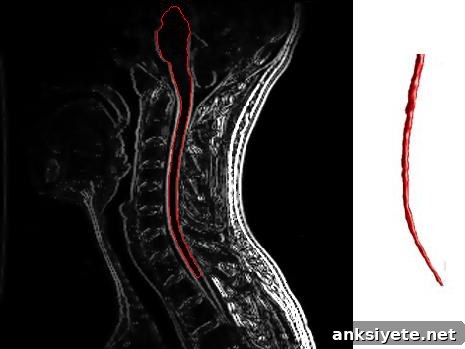
Image Source: Multiple Sclerosis image is in the public domain.
Original Research: Abstract for “Vitamin D status predicts new brain magnetic resonance imaging activity in multiple sclerosis” by Ellen M. Mowry et al., published in Annals of Neurology (Volume 72, Issue 2, Pages 234–240).