
Zika Virus Shows Promise as a Targeted Therapy for Glioblastoma Stem Cells
Summary: A new study published in the Journal of Experimental Medicine finds that a mouse-adapted strain of Zika virus can preferentially infect glioblastoma stem cells, slow tumor growth, and extend survival in mouse models of glioblastoma.
Source: Rockefeller University Press.
Overview
Recent Zika outbreaks highlighted the virus’s ability to attack neural stem and progenitor cells, causing severe developmental brain defects in fetuses. Researchers at Washington University School of Medicine in St. Louis, the University of California, San Diego, and collaborating institutions have explored whether that same cell-targeting feature could be redirected to treat glioblastoma, an aggressive and often fatal form of brain cancer.
Glioblastoma (GBM) is the most common primary malignant brain tumor in adults and carries a poor prognosis: most patients die within two years of diagnosis. A major challenge in treating GBM is the existence of glioblastoma stem cells (GSCs), a subpopulation of tumor cells that self-renew, resist conventional therapies, evade immune detection, and drive tumor recurrence after surgery. Eliminating these stem-like cells is widely considered essential to achieve long-lasting remission.
“It is so frustrating to treat a patient as aggressively as we know how, only to see his or her tumor recur a few months later. We wondered whether nature could provide a weapon to target the cells most likely responsible for this return,” says Milan Chheda of Washington University School of Medicine in St. Louis.
Study approach and key findings
The research team tested whether Zika virus could act as an oncolytic agent—an infection that selectively kills cancer cells—against glioblastoma. Their hypothesis was based on Zika’s known preference for neural precursor cells during fetal development. Laboratory experiments used patient-derived glioblastoma cells, organoid models, and mouse models of aggressive glioma.
Major findings included:
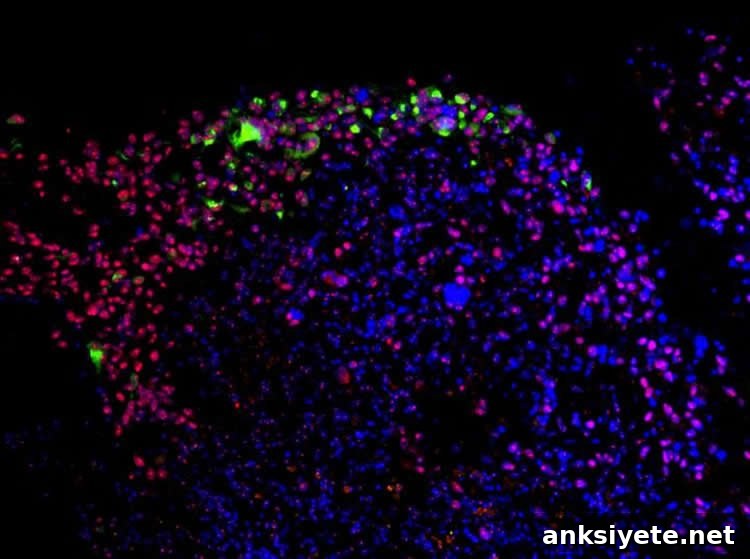
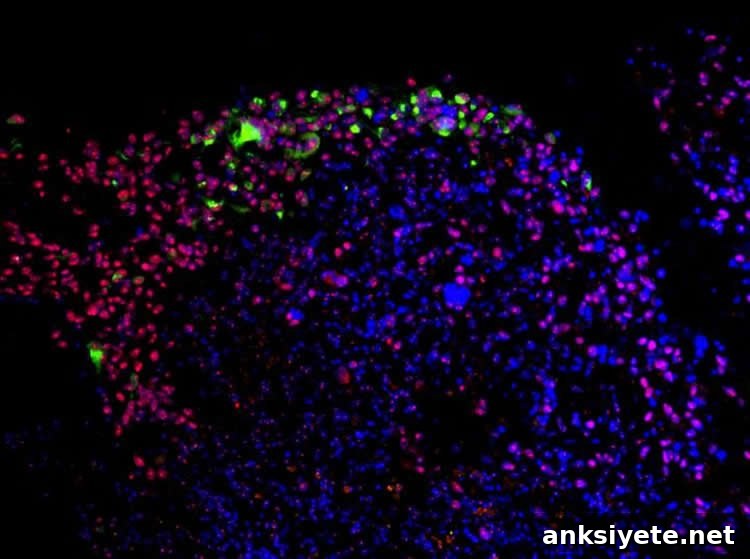
- Zika virus preferentially infected and killed glioblastoma stem cells compared with more differentiated tumor cells and normal neural cells.
- In organoid cultures and patient-derived GSCs, Zika caused pronounced depletion of the stem cell population.
- Mice bearing aggressive gliomas that were inoculated with a mouse-adapted Zika strain exhibited slower tumor growth and significantly extended survival.
- An attenuated (less virulent) Zika strain that is more sensitive to immune control retained the ability to target GSCs and showed enhanced anti-tumor activity when combined with the chemotherapy drug temozolomide, which alone has limited efficacy against these stem-like tumor cells.
“We hypothesized that the preference of Zika virus for neural precursor cells could be leveraged against glioblastoma stem cells,” says Michael Diamond, co-director of the study. The collaborative effort brought together complementary expertise from three research groups to explore a novel therapeutic strategy for a deadly cancer.
Safety considerations and next steps
While these results are encouraging, the authors emphasize that translating this approach toward clinical use will require careful safety optimization. Zika infection in adults is generally less damaging than in fetuses, but public health concerns remain. The team suggests that genetically modified or attenuated Zika strains that preserve oncolytic activity while minimizing neurovirulence and the potential for uncontrolled spread will be needed. Preclinical testing must evaluate the risk of viral dissemination, reversion to virulence, and interaction with the immune system before any human trials can be considered.
“Our study is a first step towards the development of safe and effective strains of Zika virus that could become important tools in neuro-oncology and the treatment of glioblastoma,” says Michael Diamond. Jeremy Rich adds that combining an attenuated viral approach with existing chemotherapies could improve outcomes while keeping toxicity acceptable for adult patients.
Funding: This work was supported by the National Institutes of Health, the Elsa U. Pardee Foundation, the Concern Foundation, the Cancer Research Foundation, and the McDonnell Center for Cellular and Molecular Neurobiology at Washington University.
Research citation: Zhe Zhu, Matthew J. Gorman, Lisa D. McKenzie, Jiani N. Chai, Christopher G. Hubert, Briana C. Prager, Estefania Fernandez, Justin M. Richner, Rong Zhang, Chao Shan, Xiuxing Wang, Pei-Yong Shi, Michael S. Diamond, Jeremy N. Rich, and Milan G. Chheda. “Zika virus has oncolytic activity against glioblastoma stem cells.” Journal of Experimental Medicine. Published online September 5, 2017. doi:10.1084/jem.20171093
These findings are preclinical and were demonstrated in cell cultures, organoid models, and mouse experiments. They suggest that Zika-based oncolytic strategies could complement existing treatments for glioblastoma by targeting the resistant stem cell population that commonly drives recurrence. However, clinical translation will depend on rigorous safety testing, careful strain design, and controlled trials to confirm efficacy and minimize risks.