
Summary: Remnants of the Lyme disease bacterium Borrelia burgdorferi may drive the persistent neuroinflammation observed in some patients after antibiotic treatment. New findings from Tulane University show that non-viable bacterial fragments provoke stronger inflammatory responses in nervous tissue than live bacteria.
Source: Tulane University
Many patients continue to experience debilitating symptoms after standard antibiotic therapy for Lyme disease, including cognitive difficulties, pain, and other neurological complaints. Brain imaging in these patients often reveals ongoing neuroinflammation, but the underlying cause has been uncertain.
Researchers at Tulane University report evidence that remnants of Borrelia burgdorferi—the spirochetal bacterium that causes Lyme disease—can provoke substantial inflammation in both central and peripheral nervous system tissues. In experiments using nonhuman primate tissue, the team found that sonicated, non-viable bacterial fragments triggered markedly higher levels of inflammatory markers than exposure to intact, live bacteria.
The study, published in Scientific Reports, was led by Geetha Parthasarathy, Ph.D., assistant professor of immunology at the Tulane National Primate Research Center. Her group examined how bacterial remnants affected primary tissue explants from the frontal cortex and dorsal root ganglion (DRG) of rhesus macaques, analyzing a broad panel of inflammatory mediators and assessing cellular responses.
Across multiple tissue samples, non-viable B. burgdorferi induced significantly elevated concentrations of cytokines and chemokines—often several-fold higher than those triggered by live bacteria. This increase was particularly pronounced for IL-6, CXCL8 (also called IL-8), and CCL2 (MCP-1). The frontal cortex showed a stronger inflammatory response overall than the DRG. In addition to heightened inflammatory signaling, the bacterial remnants produced notable apoptosis: neuronal cell death was observed in frontal cortex samples, while apoptosis in the DRG was largely confined to S100-positive glial cells.
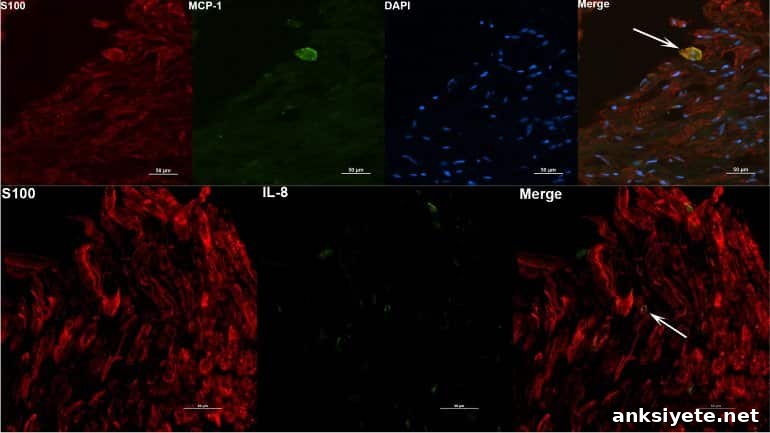
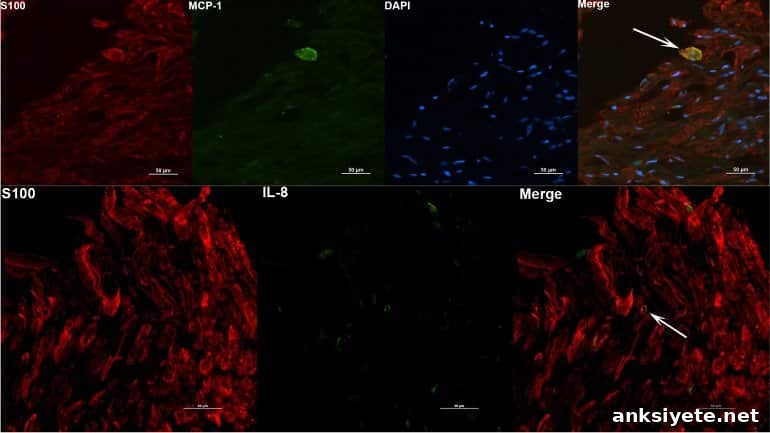
Immunohistochemical analysis showed multiple inflammatory mediators localized to astrocytes first, followed by microglia and oligodendrocytes in the frontal cortex. Endothelial cells also exhibited staining for inflammatory markers. In the DRG, chemokine and cytokine staining was predominantly observed in glial (S100-positive) cells, indicating cell-type–specific responses to bacterial fragments.
“Because neuroinflammation underlies many neurological conditions, persistent inflammation driven by unresolved bacterial fragments could have lasting consequences,” Parthasarathy said. The researchers emphasize that even when antibiotics eliminate viable bacteria, leftover bacterial components may remain in tissues and continue to activate immune pathways if the host fails to clear them efficiently.
The findings offer a plausible explanation for symptoms experienced by some people with Post-Treatment Lyme Disease Syndrome (PTLDS) and other forms of persistent or chronic Lyme-related illness. They suggest that remnant-induced inflammation in the brain and peripheral nerves could sustain pain, cognitive dysfunction, and other neurological deficits long after the active infection has resolved.
Parthasarathy and colleagues plan follow-up studies to investigate the mechanisms that prevent clearance of bacterial fragments and to test targeted anti-inflammatory interventions that might alleviate antibiotic-resistant neuroinflammation. Their work highlights the importance of distinguishing live infection from persistent inflammatory stimuli when evaluating ongoing symptoms in Lyme disease patients.
About this neurology research news
Author: Leslie Tate
Source: Tulane University
Contact: Leslie Tate – Tulane University
Image: The image is credited to the researchers
Original Research: Open access.
“Neuropathogenicity of non-viable Borrelia burgdorferi ex vivo” by Geetha Parthasarathy et al. Scientific Reports
Abstract
Neuropathogenicity of non-viable Borrelia burgdorferi ex vivo
A subset of patients treated for Lyme disease continue to experience a spectrum of symptoms known collectively as Post-Treatment Lyme Disease Syndrome (PTLDS). Positron emission tomography (PET) scans in some of these patients indicate persistent glial activation and neuroinflammatory processes despite antibiotic therapy. One hypothesis is that unresolved bacterial remnants maintain inflammatory signaling within nervous tissues.
In prior work, the research team showed that non-viable B. burgdorferi caused neuroinflammation and apoptosis in an oligodendrocyte cell line. Building on those results, this study evaluated the effects of sonicated B. burgdorferi fragments on primary rhesus frontal cortex (FC) and dorsal root ganglion (DRG) explants. Five FC and three DRG tissue fragments were exposed to sonicated bacteria and assayed for 26 inflammatory mediators. Live bacteria and culture medium served as positive and negative controls, respectively.
Non-viable B. burgdorferi induced significant production of multiple inflammatory mediators in both FC and DRG explants, often at levels several-fold higher than those triggered by live bacteria—particularly IL-6, CXCL8, and CCL2. The frontal cortex showed a more robust overall response than the DRG, although both tissue types produced overlapping sets of mediators. Immunohistochemistry revealed that astrocytes, microglia, oligodendrocytes, and endothelial cells contributed to the inflammatory profile in FC, while S100-positive glial cells were the predominant source of chemokines and cytokines in the DRG.
Sonicated bacterial remnants also produced significant apoptosis: in the DRG, cell death was restricted to glial cells, while in the frontal cortex distinct neuronal apoptosis was observed in most samples. The study concludes that non-viable B. burgdorferi fragments can remain neuropathogenic to both central and peripheral nervous system tissues, with potentially greater impact in the CNS. Persisting remnant-driven inflammation may therefore contribute to long-term neurological consequences following Lyme disease.