
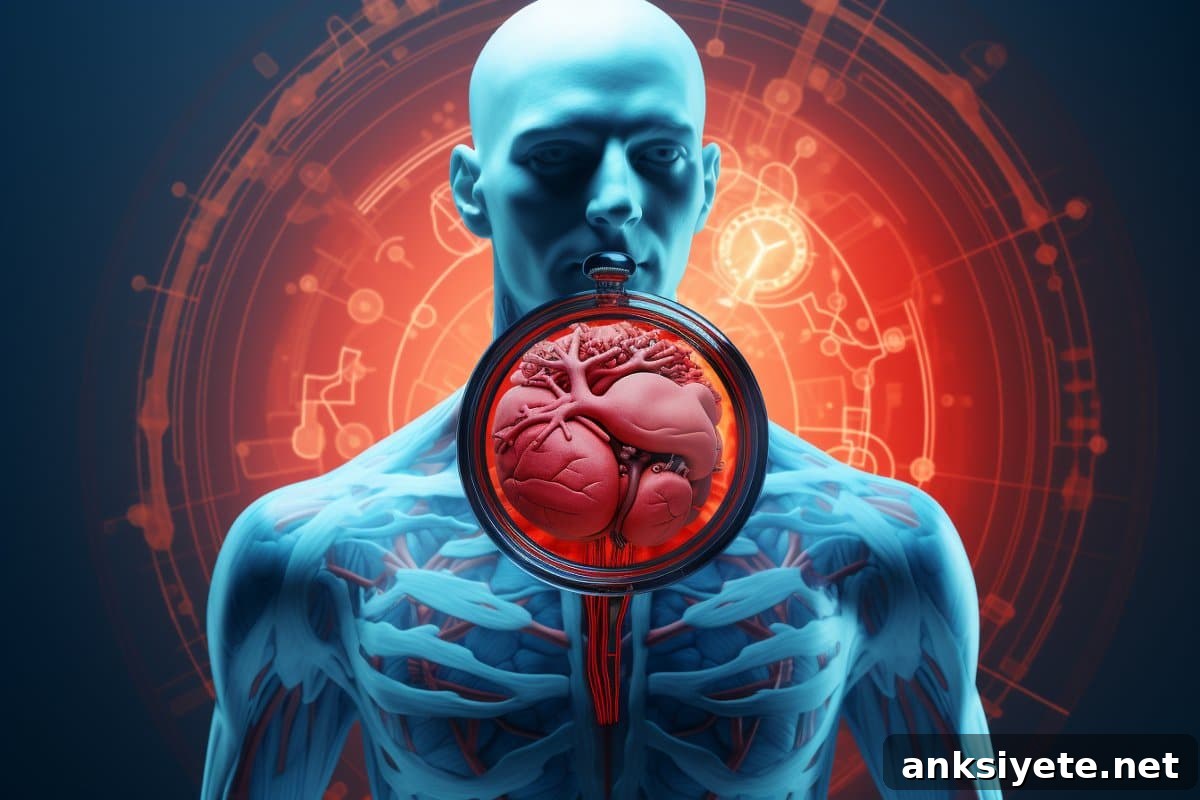
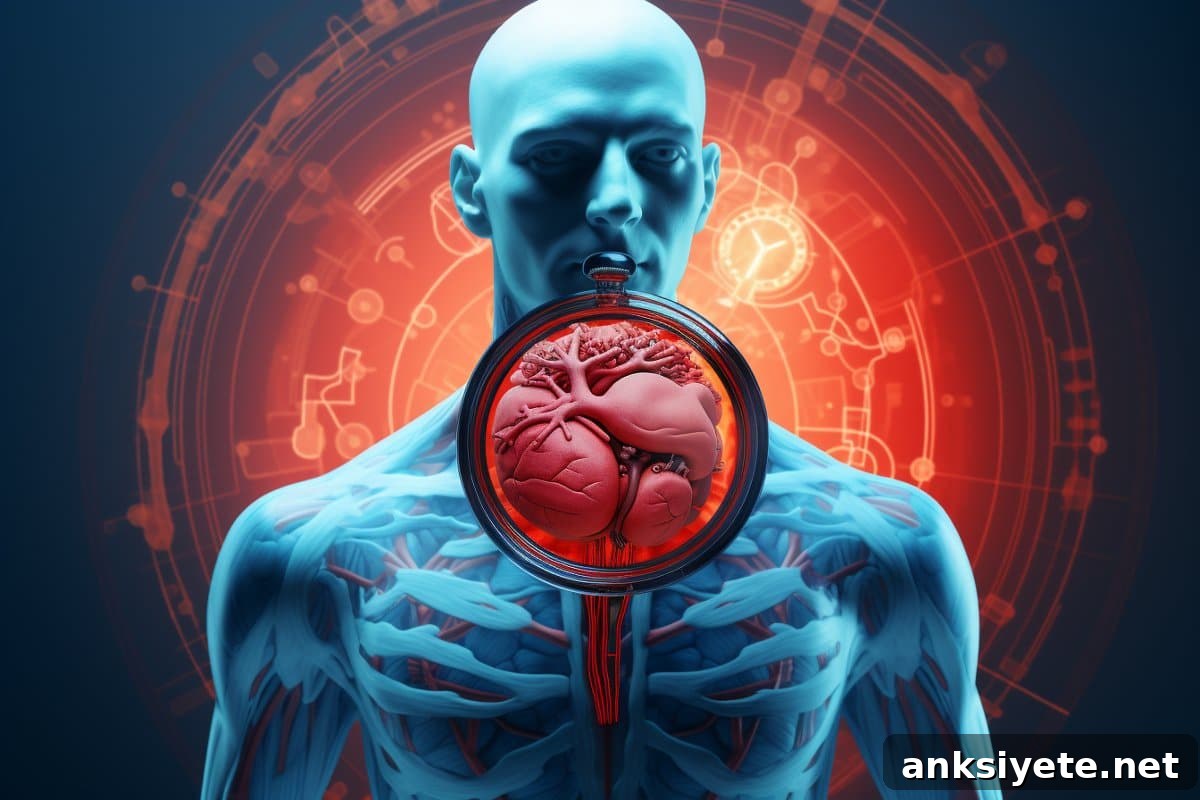
Summary: Immune cells in the protective layers surrounding the brain appear to play a key role in the cognitive decline associated with chronic high blood pressure. New research funded by the National Institutes of Health identifies how meningeal immune signaling—particularly IL-17 produced by T cells—activates brain macrophages and impairs cognition, pointing to potential therapeutic targets to protect brain health in hypertension.
Hypertension affects more than one billion people worldwide. This study shows that abnormal activation of immune cells in and around the brain contributes to impaired cognitive function, even in the absence of stroke. Understanding how immune signaling, blood pressure, and brain function interact may reveal new strategies to prevent or slow cognitive decline linked to high blood pressure.
Key Facts:
- High blood pressure can harm cognitive function independently of stroke.
- Hypertension causes abnormal activation of immune cells in the brain and meninges, which contributes to cognitive decline.
- Targeting overactive meningeal T cells or brain macrophage IL-17 signaling may offer a new treatment approach to protect cognition.
Source: NIH
A study supported by the National Institutes of Health suggests that immune responses within the membranes that surround the brain—the meninges—help drive the cognitive decline seen in chronic hypertension.
Published in Nature Neuroscience and funded by the National Institute of Neurological Disorders and Stroke (NINDS), the study used a mouse model of salt-sensitive hypertension to trace how immune molecules move from the meninges into the brain and disrupt normal brain function. The work was led by Costantino Iadecola, M.D., director and chair of the Feil Family Brain and Mind Research Institute in New York City.
“The role of immune signaling in cognitive decline is critically important to understand,” said Roderick Corriveau, Ph.D., program director at NINDS. “These findings offer insight into how signaling from the immune system could contribute to symptoms of cognitive decline that ultimately result in dementia diagnoses.”
The researchers found elevated interleukin-17 (IL-17) in the cerebrospinal fluid and brain of hypertensive mice. IL-17 is a cytokine that normally helps activate immune defenses. Prior work from the same group had shown that a high-salt diet increases IL-17 production in the gut and leads to cognitive impairment; the current study demonstrates that IL-17 produced in the meninges also plays a direct role in the brain.
This study used the DOCA-salt mouse model, which simulates low-renin hypertension—a common form of high blood pressure in people and particularly prevalent in certain populations. According to Dr. Iadecola, the DOCA model is currently one of the most realistic experimental tools for studying this form of hypertension.
The investigators showed that IL-17 released in the dura mater activates border-associated macrophages (BAMs) in the brain. Activated macrophages triggered neuroinflammatory responses and disrupted neurovascular signaling. Crucially, mice engineered to lack the IL-17 receptor specifically in brain macrophages, and mice in which brain macrophages were depleted, did not develop hypertension-related cognitive impairment—despite still exhibiting elevated blood pressure and other signs of hypertension.
The team also explored sources of the IL-17 that acts on brain macrophages. While circulating IL-17 and angiotensin signaling in the brain were considered, blocking those pathways did not fully explain the cognitive deficits. Instead, experiments revealed that meningeal T cells increase IL-17 production during hypertension. In hypertensive mice the normally tight barriers within the meninges became disrupted, allowing IL-17 to enter the cerebrospinal fluid and reach brain-resident immune cells.
Two independent interventions strengthened this conclusion: preventing T cell migration from lymph nodes into the meninges and blocking meningeal T cell activity. Both approaches restored cognitive performance in hypertensive mice, indicating that meningeal T cells are a promising therapeutic target to protect cognition without necessarily lowering blood pressure directly.
Dr. Iadecola summarized the findings: “Our data suggest two distinct effects of hypertension. One is IL-17 acting on blood vessels, which appears to be relatively minor. A more prominent, central effect is meningeal cells releasing IL-17 that directly activates brain immune cells. Those activated macrophages then impair brain function and lead to cognitive decline.”
The research team is now working to clarify exactly how activation of meningeal immune cells translates into changes in neural circuits and behavior. Prior studies by this group linked high-salt diets to reduced nitric oxide production in brain blood vessels and accumulation of tau protein—an Alzheimer’s-related pathology. The current study also observed decreased nitric oxide production in brain vessels and is investigating whether this contributes to tau accumulation.
Public health efforts such as NINDS’s Mind Your Risks campaign highlight the connection between hypertension and brain health, emphasizing prevention and risk reduction for stroke and dementia across populations.
Funding: This study was funded by NINDS (NS089323, NS095441, NS123507), the Leon Levy Fellowship in Neuroscience, and the Feil Family Foundation.
About this neurology research news
Author: Carl Wonders
Source: NIH
Contact: Carl Wonders – NIH
Image: The image is credited to Neuroscience News
Original Research: Closed access. “Meningeal IL-17 producing T cells mediate cognitive impairment in salt-sensitive hypertension” by Santisteban MM et al., Nature Neuroscience.
Abstract
Meningeal IL-17 producing T cells mediate cognitive impairment in salt-sensitive hypertension
Hypertension (HTN), a disease affecting over one billion people worldwide, is a major driver of cognitive impairment, but the mechanisms remain incompletely understood. In a mouse model of HTN, neurovascular and cognitive dysfunction depend on interleukin (IL)-17, a cytokine known to be elevated in people with hypertension.
Neither circulating IL-17 nor brain angiotensin signaling fully accounts for the observed dysfunction. Instead, IL-17 produced by T cells in the dura mater is released into the cerebrospinal fluid, where it activates IL-17 receptors on border-associated macrophages (BAMs). Depleting BAMs, deleting IL-17 receptor A in brain macrophages, or suppressing meningeal T cells rescues cognitive function without changing blood pressure elevation, circulating IL-17 levels, or brain angiotensin signaling. These data reveal a central role for meningeal T cells and macrophage IL-17 signaling in the neurovascular and cognitive impairments seen in this mouse model of hypertension.