
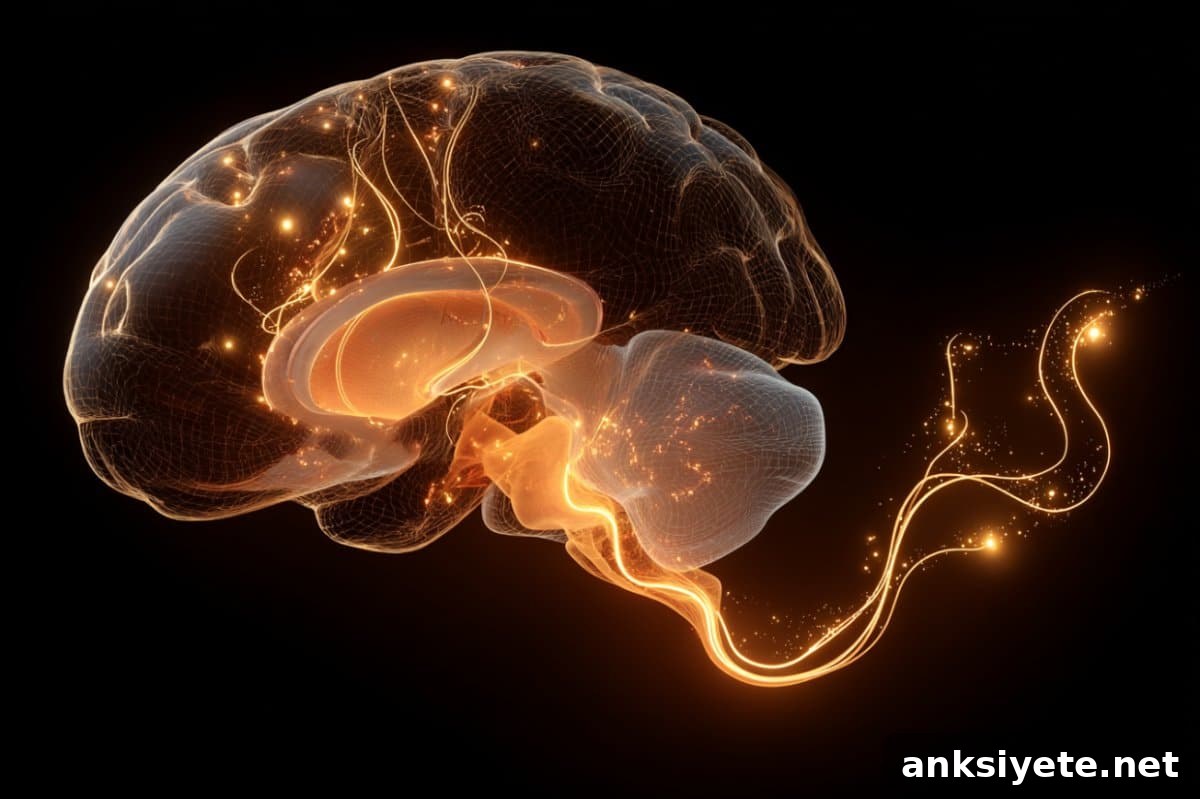
Summary: Researchers recorded neural activity directly from the hippocampus and the insula in human participants to investigate how these regions interact while encoding emotionally charged words. Sixteen individuals with implanted electrodes viewed words with positive or negative valence and later attempted to recall them, allowing investigators to link single-neuron and population dynamics to memory performance.
The study identified distinct populations of insular neurons: one set whose activity patterns predicted whether a word would be successfully remembered, and another set that signaled emotional valence regardless of memory outcome. The memory-predictive insular activity reliably followed hippocampal theta-band events but preceded high-frequency hippocampal ripple bursts associated with memory consolidation, indicating a temporally precise exchange between the two structures.
- Predictive insular activity: Specific neurons in the insula exhibited changes in firing patterns and aperiodic activity during encoding that forecasted later recall success.
- Timing of interactions: Insular memory signals emerged after hippocampal theta rhythms and before hippocampal ripple events, suggesting a narrow time window for cross-structure coordination.
- Asymmetric communication: Electrical stimulation showed that activating memory-related insular sites produced rapid responses in the ipsilateral hippocampus, while stimulating the hippocampus led to slower, more diffuse effects across insular sites.
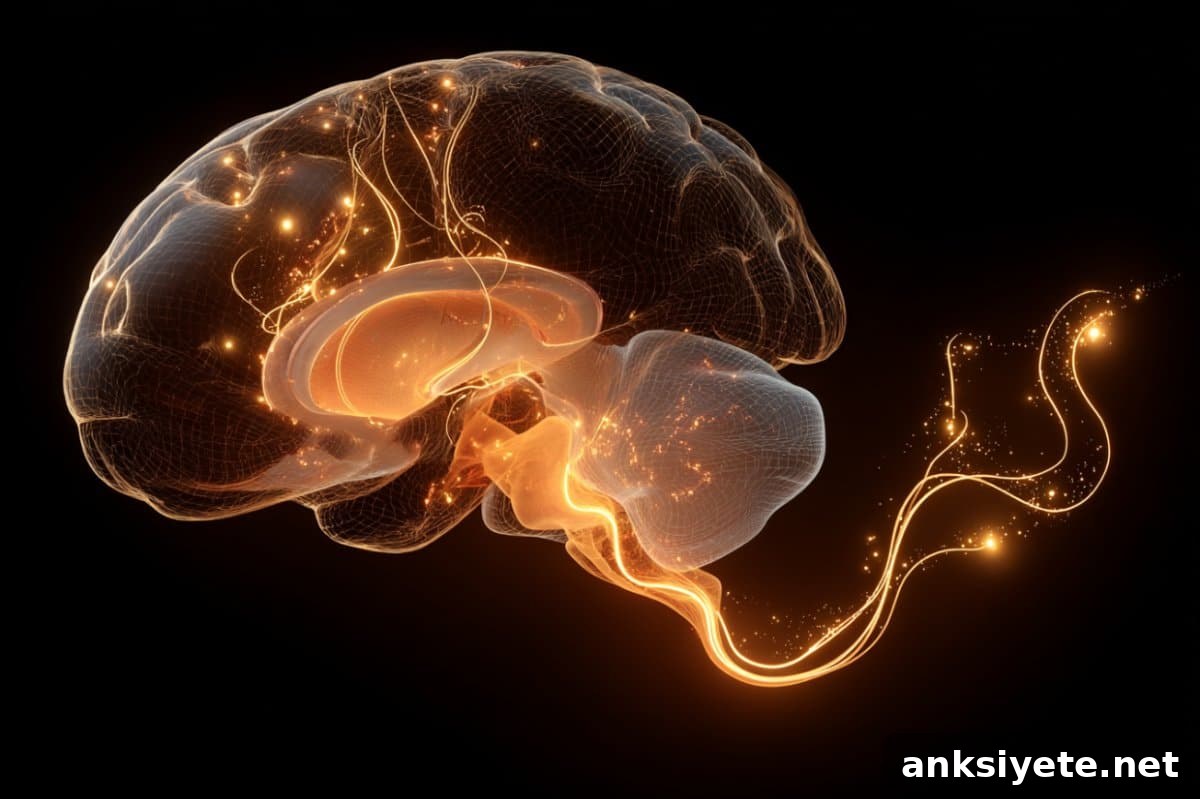
By combining behavioral measures with intracranial recordings from 217 insular sites and 131 hippocampal sites, the investigators could resolve how neuronal ensembles in a cortical hub like the insula participate in episodic encoding alongside the hippocampus. The memory-related insular signals were distinct from the valence-related responses, indicating that the insula supports at least two separable functions during emotional memory tasks: evaluating emotional content and contributing to memory formation.
The observed temporal sequence—hippocampal theta first, insular memory signals next, and hippocampal ripples later—points to a coordinated cascade in which the hippocampus and insula interact over short timescales. This mesoscale choreography may reflect the insula integrating emotional and contextual information and relaying or modulating inputs that the hippocampus then consolidates during ripple events.
Electrical stimulation experiments provided causal evidence for directed interactions. Stimulating insular sites linked to memory reliably evoked early responses in the hippocampus on the same side of the brain, whereas stimulating valence-related insular sites did not produce the same hippocampal effect. In contrast, hippocampal stimulation generated slower, variable signals across insular recordings, revealing an asymmetry in how these regions influence each other.
Together, these results emphasize the insula’s dual contribution: certain neuronal subpopulations are tuned to emotional valence while others are engaged in encoding processes that predict which experiences will be retained. The asymmetry identified by stimulation suggests the hippocampus may integrate inputs from specialized cortical populations and then broadcast or consolidate information via ripples, consistent with models of episodic memory formation that require coordinated activity across distributed brain networks.
Understanding the precise timing and directionality of hippocampo-insular interactions advances our knowledge of how emotional significance is bound to episodic memories. Because emotionally charged events are often more vividly remembered, clarifying the circuits and sequences responsible for that effect helps explain why emotional memories are durable and sometimes intrusive.
These insights also have potential clinical relevance: mapping how specific cortical populations and the hippocampus interact could inform interventions for disorders in which emotional memory processing is disrupted, such as post-traumatic stress disorder or certain mood disorders. Future research building on these intracranial observations may help translate circuit-level findings into targeted therapies or stimulation strategies.
About this memory and neuroscience research news
Author: Neuroscience News Communications
Source: Neuroscience News
Contact: Neuroscience News Communications – Neuroscience News
Image: The image is credited to Neuroscience News
Original Research: Closed access.
“Direct interactions between the human insula and hippocampus during memory encoding” by Weichen Huang et al., Nature Neuroscience. DOI: 10.1038/s41593-025-02005-1
Abstract
Direct interactions between the human insula and hippocampus during memory encoding
The hippocampus is essential for forming episodic memories, but how it coordinates with cortical regions during encoding is not fully understood. This intracranial study involved 16 participants implanted with electrodes in the insula (217 sites) and hippocampus (131 sites) who viewed emotionally valenced words and attempted recall. A subset of insular neuronal populations showed changes in aperiodic activity during encoding that predicted later recall; these changes followed hippocampal theta events and preceded hippocampal ripples. Another subset of insular sites tracked word valence independently of memory performance. Direct electrical stimulation of memory-related insular sites produced early responses in the ipsilateral hippocampus, whereas stimulation of valence-related sites did not. Conversely, hippocampal stimulation elicited slow, heterogeneous signals across insular sites, indicating asymmetric communication between the two structures. These findings reveal mesoscale interactions between the hippocampus and functionally selective neuronal populations within the insula during emotional memory encoding.