
Summary: A new study uncovers how two Pumilio genes, PUM1 and PUM2, control the production of new neurons in the dentate gyrus and how their loss reproduces features of Fragile X Syndrome in mice.
Source: Yale.
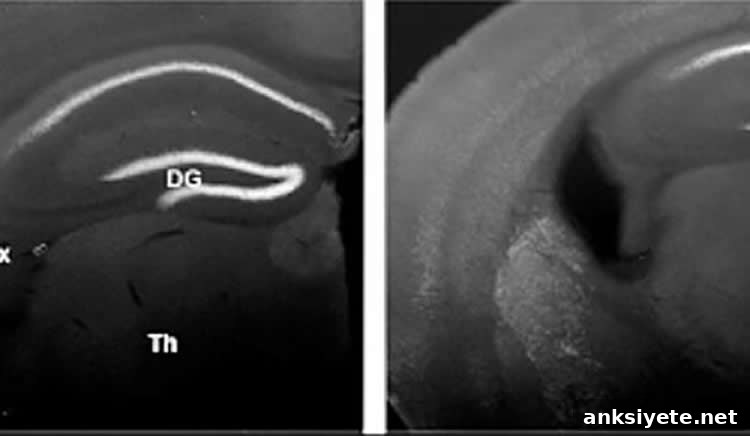
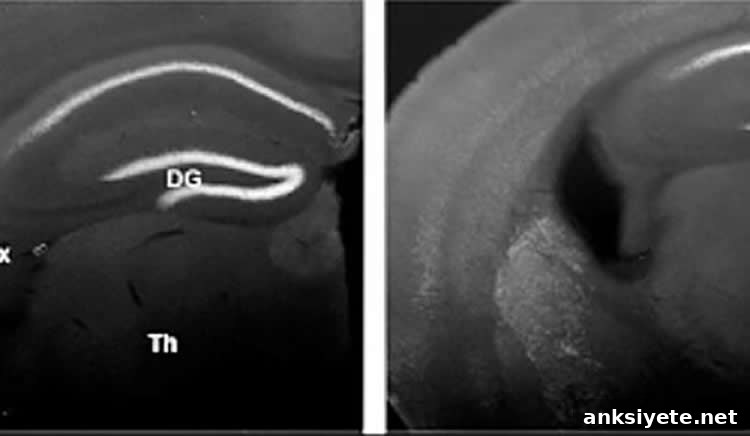
Researchers at Yale report that two genes, PUM1 and PUM2, act as critical post-transcriptional regulators that support the generation of new neurons in the adult brain. When both genes are inactivated in mice, the dentate gyrus — a hippocampal region essential for learning and memory — shows severe reductions in neural stem cells and the animals display behaviors and pathology similar to Fragile X Syndrome.
Most neurons in mammals are produced before birth, and the adult brain generates relatively few new neurons. This study identifies PUM1 and PUM2 as central players in adult hippocampal neurogenesis. In mice lacking these Pumilio proteins, the population of neural stem cells (NSCs) in the dentate gyrus is dramatically reduced, the region becomes markedly smaller, and affected animals show deficits in spatial navigation and memory tasks.
Haifan Lin, Eugene Higgins Professor of Cell Biology and director of the Yale Stem Cell Center, emphasizes that the Pumilio proteins regulate an under-studied stage of gene expression: the fate of already-transcribed RNA transcripts and whether they are translated into protein. This post-transcriptional control has broad consequences for neural development and function.
Meng Zhang, a graduate student in the Lin laboratory, is the study’s lead author. The research team examined how PUM1 and PUM2 influence hippocampal neurogenesis, cell survival, and behavior in mice. Their experiments combined genetic inactivation, neural stem cell cultures, and molecular profiling to reveal the cellular and molecular consequences of removing Pumilio function from the nervous system.
Key findings:
- PUM1 and PUM2 are required for normal numbers of neural stem cells in the postnatal dentate gyrus. Double inactivation led to a significantly smaller dentate gyrus with far fewer NSCs.
- Loss of Pumilio proteins caused increased perinatal apoptosis and altered the cellular composition of the dentate gyrus, affecting proliferation, survival, and neuronal differentiation.
- Mutant mice showed impaired learning and memory, consistent with the anatomical and cellular defects observed in the hippocampus.
- Biochemical experiments showed that PUM1 and PUM2 bind thousands of mRNAs, with hundreds of shared targets across neurogenic pathways. Rather than changing mRNA abundance, PUM1 and PUM2 predominantly repress translation of these targets, leading to increased protein levels when the Pumilio proteins are absent.
- Pumilio proteins interact with fragile X mental retardation protein (FMRP) in an RNA-dependent manner and also bind each other’s mRNAs, suggesting they act within a broader post-transcriptional regulatory network that influences neurogenesis and brain function.
Methods overview
The researchers used neural-specific genetic knockouts to remove Pum1 and Pum2 in mice, combined with neurosphere cultures to assess NSC proliferation, survival, and differentiation ex vivo. Cross-linking immunoprecipitation and RNA-binding analyses mapped the mRNA targets of PUM1 and PUM2, revealing extensive binding across transcripts involved in neurogenic signaling. Protein and mRNA measurements showed that target mRNA levels were largely unchanged while corresponding proteins increased without Pumilio regulation, indicating translational control as the primary mechanism.
The study, titled “Post-transcriptional regulation of mouse neurogenesis by Pumilio proteins,” was authored by Meng Zhang, Dong Chen, Jing Xia, Wenqi Han, Xiekui Cui, Nils Neuenkirchen, Gretchen Hermes, Nenad Sestan, and Haifan Lin, and was published in the journal Genes & Development (online August 10, 2017). DOI: 10.1101/gad.298752.117. Image credit noted by the researchers.
These findings highlight the importance of post-transcriptional regulation in adult neurogenesis and identify PUM1 and PUM2 as essential modulators of hippocampal stem cell maintenance and function. The observed interaction between Pumilio proteins and FMRP links Pumilio-mediated translational control to pathways implicated in Fragile X Syndrome, offering new insights into molecular mechanisms that could underlie cognitive impairments and suggesting potential avenues for future research into therapeutic strategies.
Lead author: Meng Zhang (Lin laboratory). Source: Yale University. Image credit: study researchers.