
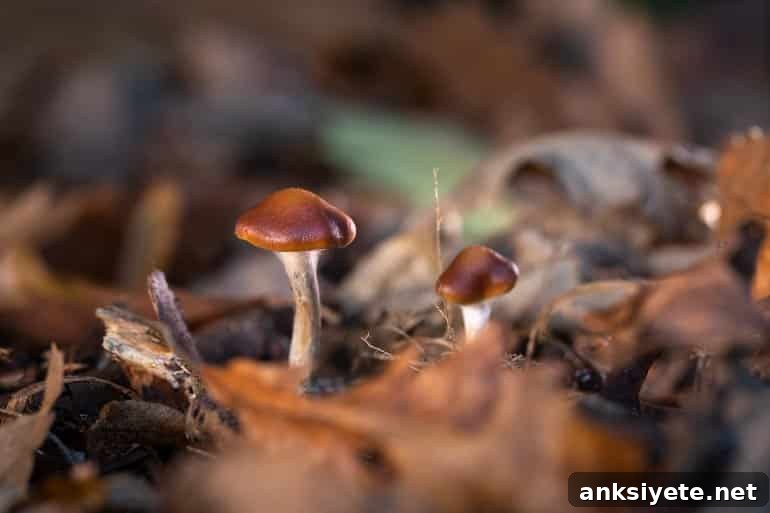
Summary: Researchers report that psilocybin—the active compound in so‑called “magic mushrooms”—showed comparable antidepressant effects to a commonly prescribed selective serotonin reuptake inhibitor (escitalopram) in a controlled clinical trial. Although the primary statistical comparison did not reach conventional significance, participants receiving psilocybin experienced faster and larger reductions in depressive symptoms, and higher rates of remission and response at six weeks.
Source: Imperial College London
Psilocybin therapy may offer an effective alternative to standard antidepressants when delivered in a clinical setting.
A randomized, double‑blind phase 2 trial conducted by the Centre for Psychedelic Research at Imperial College London directly compared psilocybin therapy with the selective serotonin reuptake inhibitor (SSRI) escitalopram in people with moderate‑to‑severe depression. This study is the most rigorous head‑to‑head trial to date assessing a classic psychedelic compound against an established antidepressant.
Fifty‑nine participants were randomized to receive either two high doses of psilocybin (25 mg each, three weeks apart) plus six weeks of daily placebo, or two very low, inactive psilocybin doses (1 mg) plus six weeks of daily escitalopram (titrated from 10 mg to 20 mg per day). All participants received the same level of psychological support before, during and after dosing sessions, including guided therapeutic accompaniment and a curated music playlist during sessions.
Primary outcomes were measured at six weeks using the Quick Inventory of Depressive Symptomatology–Self‑Report (QIDS‑SR‑16). Both groups improved, but the psilocybin group showed larger average reductions in depressive symptoms (mean reduction of 8.0 points from a baseline mean of 14.5) compared with the escitalopram group (mean reduction of 6.0 points from a baseline mean of 16.4). The between‑group difference for the primary outcome was 2.0 points (95% CI, −5.0 to 0.9; P = 0.17), which did not reach conventional statistical significance.
Secondary measures generally favored psilocybin. Response—defined as a ≥50% reduction in QIDS‑SR‑16 score—was observed in 70% of the psilocybin group versus 48% in the escitalopram group. Remission, defined as a QIDS‑SR‑16 score of 0–5 at week six, occurred in 57% of participants receiving psilocybin compared with 28% receiving escitalopram. Other secondary outcomes, including reduced anxiety, lower suicidal ideation and improved ability to experience pleasure and express emotions, also tended to favor psilocybin therapy.
GROWING EVIDENCE
The trial used a carefully controlled clinical protocol and a regulated, pharmaceutical formulation of psilocybin (COMP360). Participants in the psilocybin arm received active therapeutic sessions in a specialist setting and daily placebo capsules between sessions; those in the escitalopram arm received escitalopram tablets and non‑active psilocybin during dosing sessions. The trial design ensured equivalent psychological support across study arms.
Investigators emphasize that the absence of a pure placebo comparison and the modest sample size limit definitive conclusions about the comparative efficacy of either treatment. The study population was predominantly white, majority male and relatively well educated, which also constrains how broadly the findings can be generalized.
ENCOURAGING FINDINGS
Adverse events were similar overall between groups, but the types of side effects differed. The psilocybin group reported fewer instances of dry mouth, drowsiness, sexual dysfunction and anxiety relative to the escitalopram group. The most commonly reported psilocybin‑related side effect was a headache the day after a dosing session. All participants received therapist support, and study staff managed challenging emotional experiences as part of the therapeutic protocol.
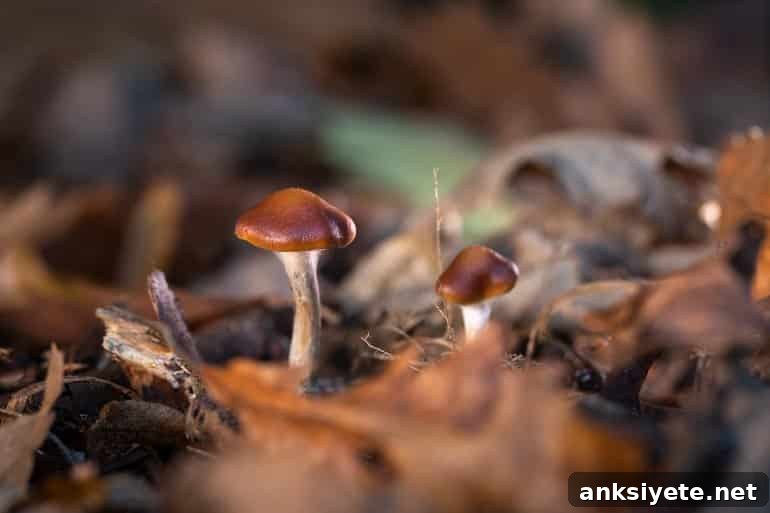
Lead investigators noted that psilocybin produced faster improvements in depressive symptoms and appeared well tolerated within the controlled therapeutic environment. They stressed that larger, longer trials are needed to confirm whether psilocybin can match or exceed the effectiveness of established antidepressants and to evaluate longer‑term outcomes and safety.
URGING CAUTION
The research team cautioned strongly against self‑medication with magic mushrooms or unregulated psilocybin products. The positive outcomes reported here were achieved under strict clinical oversight, a standardized pharmaceutical formulation, and structured psychological support—conditions that cannot be assumed in recreational or unsupervised use. Researchers reiterated that psilocybin therapy should remain confined to carefully controlled clinical trials until more evidence and regulatory approvals are in place.
Dr. Robin Carhart‑Harris, who designed and led the study, and other co‑investigators expressed gratitude for philanthropic and institutional support that enabled the trial, and encouraged both clinicians and the public to review the full trial data and appendices for detailed results.
Funding: The study was funded by the Alexander Mosley Charitable Trust and founders of the Centre for Psychedelic Research. Infrastructure support was provided by the NIHR Imperial Biomedical Research Centre and NIHR Imperial Clinical Research Facility.
- The QIDS‑SR‑16 is a standardized 16‑item self‑report questionnaire used to quantify depressive symptom severity.
About this psychopharmacology research news
Source: Imperial College London
Contact: Ryan O’Hare – Imperial College London
Image: Imperial College London / Thomas Angus
Original Research: Trial reported in the New England Journal of Medicine, “Trial of Psilocybin versus Escitalopram for Depression” by Robin Carhart‑Harris et al. (Closed access). Clinical trial registration number: NCT03429075.
Abstract
Trial of Psilocybin versus Escitalopram for Depression
BACKGROUND
Psilocybin has shown antidepressant potential in early studies, but direct randomized comparisons with established antidepressants have been limited.
METHODS
In a phase 2, double‑blind randomized controlled trial of adults with moderate‑to‑severe major depressive disorder, participants were assigned 1:1 to receive two 25 mg doses of psilocybin three weeks apart plus six weeks of daily placebo, or two 1 mg psilocybin doses plus six weeks of daily escitalopram. All participants received standardized psychological support. The primary outcome was change in QIDS‑SR‑16 score at week six; secondary outcomes included response (≥50% reduction) and remission (score ≤5) on the QIDS‑SR‑16.
RESULTS
Fifty‑nine participants were randomized (30 to psilocybin, 29 to escitalopram). Baseline mean QIDS‑SR‑16 scores were 14.5 (psilocybin) and 16.4 (escitalopram). Mean changes at six weeks were −8.0±1.0 points for the psilocybin group and −6.0±1.0 points for the escitalopram group (between‑group difference 2.0 points; 95% CI, −5.0 to 0.9; P = 0.17). Response rates were 70% versus 48%; remission rates were 57% versus 28% in favor of psilocybin. Secondary outcomes generally favored psilocybin, but these analyses were not adjusted for multiple comparisons. Adverse event rates were similar between groups.
CONCLUSIONS
At six weeks, this trial did not demonstrate a statistically significant difference in the primary outcome between psilocybin therapy and escitalopram in this selected sample. Secondary outcomes tended to favor psilocybin, yet the limited sample size and lack of correction for multiple comparisons require cautious interpretation. Larger and longer trials are necessary to determine whether psilocybin can be recommended as an alternative to established antidepressants. (Funded by the Alexander Mosley Charitable Trust and Imperial College London’s Centre for Psychedelic Research; ClinicalTrials.gov number NCT03429075.)