
Scientists have long blamed sugar’s sweet taste and high calorie content for undermining diets. A new study from Yale University, however, shows that the brain processes taste and calories in distinct ways, and that only the calorie-driven response reliably predicts why people often abandon diet goals.
The research, published Jan. 25, 2016 in the journal Nature Neuroscience, indicates that it is the brain’s drive for calories—not sweetness itself—that primarily motivates consumption of sugary foods.
“The brain contains two separate sets of neurons that process sweetness and energy,” said Ivan de Araujo of the John B. Pierce Laboratory, senior author of the study. “When confronted with a choice between a pleasant taste that provides no energy and an unpleasant taste that does provide energy, the brain chooses energy.”
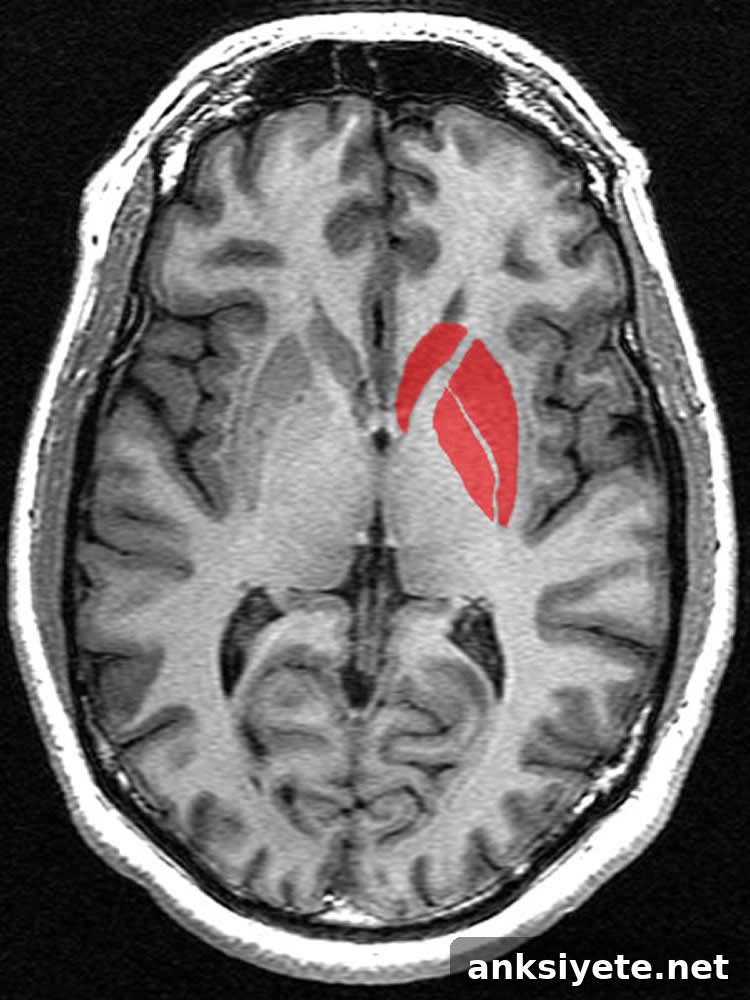
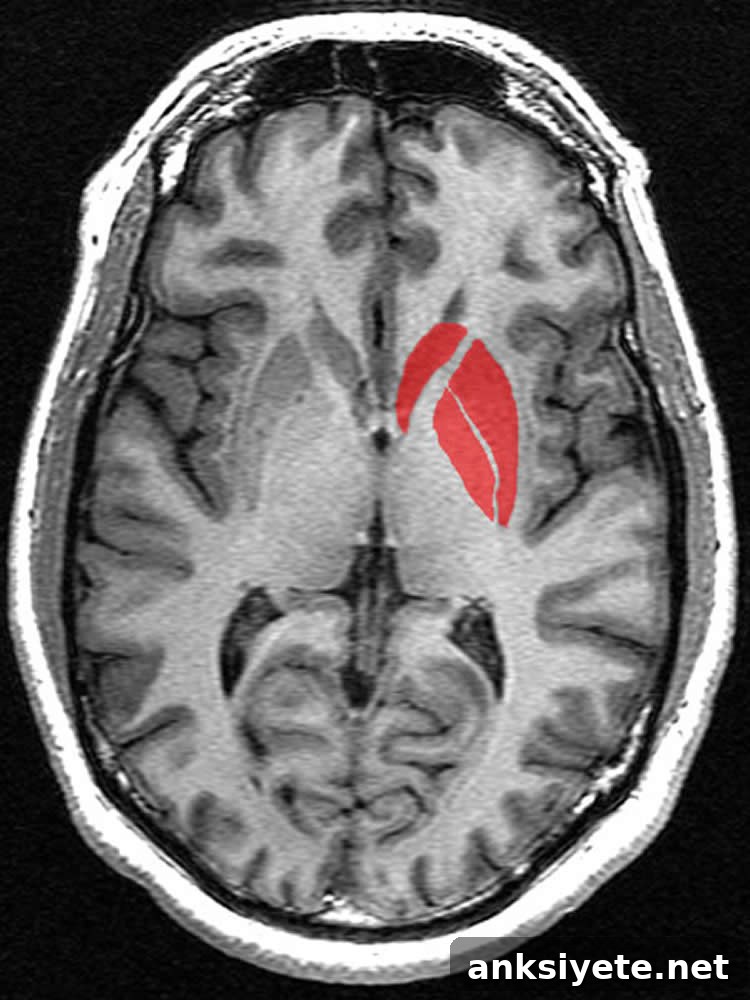
The study focused on the striatum, a deep brain region strongly involved in reward processing and decision-making. While humans and other mammals enjoy sweet flavors in part because they historically signaled high-energy foods, the Yale team demonstrated that taste and calorie signals are routed to distinct parts of the striatum. Sweetness-related signals were found in the ventral striatum, while signals conveying nutrient and energy information were represented in the dorsal striatum. Crucially, dorsal striatal neurons continued to respond to caloric value even when the calories were paired with an aversive taste.
To determine which signal has greater influence over eating behavior, the researchers presented mice with two kinds of sugar solutions: one that tasted sweet but contained no usable calories, and another that delivered calories but was deliberately altered to taste unpleasant. In these direct-choice tests, the mice preferred the calorie-containing sugar despite its bad taste. Further, when the researchers selectively activated dorsal-striatum neurons using an optogenetic technique—an approach that uses light to control genetically targeted neurons—the animals increased their intake of even the bad-tasting, calorie-rich sugar.
“These results show that circuitry responsive to sugar is hardwired to prioritize calorie seeking over taste quality,” de Araujo explained. In other words, the brain’s reward system appears biased toward securing energy, a likely evolutionary adaptation to ensure sufficient fuel for large, metabolically demanding brains.
Understanding this neural separation between taste and caloric evaluation has practical implications. If the drive for calories overrides taste under many conditions, interventions that target the brain’s calorie-sensing pathways may be a more effective way to reduce excessive sugar consumption than approaches that focus solely on altering flavor or sweetness. The authors suggest that therapies or behavioral strategies designed to modulate dorsal striatal activity, or to reduce the perceived value of calories, could complement traditional dietary advice.
While the experiments were conducted in mice and the authors caution that further research is needed to map how these mechanisms translate to humans, the findings provide a clearer framework for why so many New Year’s diet resolutions fail when calorie-rich treats are available. The study emphasizes that the temptation to consume sugar is not only about pleasurable taste; it is also about the brain’s deep-rooted prioritization of energy acquisition.
Funding: Luis Tellez of Yale is lead author of the paper. The National Institutes of Health funded the research.
Source: Bill Hathaway – Yale
Image Source: The image is in the public domain
Original Research: The research appears in Nature Neuroscience (week of January 25, 2016).