
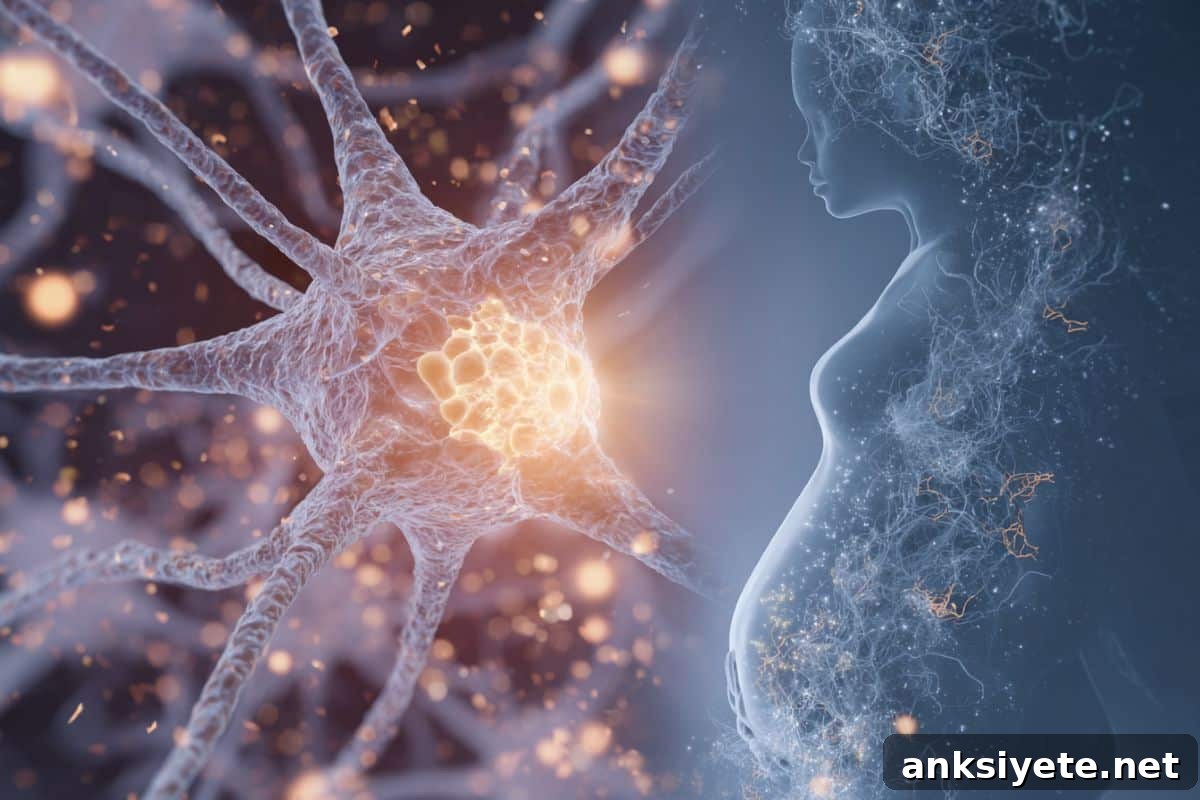
Summary: Researchers at Texas A&M report that two forms of estrogen—estradiol and estriol—can reduce spinal cord inflammation and protect nerve fibers in a virus-based model of progressive multiple sclerosis (MS). Both hormones lowered inflammation, while estradiol provided stronger preservation of the myelin sheath that insulates axons. These results mirror the symptom relief many women with MS experience during pregnancy, when estrogen levels are naturally elevated, and point to potential new hormone-based approaches for treating progressive MS.
Progressive MS affects a substantial portion of the roughly one million people in the United States diagnosed with MS; about 100,000 have a progressive form characterized by continuous worsening or steady decline after intermittent relapses. Progressive disease is particularly challenging because it leads to accumulating disability, has fewer effective treatment options than relapsing forms, and often causes pronounced mobility, balance, and cognitive impairments.
Key Findings:
- Hormonal protection: Elevated estrogen levels, similar to those seen in pregnancy, are associated with reduced inflammation and improved clinical outcomes in a mouse model of progressive MS.
- Estradiol advantage: Both estriol and estradiol lowered spinal cord inflammation in the study, but estradiol more effectively protected the myelin sheath from demyelination.
- Therapeutic potential: These observations support further exploration of estrogen-based therapies as complementary strategies to slow or alleviate progressive MS symptoms.
Source: Texas A&M
Multiple sclerosis is an autoimmune neurodegenerative disease in which the immune system targets the myelin sheath—the insulating layer around nerve axons—disrupting electrical signaling and causing a wide range of neurological symptoms. MS is more prevalent in women and tends to emerge more often in older adults and in certain geographic regions. The progressive form of MS frequently results in pronounced gait and balance problems, along with fatigue, sensory disturbances, bladder and bowel dysfunction, and cognitive decline. Epidemiological data also indicate higher prevalence and worse outcomes in some racial and ethnic groups, including Black patients.
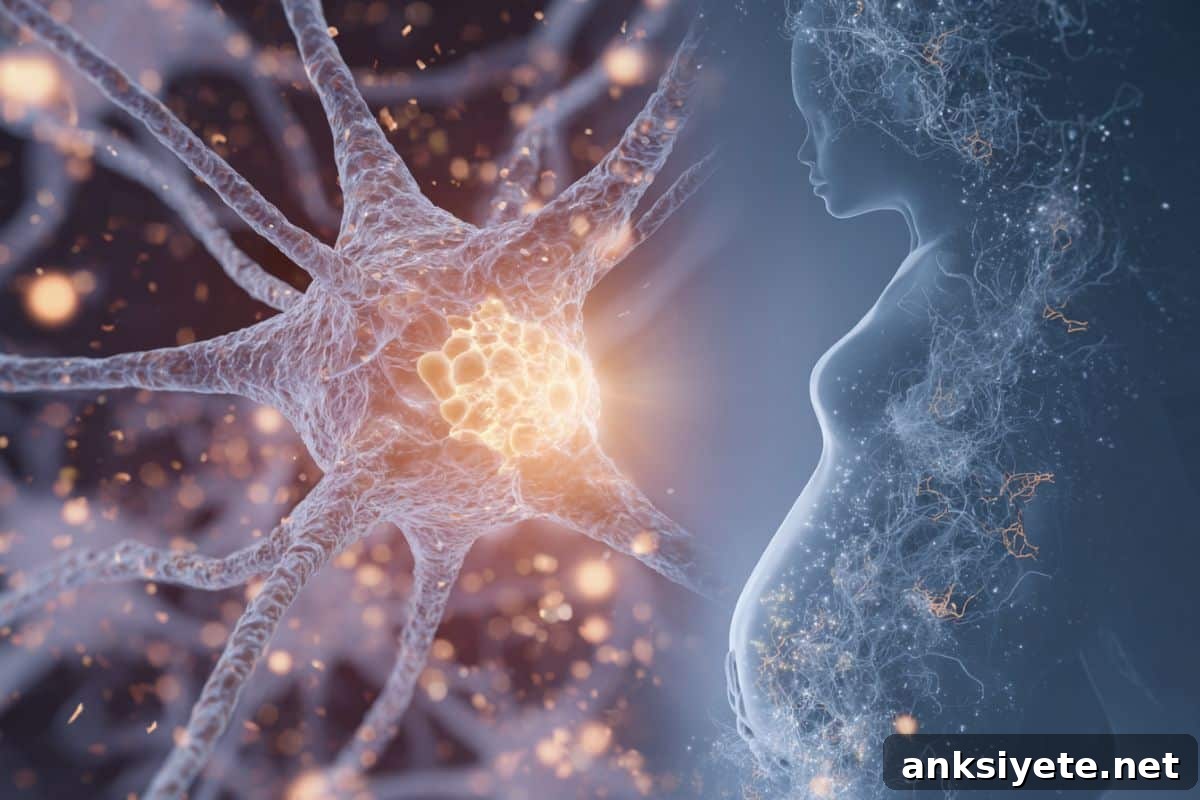
The Texas A&M research team, including neurologist Francisco P. Gomez and neuroimmunologists Jane Welsh and Candice Brinkmeyer-Langford, used a viral mouse model to mimic chronic progressive MS. Theiler’s murine encephalomyelitis virus (TMEV) produces an inflammatory demyelinating disease in mice that resembles chronic progressive MS in humans. The investigators selected this model because recent human studies implicate Epstein-Barr virus infection as a trigger for autoimmune responses that can lead to MS, making virus-based models especially relevant for testing candidate therapies.
In the preclinical study, female SJL/J mice were infected with TMEV or given sham inoculation. During the chronic phase of disease, the researchers removed the animals’ ovaries and implanted slow-release pellets containing either vehicle (placebo), estriol, or estradiol. Clinical scores were monitored weekly to assess neurological function over time.
Both estriol and estradiol treatment groups showed improved clinical outcomes compared with placebo, with estradiol-treated mice demonstrating the most consistent improvement. At study end, histological analysis of spinal cords revealed that both hormones significantly reduced inflammatory cell infiltration, while estradiol uniquely and significantly reduced the extent of demyelination. Serum antibody levels against TMEV were also altered by both virus infection and hormone treatment, indicating effects on the immune response.
Estradiol is a more potent estrogen commonly used in human hormone replacement therapy, while estriol is less potent and has been used off-label in varied contexts. Neither hormone is currently established as an approved therapy for MS, but these preclinical results strengthen the rationale for further investigation into estrogenic compounds as adjunctive or disease-modifying options for progressive MS.
Key Questions Answered:
A: Clinical observations show that many women with MS experience remission during pregnancy, particularly in the third trimester when estradiol and estriol levels peak, suggesting estrogen may protect the brain and spinal cord.
A: In a virus-induced mouse model of progressive MS, both estriol and estradiol reduced spinal cord inflammation; estradiol additionally provided stronger protection against myelin loss.
A: By demonstrating that specific estrogens protect nerve fibers from inflammatory damage, the research supports the development of hormone-based strategies to complement existing therapies for progressive MS.
About this multiple sclerosis research news
Author: Darren Benson
Source: Texas A&M
Contact: Darren Benson – Texas A&M
Image: Image credited to Neuroscience News
Original Research: Open access. “Therapeutic effects of estrogens on inflammatory demyelination in a mouse model of multiple sclerosis” by Francisco P. Gomez et al., Journal of Neuroimmunology.
Abstract
Therapeutic effects of estrogens on inflammatory demyelination in a mouse model of multiple sclerosis
Multiple sclerosis is an autoimmune neurodegenerative condition in which immune cells attack the myelin sheath surrounding nerve axons, producing a range of neurological deficits. Clinical observations linking pregnancy and oral contraceptive use to fewer relapses and reduced symptoms have implicated sex hormones as potential modulators of disease. In this study, researchers investigated the roles of estradiol and estriol in a virus-induced model of progressive MS.
Using Theiler’s murine encephalomyelitis virus (TMEV) to induce chronic inflammatory demyelination in mice, investigators administered delayed hormone treatment via slow-release pellets after ovariectomy during the chronic disease phase. Weekly clinical assessments showed that estradiol treatment correlated with better functional scores across the disease course, and both estradiol and estriol groups outperformed placebo. End-point analyses at 24 weeks demonstrated that both estrogens significantly reduced spinal cord inflammation, while estradiol uniquely and significantly reduced demyelination. Antibody responses to the virus were affected by both infection and hormone treatment.
These results support the idea that specific estrogens may offer therapeutic benefit for progressive MS by limiting inflammation and preserving myelin, warranting further research toward safe and effective hormone-based interventions for people living with progressive multiple sclerosis.