Summary: Dietary cocoa flavanols—naturally occurring compounds in cocoa beans—may modestly improve certain aspects of memory in older adults, according to a recent randomized clinical trial.
Source: Alzheimer’s Research UK
Clinical trial overview
A controlled clinical trial led by researchers at Columbia University and New York University investigated whether a 12-week dietary supplement containing cocoa flavanols could affect cognition in healthy adults aged 50–75. The trial, published on 15 February in Scientific Reports, enrolled 211 participants and measured cognitive performance before and after the intervention. A subset of participants also underwent MRI scans to assess blood flow in specific regions of the brain.
Study design and interventions
Participants were randomly assigned to one of four groups and received daily capsules containing:
- Placebo (0 mg flavanols)
- Low dose (260 mg/day)
- Medium dose (510 mg/day)
- High dose (770 mg/day)
Key findings
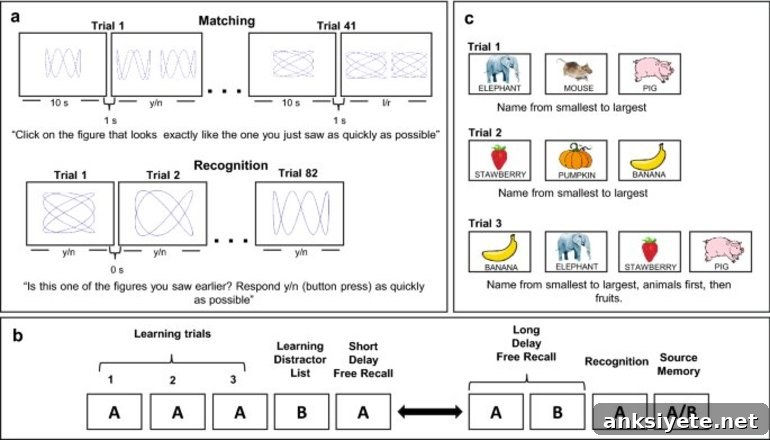
After 12 weeks, the trial found a specific improvement in a hippocampal-dependent list-learning task among participants taking the highest dose of cocoa flavanols compared with placebo. This task assesses verbal list-learning and is sensitive to age-related changes in the hippocampus, a brain region crucial for memory.
However, the study did not show improvements on two other cognitive measures, including the primary endpoint—an object-recognition task designed to probe the hippocampal dentate gyrus—and a prefrontal cortex-dependent list-sorting working memory task. Likewise, the planned region-of-interest analysis of hippocampal blood flow did not reveal a significant effect of flavanol supplementation, although an exploratory voxel-based analysis suggested possible effects targeting the dentate gyrus. These imaging findings require replication in larger studies.
Expert commentary and context
Dr. Susan Kohlhass, Director of Research at Alzheimer’s Research UK, emphasized that the trial offers preliminary evidence that cocoa flavanols may influence specific types of memory over a short period. She cautioned that longer, larger trials are necessary to determine whether these effects are meaningful in everyday life and whether they persist over time.
The study did not investigate dementia prevention, so no conclusions can be drawn about whether cocoa flavanols reduce the risk of dementia or delay its onset. The flavanols in the trial were delivered in capsule form; typical commercial chocolate and confectionery are not a reliable source of the flavanol compounds used in this research and should not be considered equivalent to the supplement tested.
The trial received partial support from MARS, Inc., the manufacturer of various chocolate products. Independent replication and further research are needed to confirm the results and to clarify dosage, duration, and the populations most likely to benefit.
Public health message
Alzheimer’s Research UK stresses that while nutritional factors may play a role in cognitive aging, established lifestyle measures remain the best-supported strategies for brain health. A balanced diet, regular physical activity, not smoking, and managing blood pressure and weight are all associated with lower dementia risk. The organization encourages continued research and public awareness, including initiatives such as the Think Brain Health campaign to help people take practical steps to support cognitive aging.
About this research
Source: Alzheimer’s Research UK — Press Office
Image credit: Alzheimer’s Research UK
Original research: Sloan, R.P., Wall, M., Yeung, L.K., et al., “Insights into the role of diet and dietary flavanols in cognitive aging: results of a randomized controlled trial,” Scientific Reports (open access).
Abstract
Insights into the role of diet and dietary flavanols in cognitive aging: results of a randomized controlled trial
With populations aging worldwide, age-related memory decline represents a growing public health challenge. To examine the impact of diet and cocoa-derived flavanols on cognitive aging, researchers conducted a randomized, placebo-controlled, parallel-arm dietary intervention in 211 healthy adults aged 50–75. Participants received either placebo or 260, 510, or 770 mg/day of cocoa flavanols for 12 weeks, followed by an eight-week washout. The primary outcome was performance on a novel object-recognition task linked to the hippocampal dentate gyrus; secondary outcomes included a hippocampal-dependent list-learning test and a prefrontal-dependent list-sorting working memory test. Diet quality and a flavanol biomarker were assessed, and an MRI substudy mapped hippocampal cerebral blood volume. Object-recognition and list-sorting did not improve after flavanol intake, but list-learning performance—particularly among participants with lower baseline diet quality—showed improvement after supplementation. Exploratory imaging hinted at dentate gyrus targeting by dietary flavanols. These findings, while preliminary, suggest that overall diet quality and specific dietary flavanols may relate to hippocampal memory function during normal cognitive aging and warrant further study.