
Stem cell study may help unravel how an LRRK2 genetic mutation leads to Parkinson’s disease symptoms
Researchers at the Salk Institute for Biological Studies have used patient-derived stem cells to identify a previously underappreciated mechanism that could link a common Parkinson’s disease mutation to neural dysfunction. By reprogramming skin cells from patients carrying a pathogenic LRRK2 mutation into induced pluripotent stem cells (iPSCs) and then into neural stem cells, the team observed progressive damage to the nuclear envelope and nuclear architecture. These findings, published in Nature on October 17th, suggest that degeneration of neural stem cells contributes to disease progression and point toward new diagnostic markers and therapeutic strategies for Parkinson’s disease.
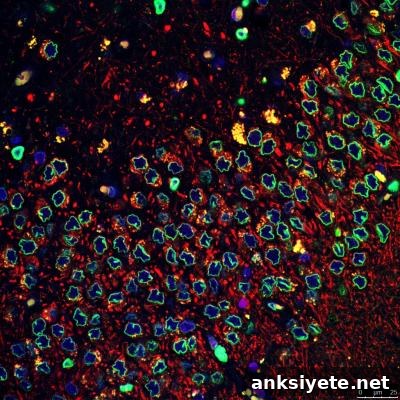
The study focuses on mutations in LRRK2, a gene that encodes a kinase implicated in both familial and sporadic Parkinson’s disease. Laboratory experiments showed that neural stem cells carrying the LRRK2 mutation develop misshapen nuclear envelopes and distorted nuclear structure. This nuclear deformation correlates with impaired survival of neural stem cells and a reduced capacity to generate functional neurons, including dopamine-producing neurons that are central to motor control. The authors confirmed similar nuclear envelope abnormalities in brain tissue samples from Parkinson’s disease patients, strengthening the clinical relevance of their iPSC-based model.
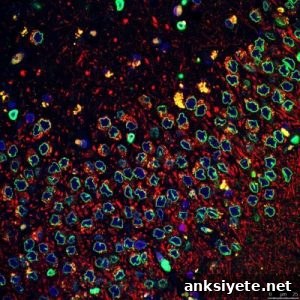
Although it remains unclear whether nuclear deformation is a primary cause of Parkinson’s disease or a downstream consequence, the study identifies nuclear integrity as a key factor in neural stem cell health and function. Importantly, the researchers demonstrated that correction of the LRRK2 mutation using targeted gene-editing techniques restored nuclear envelope organization and improved both survival and neuronal differentiation of the patient-derived neural stem cells. Parallel experiments using chemical inhibition to protect the nucleus produced comparable benefits, indicating potential avenues for drug development aimed at preserving nuclear architecture in affected cells.
These results have several implications. First, nuclear deformation in neural stem cells could serve as an additional diagnostic marker for LRRK2-associated Parkinson’s disease, given the distinct appearance of the impaired nuclear envelope in patient samples. Second, the ability to repair the mutation genetically or to prevent nuclear damage pharmacologically highlights the possibility of personalized therapies for patients carrying this mutation. Finally, because neural stem cells contribute to the generation and maintenance of diverse neuronal populations, loss or dysfunction of these stem cell pools may help explain non-motor symptoms commonly seen in Parkinson’s disease—such as depression, anxiety, and loss of smell—beyond the classical loss of dopaminergic neurons that leads to motor deficits.
The international research team, led by Juan Carlos Izpisua Belmonte in Salk’s Gene Expression Laboratory, included collaborators from China, Spain, the University of California San Diego, and Scripps Research Institute. They leveraged human induced pluripotent stem cell technology to model disease processes in a way that is not feasible with conventional cell lines or animal models. Deriving iPSCs from adult skin fibroblasts and differentiating them into neural stem cells enabled the researchers to observe how the LRRK2 mutation affects human neural progenitors over time and during cellular aging.
Modeling age-related changes was a key aspect of the work: as patient-derived neural stem cells aged in culture, the frequency and severity of nuclear envelope deformation increased, along with declines in cell survival and neurogenic capacity. This progressive pattern supports a model in which LRRK2-driven nuclear defects accumulate with age and contribute to the gradual decline in neural stem cell function that may underlie Parkinson’s pathology.
Beyond disease modeling, the study showcases the utility of reprogramming technologies for testing genetic correction and small-molecule interventions in patient-specific cells. These platforms allow researchers to evaluate whether repairing a genetic defect can restore normal cellular architecture and function, a critical step toward translational therapies.
Notes about this Parkinson’s disease research
Additional contributors to the study included Guang-Hui Liu, Jing Qu, Keiichiro Suzuki, Emmanuel Nivet, Mo Li, Nuria Montserrat, Fei Yi, Xiuling Xu, Sergio Ruiz, Weiqi Zhang, Bing Ren, Ulrich Wagner, Audrey Kim, Ying Li, April Goebl, Jessica Kim, Rupa Devi Soligalla, Ilir Dubova, James Thompson, John Yates III, Concepcion Rodriguez Esteban, and Ignacio Sancho-Martinez.
The work received support from the Glenn Foundation for Medical Research; the G. Harold and Leila Y. Mathers Charitable Foundation; Sanofi; the California Institute for Regenerative Medicine; the Ellison Medical Foundation and the Leona M. and Harry B. Helmsley Charitable Trust; MINECO; and Fundacion Cellex.
Contact: Andy Hoang – Salk Institute
Source: Salk Institute press release
Original Research: Abstract for “Progressive degeneration of human neural stem cells caused by pathogenic LRRK2” (Nature, 17 October 2012, doi: 10.1038/nature11557)