
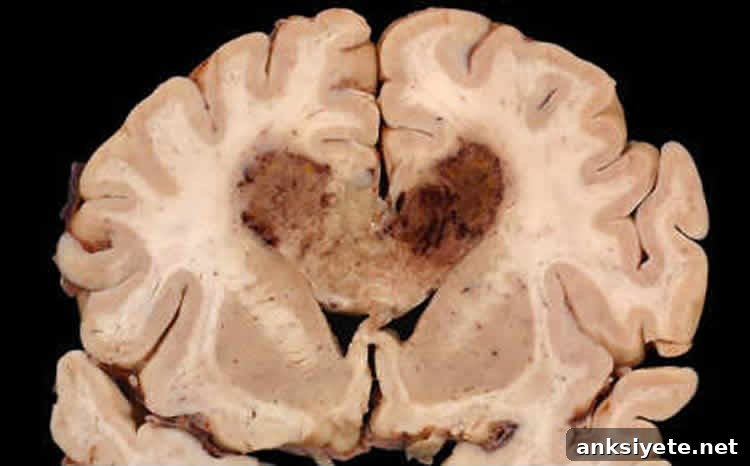
Cold Virus Injected into Brain Tumor as Part of UAMS Clinical Trial
Summary: Researchers injected a modified cold virus directly into a patient’s brain tumor as part of a clinical trial that combines viral therapy with immunotherapy to target glioblastoma.
Source: University of Arkansas for Medical Sciences.
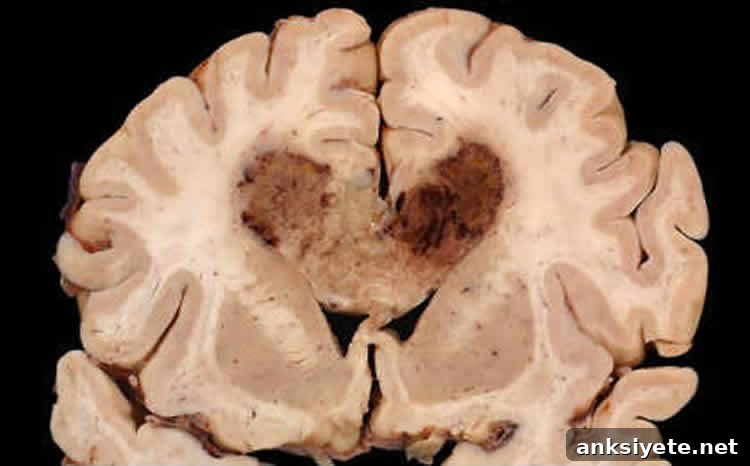
A team at the University of Arkansas for Medical Sciences (UAMS) performed a novel procedure in which a common cold virus was injected into a patient’s brain tumor, marking the first such procedure performed in the United States as part of this clinical trial approach.
Beth Rogers, 63, of Hazen, underwent the procedure on Oct. 5 and has been receiving follow-up immunotherapy with pembrolizumab (Keytruda) every three weeks. According to reports from the medical team, she has experienced no unexpected complications or side effects to date.
Rogers said she accepted the risks of being the first person to receive this combined treatment without fear. “I’ve got so much to live for,” she said. “I have a wonderful family, five grandchildren, friends and a supportive community. As a retired elementary school librarian, I’ve received letters and cards. I want to try to help, and that’s why I have no fear. I know I’m on the right path.”
J.D. Day, M.D., professor and chairman of the Department of Neurosurgery at the UAMS College of Medicine, led the surgery. He described the approach as a deliberate combination of therapies designed to attack the tumor from multiple angles, with the goal of destroying cancer cells and improving outcomes for patients with glioblastoma, an aggressive and often recurrent type of brain tumor.
During the operation, Dr. Day used a newly designed cannula to inject an adenovirus directly into Rogers’ tumor. Adenoviruses commonly cause respiratory illnesses in humans, but in this application the virus is engineered or selected to preferentially infect and replicate within cancer cells. Once inside the tumor, the virus multiplies and selectively attacks malignant cells while sparing healthy brain tissue. Because the virus replicates within tumor cells, it can continue its anti-cancer activity without the need for repeated injections.
The viral injection is combined with systemic immunotherapy. Pembrolizumab is a checkpoint inhibitor intended to enhance the patient’s immune response against cancer. The immunotherapy infusions are intended to weaken the tumor’s defenses and bolster immune system activity so that immune cells can better recognize and clear cancer cells following viral therapy.
Although similar combination strategies have shown promise in treating other cancer types, this marks the first time such a technique—local adenovirus delivery plus pembrolizumab—has been used to treat a brain tumor in the United States within this clinical trial framework.
Rogers sought the trial after her tumor continued to progress despite two prior surgeries and a regimen of chemotherapy and radiation. She consulted with an out-of-state cancer center that identified her as a candidate and referred her to UAMS for participation in the study.
“It’s remarkable to have this care available close to home,” Rogers said. “I’m hopeful that by participating in this trial I can help researchers find better treatments for glioblastoma. I’m proud it’s being done here at UAMS in Arkansas.”
Dr. Day emphasized that developing comprehensive local treatment capabilities at UAMS was a deliberate priority so Arkansas patients would not have to travel out of state for advanced care. “We have worked to build a center for brain cancer treatment that is essentially second to nobody,” he said. “We have the tools, the important research, and clinical trials open to patients—services that previously might have required leaving the state.”
The procedure at UAMS was part of a phase two clinical trial called CAPTIVE (Combination Adenovirus + Pembrolizumab to Trigger Immune Virus Effects). A few additional U.S. sites have been approved to participate in the trial, but UAMS was the first to perform the actual viral injection surgery after identifying Rogers as an appropriate candidate.
Source: Kevin Jiang – University of Arkansas for Medical Sciences