
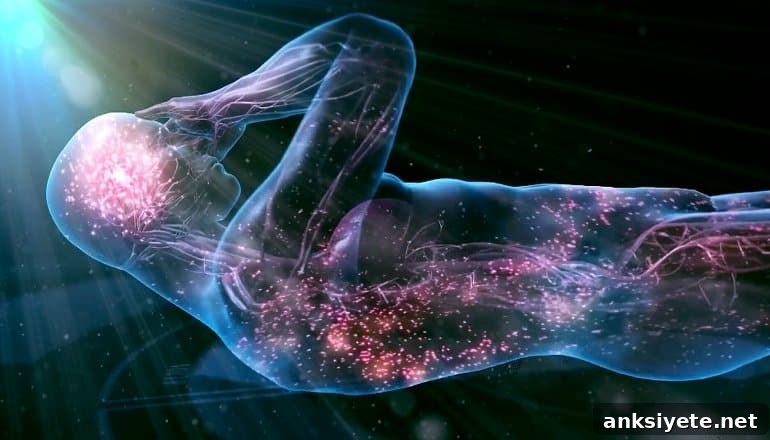
Summary: New brain-mapping research shows that damage to a single area of the brain reshapes connections between neurons throughout the whole brain.
Source: UC Irvine
Researchers at the University of California, Irvine report that an injury to one brain region can alter neuronal connectivity across the entire brain.
Their findings, published in Nature Communications, reveal broad changes in how inhibitory neurons receive input after traumatic brain injury (TBI), offering new insight into brain-wide rewiring and potential strategies for repair.
Nearly two million people in the United States sustain a traumatic brain injury each year. Many survivors face long-term physical, cognitive and emotional disabilities, and effective therapies remain limited. A major obstacle for scientists has been a lack of comprehensive, brain-wide data showing how TBI reshapes the connections between cells and brain regions.
To overcome this challenge, the UCI team enhanced a tissue-clearing technique known as iDISCO. This method renders biological samples transparent, preserving intact brains that can be illuminated with lasers and imaged in three dimensions using specialized microscopes. With these improvements, the researchers produced cellular-resolution, whole-brain maps of inputs to inhibitory neurons in a mouse model of TBI.
The study focused on inhibitory interneurons because they are particularly susceptible to injury and loss. The team examined two key areas: the hippocampus, essential for learning and memory, and the prefrontal cortex, which works closely with the hippocampus to support higher cognitive functions. In both regions, imaging revealed a striking pattern: after TBI, inhibitory neurons developed many more local connections from nearby cells but lost long-range inputs from distant brain regions.
“We’ve known communication between brain cells can change dramatically after injury,” said Robert Hunt, PhD, associate professor of anatomy and neurobiology and director of the Epilepsy Research Center at UCI School of Medicine, whose laboratory led the study. “Until now, we couldn’t visualize these changes across the entire brain.”
To examine damaged circuits at higher resolution, the researchers devised a way to reverse the clearing process and apply conventional anatomical analysis. These additional experiments showed that long-range axonal projections from distant neurons remained present in the injured brain, but they no longer formed synaptic connections with inhibitory neurons. In other words, the wiring was still physically there, but the functional contacts were missing.
Graduate student and co-first author Alexa Tierno explained the implications: “It appears the whole brain is being reorganized to accommodate injury, even in regions that were not directly damaged. That reorganization creates strong local hubs of inhibition but weakens communication across distant brain areas, which likely impairs coordinated function.”
The team then tested whether lost long-range connections could be restored. Building on earlier work showing that interneuron transplantation can improve memory and suppress seizures in injured mice, Hunt’s group transplanted new inhibitory interneurons into the damaged hippocampus and mapped the inputs those cells received. The transplanted interneurons established both appropriate local and distant connections throughout the brain, indicating that the cellular machinery for forming long-range synapses can still operate after injury.
This result suggests two complementary implications for recovery after TBI. First, the injured brain may be coaxed to re-establish some lost connections, raising the possibility of therapies that promote endogenous repair. Second, carefully designed cell-based interventions—such as interneuron transplantation—could directly rebuild functional inhibitory circuits by integrating new cells into existing networks.
“Our study significantly advances understanding of how inhibitory progenitors might be used therapeutically for TBI, epilepsy and other disorders,” Hunt said. “Some have proposed transplanted interneurons act by secreting factors that rejuvenate tissue, but our data show the new neurons are being hard-wired into host circuits. That precision of integration is promising for future therapies, though it requires careful, stepwise development.”
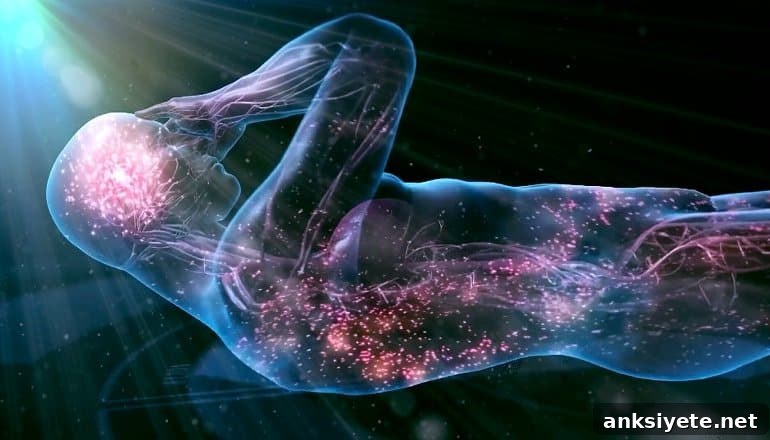
Hunt and colleagues are continuing this line of research by testing inhibitory neurons derived from human stem cells and evaluating how they integrate into injured circuits. Their long-term aim is to develop precise cell-based therapies that restore balanced inhibition and improve function for people living with TBI and epilepsy.
Co-authors on the study include Jan C. Frankowski, PhD; Shreya Pavani; Quincy Cao; and David C. Lyon, PhD. The research was supported by funding from the National Institutes of Health.
About this TBI research news
Author: Anne Warde
Source: UC Irvine
Contact: Anne Warde – UC Irvine
Image: The image is in the public domain
Original Research: Open access. “Brain-wide reconstruction of inhibitory circuits after traumatic brain injury” by Robert Hunt et al., Nature Communications
Abstract
Brain-wide reconstruction of inhibitory circuits after traumatic brain injury
Understanding the brain’s wiring diagram is essential, yet how traumatic brain injury rewires neuronal networks remains incompletely known. Using cellular-resolution whole-brain imaging, the authors generated maps of inputs to inhibitory neurons in a mouse model of TBI. They found somatostatin-expressing interneurons become hyperconnected hubs with dense local connections but lose long-range inputs across multiple brain regions, including areas without direct damage. This loss of distant input did not correlate with cell loss at those remote sites. Importantly, transplanted interneurons into the injury site received both local and long-range connections, indicating the capacity to form distant synapses persists after severe injury. These findings point to a potential strategy for sustaining and optimizing inhibition after TBI by reorganizing direct inputs to inhibitory neurons across the brain.