
Summary: New findings point to potential drug-based strategies to stimulate generation of specific brain cell types and support repair in degenerative conditions.
Source: PLOS
Overview
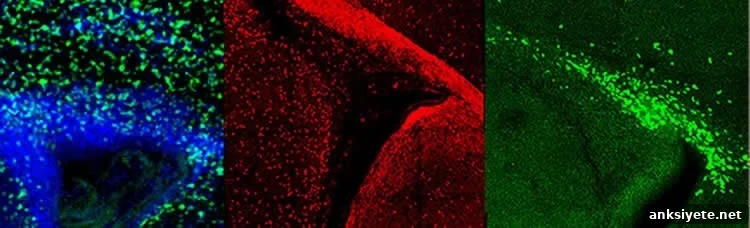
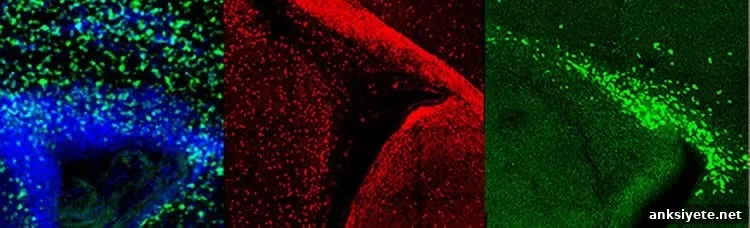
Researchers have identified existing small-molecule drugs that engage signaling pathways guiding neural stem cells to become particular adult brain cell types in mice. Published 28 March in the open-access journal PLOS Biology, the study by Kasum Azim (University of Zurich) with colleagues from INSERM/university of Lyon and the University of Portsmouth uses transcriptomic and pharmacogenomic data to reveal compounds that can bias stem cell fate toward neurons or oligodendrocytes. These findings suggest new directions for drug development aimed at repairing the brain in degenerative or injury contexts.
Background
The subventricular zone (SVZ), a germinal region along the forebrain ventricles, continuously generates new interneurons and oligodendrocytes from resident neural stem cells (NSCs) across the lifespan. Previous studies have cataloged the transcriptional programs that accompany differentiation of these lineages in newborn mice, and large databases exist that record the transcriptional responses to thousands of approved small molecules. The authors combined these resources with their own expression data to search for overlaps between lineage-specific gene expression signatures and drug-induced transcriptional profiles, reasoning that shared signatures could identify molecules capable of redirecting NSC fate for therapeutic purposes.
Methods
First, the team mapped signaling differences across SVZ “microdomains” that bias NSCs toward either neuronal or oligodendrocytic lineages. They identified distinct signaling pathways and downstream transcriptional networks characteristic of dorsal (oligodendrocyte-producing) versus lateral (neuron-producing) SVZ microdomains. Next, the researchers used an in silico pharmacogenomic approach—leveraging searchable expression repositories and connectivity mapping—to match these lineage-specific transcriptional programs to small-molecule signatures. Candidate compounds were then tested in vivo to confirm effects on lineage commitment and regenerative responses.
Key findings
Using this combined bioinformatic and experimental pipeline, the authors identified several clinically relevant small molecules whose transcriptional effects resembled either neuronal or oligodendrocytic differentiation programs. Notable results include:
- LY-294002: This compound selectively enhanced oligodendrogenesis from neural stem cells in neonatal mice, increasing production of oligodendrocyte-lineage cells in dorsal SVZ regions.
- AR-A014418 and CHIR99021: In adult mice these agents counteracted the age-related decline in the SVZ’s neurogenic capacity and preserved lineage diversity—restoring aspects of the stem cell niche that normally diminish with age.
- CHIR99021 in an injury model: In a perinatal hypoxic brain injury model, CHIR99021 robustly promoted regeneration of oligodendrocytes and produced a smaller but measurable increase in new neurons, indicating potential for aiding recovery after early-life hypoxic damage.
Implications
The study offers three main contributions. First, mapping drug-induced transcriptional signatures onto microdomain-specific developmental programs highlights key signaling pathways that control NSC fate and suggests mechanistic targets for manipulating neural lineages. Second, the approach identifies existing small-molecule drugs—many already approved for other clinical uses—that can be rapidly evaluated for brain repair applications. Third, this work demonstrates a scalable proof-of-concept for pharmacogenomic screening to discover compounds that directly modulate neural regeneration in vivo.
As the authors note, controlling neural stem cell fate is central to regenerative medicine. The combined bioinformatic and experimental pipeline presented here can accelerate discovery of candidate drugs to enter preclinical development for disorders where neuronal and oligodendrocyte loss contribute to dysfunction, including a range of neurodegenerative conditions and injury-related pathologies.
Abstract (concise)
Promoting neural regeneration in situ requires methods to bias stem cell differentiation without complex genetic manipulation. The subventricular zone (SVZ) supports lifelong generation of diverse interneurons and oligodendrocytes. This study integrates transcriptomic profiling of dorsal and lateral SVZ microdomains with a connectivity mapping approach to identify small molecules that mimic lineage-specific transcriptional programs. Selected compounds were validated in vivo, where they directed NSC differentiation during postnatal development, in adult mice, and in regenerative contexts after injury. These results establish a pharmacogenomic strategy to identify bioactive molecules that steer germinal activity in the SVZ and highlight candidate drugs for further exploration in brain repair and neurodegenerative disease therapy.
Study citation
Kasum Azim et al., “Pharmacogenomic identification of small molecules for lineage specific manipulation of subventricular zone germinal activity,” PLOS Biology, published online March 28, 2017.