
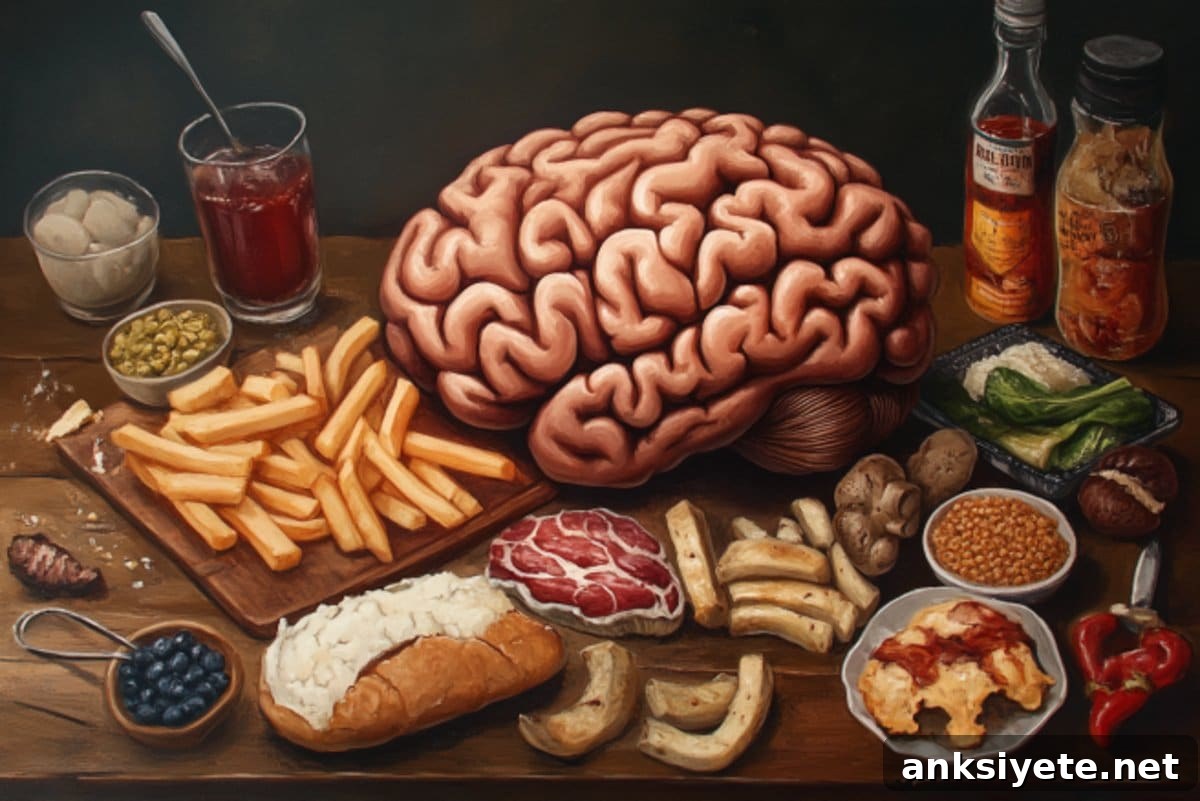
Summary: New research from the University of Chicago shows that a Western-style diet high in processed foods and low in fiber prevents the gut microbiome from recovering properly after antibiotics. In mice, this diet blocked regeneration of a diverse, healthy microbiome and increased vulnerability to infections such as Salmonella. By contrast, a fiber-rich, plant-forward diet promoted rapid microbiome restoration and resilience. These results underscore diet’s central role in gut health and suggest targeted dietary strategies could help rebuild microbiota after medical treatments.
The study compares the effects of a Western-style diet (WD) versus a plant-rich, regular chow (RC) diet on microbiome recovery after antibiotic treatment. Mice fed the RC-like diet recovered a balanced, diverse microbiome quickly, while mice on the WD suffered prolonged dysbiosis. Fecal microbiota transplant (FMT) failed to restore a healthy community in mice remaining on the Western diet, revealing that the diet itself—rather than simply replacing microbes—determines the success of recovery.
Key Facts:
- Diet shapes recovery: A fiber-rich, plant-based diet enables rapid restoration of gut microbiome diversity after antibiotics.
- Western diet harms resilience: High-fat, low-fiber processed diets limit microbial diversity, impede recovery, and increase infection risk.
- Food as medicine: Dietary interventions may be an effective, non-invasive approach to rebuild the microbiome after intensive medical treatments.
Background
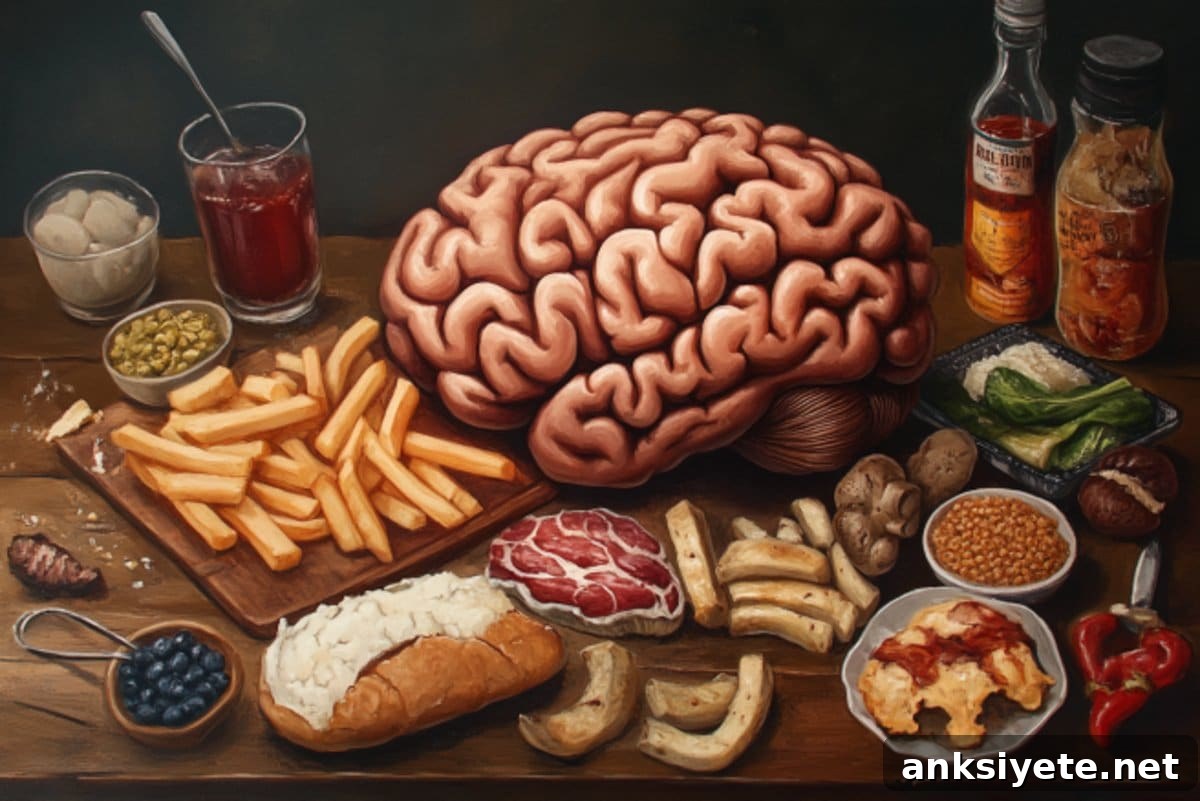
The modern Western-style diet—characterized by processed foods, high saturated fat, refined sugars, and low intake of fruits, vegetables, and whole grains—decreases microbial diversity and the range of metabolites produced in the gut. Loss of these beneficial microbes and their metabolic functions is linked to inflammation and greater risk for immune-related disorders, including inflammatory bowel disease. Given how often antibiotics are used in clinical settings, the interaction between diet and post-antibiotic microbiome recovery has important implications for patient care.
Study design and main findings
Researchers fed mice either a Western-style diet (WD) or a regular chow (RC) diet rich in plant fibers, then treated both groups with antibiotics. Some mice continued on the same diet post-antibiotics while others were switched to the opposite diet. In addition, some animals received fecal microbiota transplants (FMT) to reintroduce microbes after antibiotic exposure.
Only mice on the RC diet—whether before or after antibiotics—displayed a rapid and orderly successional recovery of their gut microbiome, regaining taxonomic diversity and functional capacity. Computational metabolic modeling showed that the RC diet fosters syntrophic cross-feeding: cooperative metabolic interactions among microbes that create a supportive environment for diverse species to return. In contrast, the WD produced a resource landscape that favored dominance by a few taxa that consumed available nutrients without producing byproducts necessary for other microbes to flourish.
FMT had little effect on recovery in mice that remained on the WD. Even when donor microbes matched the ideal transplant, the hostile dietary environment prevented those microbes from establishing, diversifying, or restoring ecosystem function. Mice experiencing prolonged dysbiosis on the WD were also more susceptible to colonization by the intestinal pathogen Salmonella enterica serovar Typhimurium, demonstrating a clear health consequence of impaired recovery.
Ecological analogy: rebuilding a forest
Senior authors liken the gut microbiome to a forest recovering from fire: restoration depends on a sequence of ecological events and on the availability of resources that support different species at the right times. A fiber-rich diet supplies the substrates and metabolic networks that allow multiple microbial species to reestablish mutualistic relationships and a stable community, whereas a Western diet tends to let a few opportunistic species monopolize resources and block proper succession.
Clinical implications
The findings suggest that dietary interventions could be a practical strategy to support microbiome recovery in clinical contexts where antibiotics and immunosuppressive therapies are common—such as during cancer treatment or after organ transplant. Instead of relying primarily on additional antibiotics or invasive microbial transplants, clinicians might consider recommending increased dietary fiber or targeted nutritional support before and after antibiotic courses to reduce the risk of prolonged dysbiosis and secondary infections.
Researchers also propose complementary approaches, such as targeted supplements designed to supply the metabolites that foster microbial cross-feeding, enabling patients to benefit even when major dietary changes are impractical. As the authors conclude, food can be both medicinal and prescriptive: by manipulating dietary components, it may be possible to encourage specific microbial populations and functions that support health.
Study details and support
The study, titled “Diet outperforms microbial transplant to drive microbiome recovery in mice,” was led by researchers at the University of Chicago with contributions from collaborators and support from the National Institutes of Health, the Gastrointestinal Research Foundation of Chicago, the Simons Foundation, the U.S. Department of Energy, and partners in Hong Kong.
Abstract
Diet outperforms microbial transplant to drive microbiome recovery in mice
A high-fat, low-fiber Western-style diet induces microbiome dysbiosis with reduced taxonomic diversity and metabolic breadth, increasing risk for metabolic, immune and systemic pathologies. While prior work suggested WD impairs microbiome resilience to perturbations like antibiotics, mechanisms and host consequences remained unclear. This study maps the recovery trajectories after antibiotic treatment in mice on regular chow (RC) or WD and shows that only RC enables rapid, orderly recovery. Metabolic modeling indicates RC promotes syntrophic cross-feeding interactions, whereas WD allows a dominant taxon to monopolize resources without producing byproducts needed for community rebuilding. Dietary resource availability is necessary and sufficient for robust recovery, while microbial transplant alone is not. Prolonged post-antibiotic dysbiosis on WD increases susceptibility to Salmonella infection. These results challenge widespread enthusiasm for fecal microbiota transplant as a standalone solution and indicate that targeted dietary interventions are an essential prerequisite for effective microbiome restoration.
About this diet and microbiome research news
Author: Matt Wood
Source: University of Chicago
Contact: Matt Wood – University of Chicago
Image: The image is credited to Neuroscience News
Original Research: Closed access. “Diet outperforms microbial transplant to drive microbiome recovery in mice” by Eugene Chang et al., Nature. DOI: 10.1038/s41586-025-08937-9