
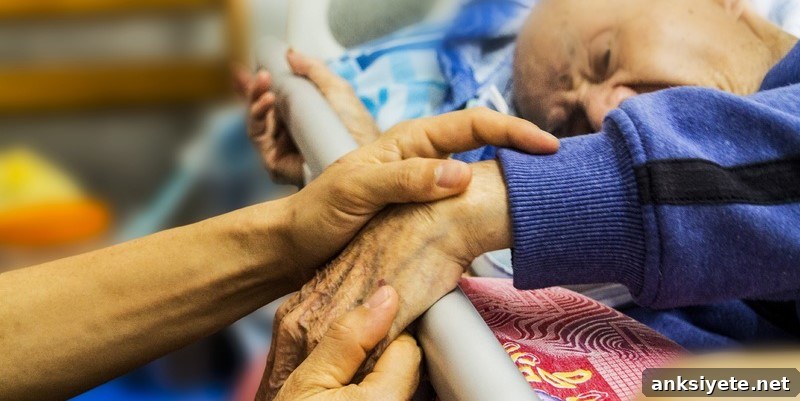
 Compassion sustains human life. Without it, countless acts of courage, care, and sacrifice would never have occurred.
Imagine a world without figures like Mother Teresa, Martin Luther King Jr., St. Francis of Assisi, Nelson Mandela, or Mahatma Gandhi. Imagine a world without the many ordinary people who risked their lives to save others in wartime or ran into burning buildings to rescue strangers. The thought is difficult to bear.
Compassion matters not only in dramatic acts of heroism but also in everyday life. It fosters positive behavior that benefits both individuals and communities. This article explores compassion: what it is, why it matters, the psychological and social benefits, its link to resilience, and key research findings.
This Article Contains:
- The Concept of Compassion in Psychology
- Compassion and Positive Psychology
- Research and Studies
- Why Compassion Is Important and Necessary
- The Value and Power of Compassion
- 20 Proven Benefits of Compassion
- Is Compassion Linked to Resilience?
- Does Compassion Help Manage Stress?
- Why Compassion Matters in Society
- Other Common Questions
- 12 Psychology Journals on Compassion
- A Take-Home Message
- References
The Concept of Compassion in Psychology
If you want others to be happy, practice compassion. If you want to be happy, practice compassion.
Dalai Lama
The Dalai Lama highlights a central truth: compassion benefits both the giver and the receiver. But what exactly is compassion? Scholars define it in various ways. One review summarized three conditions often associated with compassion: the suffering must be serious, it should not be clearly self-inflicted, and one must be able to imagine oneself in a similar situation. In other words, compassion requires awareness, concern, and empathy.
Consider a person experiencing homelessness. Different observers will feel varying degrees of compassion depending on how they interpret the situation’s severity and causation. Compassion differs from judgment: it opens the heart and often motivates action, even when feeling compassion is difficult.
A Look at Self-Compassion
Psychologists also study compassion directed inward—self-compassion. When people respond to their own mistakes with harsh self-criticism, they are more likely to suffer anxiety, depression, and lower wellbeing. Self-compassion involves treating oneself with kindness instead of judgment, recognizing common humanity rather than isolation, and holding painful feelings in mindful awareness rather than overidentifying with them.
Research shows that self-compassion predicts reduced anxiety and depression, less rumination, and greater psychological wellbeing. It can act as a protective factor and is increasingly included in therapeutic interventions to improve mental health and resilience.
Compassion and Positive Psychology
Positive psychology studies what helps people thrive: meaning, wellbeing, positive emotions, and strengths. Compassion fits squarely within this field because it fosters social connection, wellbeing, and healthier relationships.
Reviews of the positive psychology literature find that compassion and gratitude are strong predictors of wellbeing. Mindfulness-based interventions, which often include practices to cultivate self-compassion, consistently show benefits across emotional health and interpersonal functioning. As the evidence grows, compassion remains a core topic in efforts to improve mental health and social flourishing.
Free Self-Compassion Exercises (PDF)
Science-based exercises can help you develop greater kindness toward yourself and others. Seek out guided tools and practice regularly to strengthen compassion.
Research and Studies
Research on compassion and self-compassion is expanding. Below is a concise summary of key findings from representative studies:
| Main Findings | Citation |
|---|---|
| Increased compassion is linked to greater happiness and lower depression. | Shapira & Mongrain, 2010 |
| Compassion training promotes social connection. | Seppala, Rossomando, & James, 2013 |
| Compassion buffers physiological stress responses when combined with social support. | Cosley, McCoy, Saslow, & Epel, 2010 |
| Compassionate love predicts longer-term survival among people living with HIV. | Ironson, Kremer, & Lucette, 2018 |
| Compassionate care is a key motivator of cooperation between patients and medical staff. | Van der Cingel, 2011 |
| Compassion improves parent-child relationships. | Duncan, Coatsworth, & Greenberg, 2009 |
| Colleagues’ compassion toward teachers increases job satisfaction and emotional energy. | Eldor & Shoshani, 2016 |
| High self-criticism and low self-compassion increase risk for depression. | Ehret, Joormann, & Berking, 2014 |
| Self-compassion helps buffer stress through self-kindness and adaptive thinking. | Allen & Leary, 2010 |
| Self-compassion is associated with greater overall wellbeing and lower PTSD severity. | Various studies (Neff et al., 2007; Thompson & Waltz, 2008) |
Why Compassion Is Important and Necessary
Human beings are deeply social. Social connection is a fundamental driver of behavior and wellbeing. Compassion helps establish and maintain meaningful relationships by encouraging perspective taking, emotional support, and cooperative action.
Compassionate behavior benefits individuals (for example, volunteers often report higher self-esteem and wellbeing) and communities (compassionate policies and programs reduce crime and improve public health outcomes). Self-compassion is equally important: it supports emotional resilience, reduces maladaptive self-criticism, and encourages healthier coping strategies.
The Value and Power of Compassion
Compassion has special power in healthcare, where it can influence recovery, reduce anxiety, and improve patient satisfaction. Studies show that even brief, sincere expressions of care from clinicians reduce patient distress, and compassionate approaches can improve long-term health outcomes.
Stories from patients and families illustrate how compassionate actions—small gestures of presence, dignity, and tenderness—make enormous differences during trauma and loss. For that reason, training in compassionate care is increasingly recognized as essential for nurses, doctors, and other health professionals.
Compassion also matters for caregivers’ wellbeing. Without self-compassion and workplace supports, professionals may develop compassion fatigue and burnout. Building resilience through self-care, supportive supervision, and training can sustain caregivers over long careers.
20 Proven Benefits of Compassion
Research has identified many advantages of compassion, both toward others and oneself. Key benefits include:
- Stronger social connection and improved interpersonal functioning.
- Greater happiness and life satisfaction.
- Higher overall wellbeing.
- Compassionate love associated with improved health outcomes and survival in chronic illness.
- Higher patient satisfaction and lower distress when clinicians show empathy and compassion.
- Even brief compassionate interactions reduce patient anxiety.
- Lower aggression among youth when compassion and self-control are emphasized.
- Compassion-focused therapy shows promise for treating high self-criticism and affective disorders.
- Better parent-child relationships and more positive parenting practices.
- Improved cooperation and learning in compassionate classrooms.
- Greater job satisfaction and emotional vigor among professionals supported by compassionate colleagues.
- Health and wellbeing benefits for volunteers engaged in service work.
- Reduced PTSD symptoms and general psychopathology associated with self-compassion.
- More positive aging linked to self-compassion.
- Self-compassion combined with optimism helps people vulnerable to depression.
- Self-compassion supports behavior change, such as smoking cessation, in certain groups.
- Low self-compassion and high self-criticism increase depression risk.
- Self-compassion correlates with positive traits like wisdom, curiosity, and initiative.
- Reduced burnout and greater resilience among medical professionals who cultivate self-compassion.
- Self-compassion buffers the negative effects of stress.
Is Compassion Linked to Resilience?
Resilience means adapting successfully in the face of adversity. Compassion contributes to resilience by motivating supportive action and generating positive affect even in difficult situations. Compassion can protect helpers from the emotional toll of caregiving when paired with adequate self-care and organizational support.
However, sustained exposure to suffering without rest can lead to compassion fatigue and burnout. Preventive strategies include workplace supports, time for recovery, professional development, and cultivating self-compassion practices.
Does Compassion Help Manage Stress?
Evidence suggests compassion and self-compassion help reduce stress and its physiological effects. Compassion meditation and mindfulness-based stress reduction programs that include loving-kindness practices have been associated with improved immune responses and lower stress symptoms. Self-compassion also helps individuals cope with threats and setbacks by promoting self-kindness and cognitive reframing.
Laboratory studies show that compassion combined with social support reduces markers of physiological stress such as blood pressure and cortisol. While more research is welcomed, current findings support compassion as an effective stress-buffering resource.
Why Compassion Matters in Society
A compassionate society protects its vulnerable members, promotes cooperation, and discourages dehumanizing behaviors that lead to violence and injustice. Compassion has played a role in human evolution by encouraging caregiving, cooperation, and social bonding.
Modern examples show compassion-based programs can reduce crime and improve social outcomes. For instance, initiatives that divert people with addiction toward treatment and support rather than punishment demonstrate how compassionate, evidence-based policies lead to better community outcomes, including reduced arrests and increased housing and employment.
Compassion can also reshape institutions—policing, education, healthcare, and public policy—by emphasizing trust, dignity, and practical support. When leaders and institutions model compassion, they help build safer, healthier communities.
Other Common Questions
Below are brief answers to frequently asked questions about compassion.
1. Can compassion be learned?
Yes. While temperament and upbringing influence compassionate tendencies, interventions and training programs consistently show compassion can be cultivated through practice, education, and reflective exercises. Teaching compassion early in life supports lifelong empathy and caring behavior.
2. Do other animals show compassion?
Yes. Many animal species—elephants, whales, primates, dogs, and others—display behaviors that resemble empathy and caregiving, suggesting compassion-like responses are not uniquely human.
3. How can I become more compassionate?
- Be altruistic: act beyond your comfort zone to help others or volunteer in your community.
- Avoid judgment: try to see others’ struggles without assumptions about fault.
- Practice gratitude: appreciating what you have increases empathy for others.
- Learn from compassionate traditions and practices, such as mindfulness and loving-kindness meditation.
- Be kind to yourself: cultivate self-forgiveness and supportive self-talk.
4. How can I be a more compassionate parent?
Compassionate parenting emphasizes empathy, warmth, and guidance without harsh labeling. Key practices include:
- Avoiding labels that limit a child’s identity.
- Responding to a child’s developmental stage with patience.
- Maintaining open communication and emotional warmth.
- Encouraging autonomy, respect for others, and caring for living things.
- Using positive, democratic discipline and modeling compassionate behavior.
- Offering unconditional love and optimism about the child’s future.
12 Psychology Journals on Compassion
For readers seeking academic research, look for relevant studies in journals that publish work on empathy, compassion, mindfulness, and wellbeing, including outlets focused on positive psychology, clinical psychology, personality, and health. Nursing and social work journals also publish important applied research on compassionate care.
A Take-Home Message
Compassion matters. Both compassion for others and self-compassion are linked to numerous positive outcomes: greater wellbeing, improved social connection, better clinical outcomes, reduced stress, and increased resilience. Compassion in healthcare, education, policing, and public policy improves outcomes for individuals and communities.
Compassion can be taught and practiced. Simple habits—altruistic acts, reducing judgment, cultivating gratitude, and practicing self-kindness—help individuals and societies thrive. By learning from history and from programs that apply compassion in systematic, evidence-based ways, we can move toward a kinder, healthier, and more just world.
References
- Allen, A. B. & Leary, M. R. (2010). Self‐Compassion, Stress, and Coping. Social and Personality Psychology Compass, 4: 107-118.
- Birnie, K., Speca, M., & Carlson, L. E. (2010). Exploring self‐compassion and empathy in the context of mindfulness‐based stress reduction (MBSR). Stress and Health, 26, 359-371.
- Black, W., & Living, R. (2004). Volunteerism as an occupation and its relationship to health and wellbeing. British Journal of Occupational Therapy, 67(12), 526-532.
- Bramley, L., & Matiti, M. (2014). Patients’ experiences of compassion within nursing care and perceptions of developing compassionate nurses. Journal of Clinical Nursing, 23(19-20), 2790-2799.
- Chambers, C., & Ryder, E. (2009). Compassion and caring in nursing. Radcliffe Publishing.
- Clifasefi, S., Lonczak, H., & Collins, S. (2016). LEAD Program evaluation: Impact on housing, employment and income/benefits.
- Collins, S., Lonczak, H., & Clifasefi, S. (2017). Seattle’s LEAD: Program effects on recidivism. Evaluation and Program Planning, 64, 49-56.
- Cosley, B., McCoy, S., Saslow, L., & Epel, E. (2010). Is compassion for others stress buffering? Journal of Experimental Social Psychology, 46, 816-823.
- Dalai Lama. Quotations on kindness and compassion.
- DeValve, M., & Adkinson, C. (2008). Mindfulness, compassion, and the police in America: An essay of hope. Human Architecture, 6(3), 98-104.
- Duncan, L., Coatsworth, J., & Greenberg, M. (2009). A model of mindful parenting: Implications for parent–child relationships. Clinical Child and Family Psychology Review, 12(3), 255-270.
- Ehret, A., Joormann, J., & Berking, M. (2014). Risk and resilience factors for depression: self-criticism and self-compassion. Journal of Cognition and Emotion, 29, 1496-1504.
- Eldor, L., & Shoshani, A. (2016). Caring relationships in school staff: Compassion and teacher work engagement. Teaching and Teacher Education, 59, 126-136.
- Fogarty, L., Curbow, B., Wingard, J., McDonnell, K., & Somerfield, M. (1999). Can 40 seconds of compassion reduce patient anxiety? Journal of Clinical Oncology, 17, 371-379.
- Goetz, J., Keltner, D., & Simon-Thomas, E. (2010). Compassion: An evolutionary analysis and empirical review. Psychological Bulletin, 136(3), 351-374.
- Hooper, C., Craig, J., Janvrin, D., Wetsel, M., & Reimels, E. (2010). Compassion satisfaction, burnout, and compassion fatigue among emergency nurses. Journal of Emergency Nursing, 36(5), 420-427.
- Ironson, G., Kremer, H., & Lucette, A. (2018). Compassionate love predicts long-term survival among people living with HIV. The Journal of Positive Psychology, 13(6), 553-562.
- James, L. (2000). Road rage and aggressive driving: Steering clear of highway warfare. Prometheus Books.
- Kapoulitsas, M., & Corcoran, T. (2015). Compassion fatigue and resilience: A qualitative analysis. Qualitative Social Work, 14(1), 86-101.
- Kashdan, T., & Ciarrochi, J. (2013). Mindfulness, acceptance, and positive psychology: The seven foundations of well-being. Context Press.
- Kelly, A., Zuroff, D., Foa, C., & Gilbert, P. (2010). Training in self-compassionate self-regulation: Smoking reduction outcomes. Journal of Social and Clinical Psychology, 29(7), 727-755.
- Leaviss, J., & Uttley, L. (2015). Psychotherapeutic benefits of compassion-focused therapy: Systematic review. Psychological Medicine, 45(5), 927-945.
- Lelorain, S., Brédart, A., Dolbeault, S., & Sultan, S. (2012). Empathy measures and patient outcomes in cancer care. Psycho-Oncology, 21, 1255-1264.
- Lown, B., Rosen, J., & Marttila, J. (2011). Improving compassionate care: A survey shows many patients say such care is missing. Health Affairs, 30(9), 1772-1778.
- MacBeth, A., & Gumley, A. (2012). Exploring compassion: Meta-analysis of self-compassion and psychopathology. Clinical Psychology Review, 32(6), 545-552.
- Masten, A., Best, K., & Garmezy, N. (1990). Resilience and development: Contributions from the study of children who overcome adversity.
- Mills, J., & Chapman, M. (2016). Compassion and self-compassion in medicine: Self-care for the caregiver. Australasian Medical Journal, 9(5), 87-91.
- Neff, K. (2003). The development and validation of a scale to measure self-compassion. Self and Identity, 2, 223-250.
- Neff, K., Kirkpatrick, K., & Rude, S. (2007). Self-compassion and adaptive psychological functioning. Journal of Research in Personality, 41, 139-154.
- Pace, T., Tenzin Negi, L., Adame, D., et al. (2009). Effect of compassion meditation on neuroendocrine, immune and behavioral responses to stress. Psychoneuroendocrinology, 34(1), 87-98.
- Peters, D., & Calvo, R. (2014). Compassion vs. empathy: Designing for resilience.
- Phillips, W., & Ferguson, S. (2013). Self-compassion: A resource for positive aging. The Journal of Gerontology, 68(4), 529-539.
- Richardson, C., Percy, M., & Hughes, J. (2015). Nursing therapeutics: Teaching student nurses care, compassion and empathy. Nurse Education Today, 35(5), e1-e5.
- Rosenberg, M. (2004). Raising children compassionately: Parenting the nonviolent communication way. PuddleDancer Press.
- Schopenhauer, A. (1788-1860). Writings on compassion and morality.
- Seligman, M., & Csikszentmihalyi, M. (2000). Positive psychology: An introduction. American Psychologist, 55(1), 5-14.