
Researchers have identified the genetic cause of angiocentric glioma, a recently recognized pediatric brain tumor, offering a clear diagnostic marker and a path to avoid unnecessary treatments that can harm developing brains.
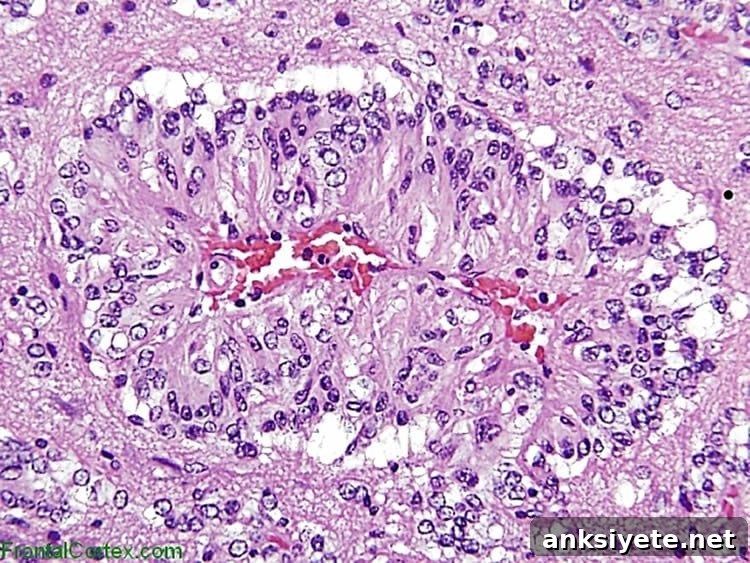
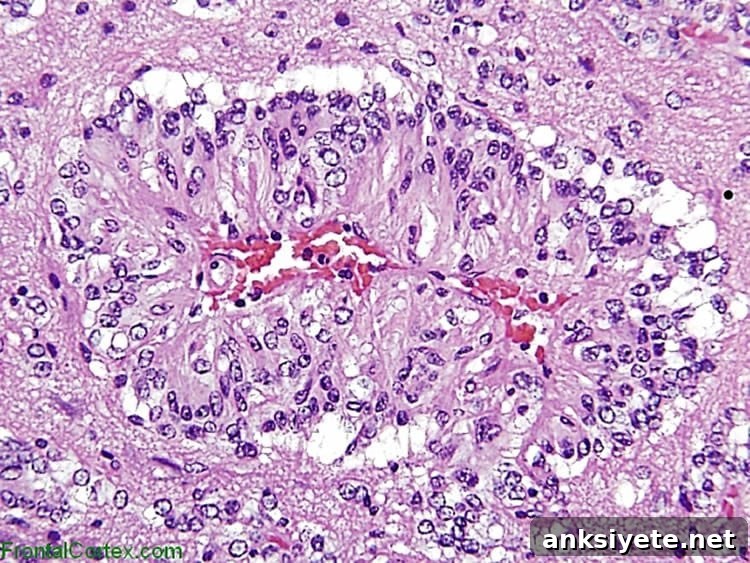
Angiocentric gliomas are a rare form of low-grade pediatric glioma that were only classified within the last decade. They are named for the distinctive tendency of tumor cells to align around blood vessels. These tumors most often present with seizures and, unlike high-grade malignancies, they do not spread to other parts of the body. In many cases surgical removal alone is curative, and patients do not require radiation or chemotherapy. However, because angiocentric gliomas have been difficult to identify definitively by pathology, some children have received additional therapy out of caution—exposing them to risks of long-term neurologic and developmental side effects.
In a new genomic study, researchers examined 249 pediatric low-grade gliomas (PLGGs), including 19 angiocentric gliomas, and discovered a consistent and defining genetic rearrangement in the angiocentric tumors. The abnormality fuses two genes, MYB and QKI, creating a single event—referred to as the MYB‑QKI fusion—that drives tumor formation through three distinct but converging mechanisms. This discovery gives clinicians an exact molecular marker to confirm angiocentric glioma and better tailor treatment decisions.
Rameen Beroukhim, MD, PhD, and colleagues report that the MYB‑QKI fusion acts through a tripartite mechanism that promotes tumorigenesis:
- Enhancer hijacking: Regulatory DNA elements called enhancers are relocated near the MYB portion of the fusion, increasing MYB expression.
- Autoregulatory activation: The fusion protein binds promoter regions that further amplify MYB activity, driving abnormal cell growth.
- Loss of tumor suppression: The chromosomal rearrangement deletes one copy (hemizygous loss) of the QKI tumor suppressor gene, reducing its normal control over genes that limit tumor development.
These three effects—enhanced MYB expression, direct activation by the fusion protein, and reduced QKI tumor-suppressor function—act together to transform cells. According to the investigators, this is the first documented example in which a single structural rearrangement simultaneously triggers multiple genetic and epigenetic processes that converge to cause a tumor.
The MYB gene is a proto-oncogene, meaning that when it is abnormally activated it can promote cancerous growth. QKI normally acts as a tumor suppressor, helping to restrain processes that lead to malignancy. In angiocentric glioma, the fusion both increases MYB-driven growth signals and diminishes QKI-mediated restraint, a combination that explains the unique biology of these tumors.
Because the MYB‑QKI fusion was found specifically in angiocentric gliomas and not in the other PLGGs analyzed, the authors recommend classifying angiocentric glioma as a distinct biological entity confirmed by detection of the fusion. Identifying this genetic hallmark will help pathologists and clinicians distinguish angiocentric glioma from other tumors that carry a higher risk of recurrence and might require additional therapies such as radiation or chemotherapy.
To translate the discovery into clinical practice, the research team developed the first genetic test for MYB‑QKI fusions in angiocentric glioma. This diagnostic assay is intended to be available to clinicians and centers evaluating pediatric brain tumors, supporting more precise diagnosis and reducing unnecessary exposure to therapies that can have lifelong consequences in children.
Funding: The study was supported by A Kids’ Brain Tumor Cure Foundation, the Pediatric Low-Grade Astrocytoma Foundation, and National Institutes of Health grants R01NS085336 and PO1CA142536.
Source: Teresa Herbert, Dana-Farber Cancer Institute. Image credit: gliageek/FrontalCortex.com.
Key study summary
Title: MYB‑QKI rearrangements in angiocentric glioma drive tumorigenicity through a tripartite mechanism
Genomic analysis of 249 pediatric low-grade gliomas, including 19 angiocentric gliomas, identified MYB‑QKI fusions as the specific driver event in angiocentric glioma. Functional studies performed in the laboratory and in animal models demonstrated that these rearrangements promote tumor formation through (1) truncation and activation of MYB, (2) enhancer translocation that causes aberrant expression of the fusion gene, and (3) loss of one copy of the QKI tumor suppressor. Together these mechanisms explain how a single rearrangement can simultaneously alter genetic and epigenetic controls to produce a tumor. The findings were published in Nature Genetics (published online February 1, 2016; doi:10.1038/ng.3500).