
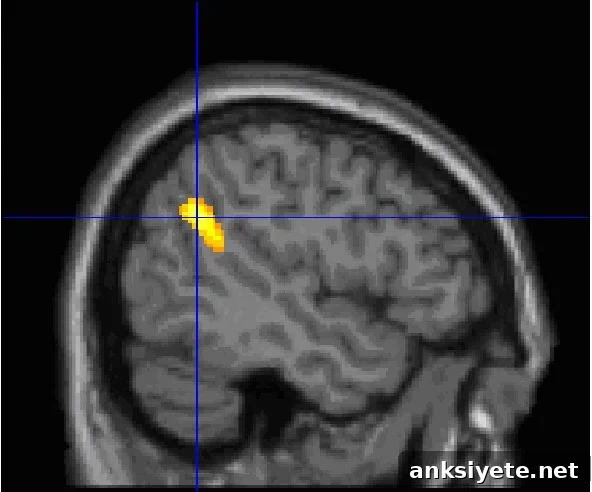
Some people remember a dream almost every morning, while others rarely recall theirs. A research team led by Perrine Ruby, an Inserm Research Fellow at the Lyon Neuroscience Research Center, investigated brain activity differences between these two types of dreamers to better understand what underlies dream recall.
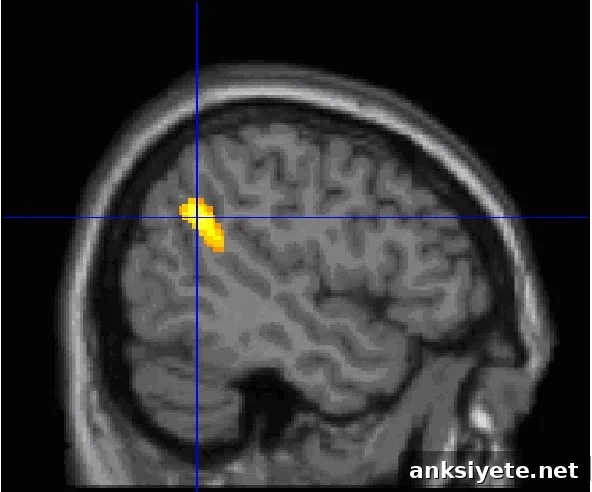
Published in the journal Neuropsychopharmacology, the study identifies the temporoparietal junction (TPJ) and the medial prefrontal cortex (mPFC) as key regions whose resting activity differs between people who frequently remember dreams and those who rarely do. The researchers propose that heightened activity in these regions may make some individuals more responsive to external stimuli during sleep, increasing the likelihood of brief awakenings that allow dreams to be encoded into long-term memory.
Dream recall varies widely between individuals. Earlier work by Ruby and colleagues—reported in Cerebral Cortex—found that people who remember dreams regularly have more and longer moments of wakefulness during the night and show greater neural responsiveness to sounds while both awake and asleep. These brief arousals are important because the sleeping brain has limited capacity to store new information; waking up briefly appears to be necessary to consolidate dream content into memory.
To identify which brain areas might underlie these differences in dream recall, the team used Positron Emission Tomography (PET) to measure resting spontaneous brain activity in 41 volunteers during both wakefulness and sleep. Participants were divided into two groups: 21 “high dream recallers,” who on average reported remembering dreams about 5.2 mornings per week, and 20 “low dream recallers,” who reported roughly two dreams per month on average. The PET scans revealed that high dream recallers exhibited consistently stronger spontaneous activity in the mPFC and the TPJ across wakefulness and sleep.
The TPJ is involved in orienting attention toward relevant sensory events originating outside the body, while the mPFC plays a role in higher-order cognitive processes including aspects of self-referential thought and memory. The researchers suggest that greater baseline activity in these regions could make the sleeping brain more sensitive to environmental cues, thereby increasing the frequency of micro-awakenings and giving the brain windows in which dream content can be transferred into memory storage.
Perrine Ruby explains: “This pattern may account for why high dream recallers are more reactive to environmental stimuli, awaken more often during sleep, and consequently better encode dreams into memory than low recallers. Since the brain cannot effectively encode new information while fully asleep, these brief arousals appear crucial for remembering dreams.”
These findings also align with clinical observations by neuropsychologist Mark Solms, who reported that lesions in the TPJ and mPFC can lead to a loss of dream recall. What is novel about the current study is the demonstration that naturally occurring differences in resting brain activity across healthy individuals distinguish those who remember dreams frequently from those who do not, and that these differences are present both during sleep and wakefulness.
The researchers note that their results primarily address differences in how dreams are remembered rather than how many dreams are produced. It remains possible that high dream recallers also generate more or more vivid dreams, but the present data emphasize a memorization mechanism: increased sensitivity to external stimuli and more frequent intrasleep awakenings offer opportunities for dream content to be consolidated into memory.
Overall, this research contributes to our understanding of the neural basis of dream recall, highlighting attention-related networks and their role in the interface between sleep, sensory processing, and memory encoding. The study suggests that individual differences in resting brain activity can shape the likelihood of remembering dreams, offering a physiological explanation for a common variability in human experience.
Notes about this neuroscience and dream research
Contact: Perrine Ruby – INSERM
Source: INSERM press release
Image credit: Perrine Ruby / INSERM
Original Research: “Resting Brain Activity Varies with Dream Recall Frequency between Subjects” by Jean-Baptiste Eichenlaub, Alain Nicolas, Jérôme Daltrozzo, Jérôme Redouté, Nicolas Costes and Perrine Ruby, published online January 16, 2014 in Neuropsychopharmacology (doi:10.1038/npp.2014.6). Related open-access study: “Brain Reactivity Differentiates Subjects with High and Low Dream Recall Frequencies during Both Sleep and Wakefulness” by Jean-Baptiste Eichenlaub, Olivier Bertrand, Dominique Morlet and Perrine Ruby, published online January 2, 2013 in Cerebral Cortex (doi:10.1093/cercor/bhs388).
#neuroscience, #memory, #openaccess, #openscience