
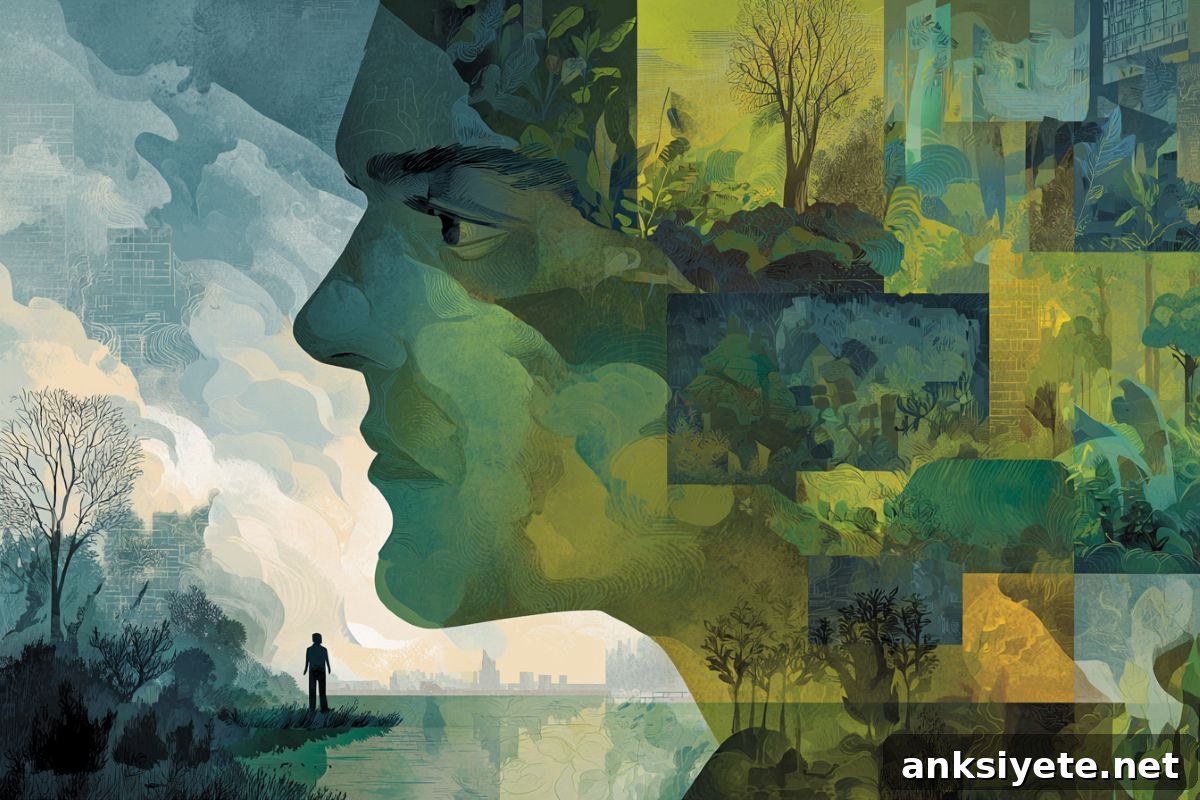
Summary: Biophobia—the growing tendency for people to feel fear, discomfort, or disgust toward nature—is becoming more common. A systematic review from Lund University shows these negative emotions arise from external forces like urban living and media portrayals as well as internal factors such as health, temperament, and limited experience with natural environments.
Reduced contact with nature can reinforce avoidance, blocking access to well-established physical and mental health benefits. The researchers recommend promoting early positive nature experiences and creating greener urban environments to help reverse this trend.
Key Facts
- Biophobia identified: Aversion to nature—manifesting as fear, discomfort, or disgust—is increasingly reported across ages and cultures.
- Multiple causes: Urbanization, media narratives, limited direct exposure, and individual health or emotional traits all contribute.
- Health and conservation impacts: Negative feelings toward nature reduce access to its restorative benefits and can undermine conservation support and sustainable behaviors.
Source: Lund University
Nature often supports wellbeing, recovery, and learning, yet a rising portion of the population reports negative responses to animals, plants, or natural settings. This aversion—termed biophobia—is the focus of a new systematic review led by researchers at Lund University.
“Previous research has usually emphasized that people naturally experience positive emotions toward nature. We examined the opposite: when people have negative relationships with natural environments—and why those relationships develop, what effects they produce, and how they might be changed,” explains Johan Kjellberg Jensen, lead author and researcher at Lund University.
The review synthesizes findings from nearly 200 scientific studies spanning environmental science, psychology, and the social sciences. Studies from multiple regions, including Sweden, Japan, and the United States, are included to provide a wide perspective on how and why biophobia emerges.
The evidence indicates that negative emotions toward nature are shaped by a combination of external and internal drivers. External drivers include urbanization, the design and accessibility of green spaces, and media stories that emphasize danger or disgust. Internal drivers include psychological traits, prior experiences, physical health, and limited knowledge about the natural world. When exposure to nature is scarce, a reinforcing cycle can form: unfamiliarity breeds anxiety, which leads to avoidance, which in turn reduces opportunities for positive encounters.
The authors note signals that human relationships with animals, plants, and broader nature may be weakening over time. In particular, they highlight how urban living and parental attitudes can influence children’s perception of risk—an important concern as more children grow up in cities and have fewer routine interactions with wildlife and natural places.
Contact with nature delivers documented benefits such as stress reduction, improved attention and school performance in children, and enhanced emotional wellbeing. Biophobia can prevent people from gaining these benefits and may also foster attitudes that work against conservation and biodiversity efforts. For example, unfounded aversion to harmless or beneficial species can limit public support for coexistence and restoration initiatives.
To address these problems, the review recommends a diverse set of interventions. Increasing safe, accessible green spaces in urban areas and enhancing biodiversity can create more opportunities for positive, everyday interactions with nature. Early, guided, and enjoyable nature experiences for children are particularly important. Educational initiatives that build knowledge and reduce misconceptions about species and ecosystems can also help lower fear and disgust responses.
“Biophobia is a multifaceted phenomenon that requires a flexible toolkit,” says Johan Kjellberg Jensen. “Some situations call for more exposure and education; others require reducing conflict points between people and nature. Better understanding of the mechanisms behind these negative emotions is essential to reversing the trend.”
Key Questions Answered:
A: Biophobia describes fear, discomfort, or disgust toward nature. It appears to be increasing due to factors like urbanization, reduced direct exposure to natural environments, and media narratives that emphasize danger or revulsion.
A: Avoiding nature limits access to its restorative effects—such as stress relief and cognitive benefits—and can foster attitudes and behaviors that hinder conservation, biodiversity support, and coexistence with wildlife.
A: Yes. Early positive nature experiences, more and better green spaces in urban areas, and educational efforts that build ecological understanding can help reduce biophobia over time.
Editorial Notes:
- This article was edited by a Neuroscience News editor.
- The journal paper was reviewed in full for this summary.
- Additional contextual information was added by editorial staff for clarity.
About this biophobia and psychology research news
Author: Lotte Billing
Source: Lund University
Contact: Lotte Billing – Lund University
Image: The image is credited to Neuroscience News
Original Research: Open access. “Toward a unified understanding of people’s aversion to nature: biophobia” by Johan Kjellberg Jensen et al., published in Frontiers in Ecology and the Environment. The study synthesizes evidence from 196 studies and proposes a unified framework for drivers, consequences, and treatments of biophobia.
Abstract
Toward a unified understanding of people’s aversion to nature: biophobia
Human–nature relationships are commonly described in positive terms, yet aversion to nature—biophobia—has received little systematic attention. Changing societal and environmental conditions may make negative relationships with nature more widespread, with consequences for public health and conservation.
This systematic review of 196 studies reveals fragmented knowledge across disciplines and regions. To address this fragmentation, the authors propose an integrated framework that summarizes the drivers, consequences, and potential treatments for biophobia. They call for more interdisciplinary collaboration, culturally and regionally sensitive research, and longitudinal studies that track changes over time. Expanding research beyond the animal species traditionally associated with fear or disgust will improve understanding of the full spectrum of human–nature relationships—from strong affinity to active aversion—and better inform conservation strategies.