
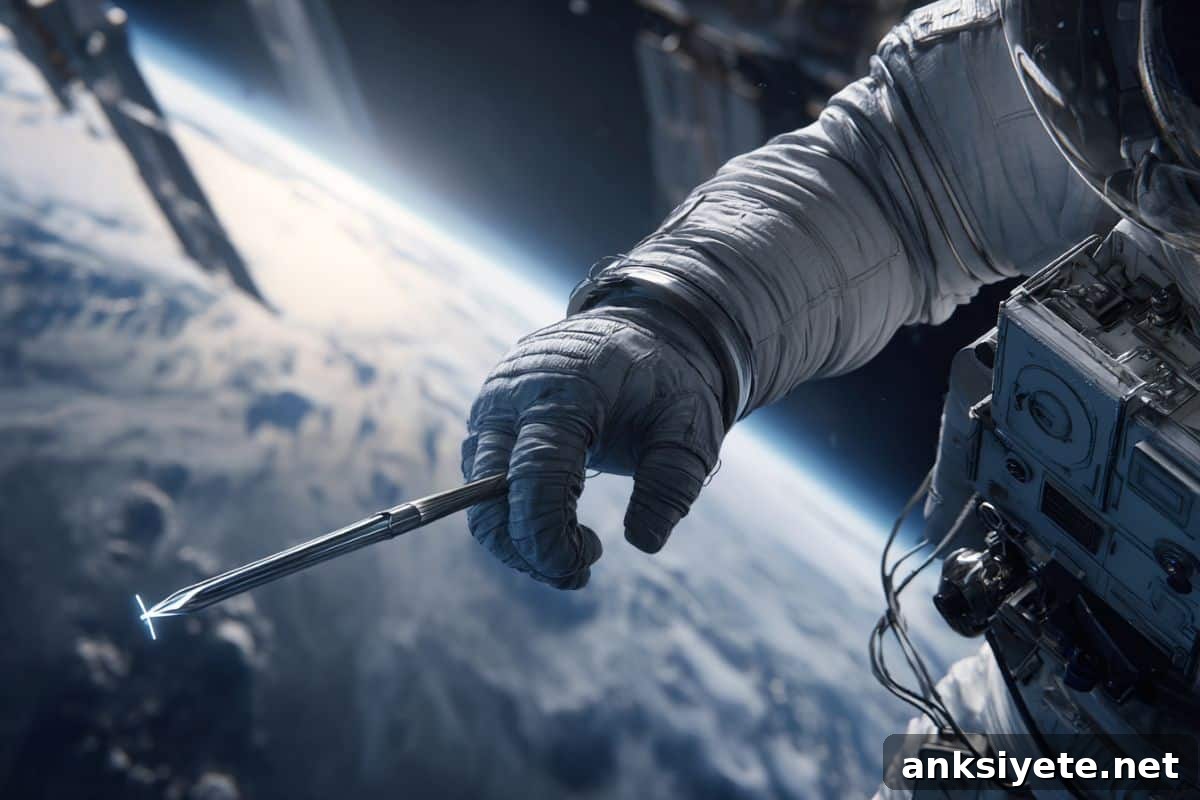
Summary: Even after months spent in microgravity, the human brain continues to expect Earth’s pull. A new study shows that astronauts consistently apply excess grip force to objects in space because their brains remain tuned to gravity’s presence.
Coordinating and analyzing this research took nearly 20 years. The results demonstrate that our internal model of gravity is deeply ingrained: it fades slowly during extended exposure to weightlessness and re-tunes gradually after returning to 1g.
Key Findings
- Gradual adaptation: Transitioning to microgravity does not flip an on/off switch in the brain. Control strategies for hand movement and grip evolve progressively over months.
- Slow re-acclimation to Earth: When astronauts return to Earth, their predictions about object weight and required grip force are initially inaccurate. Over days and weeks they recalibrate and regain normal manipulation performance.
- Predictive, risk-based control: Grip force is not purely reflexive. The brain uses long-term predictions about gravity and the perceived risk of dropping or losing an object to set how firmly we hold things.
- Decades-long effort: Philippe Lefèvre and colleagues emphasize the logistical and technical challenges of collecting reliable grip and movement data across spaceflights, a process that required extensive coordination with space agencies.
On Earth, people tighten their grip primarily to prevent objects from falling. In microgravity the object does not fall downward, but if the grip is too loose during movement, inertia can cause the object to drift or collide with surrounding surfaces. This change in consequence — from downward fall to free motion — alters how grip force should be applied, but the brain’s expectation of gravity persists for a long time.
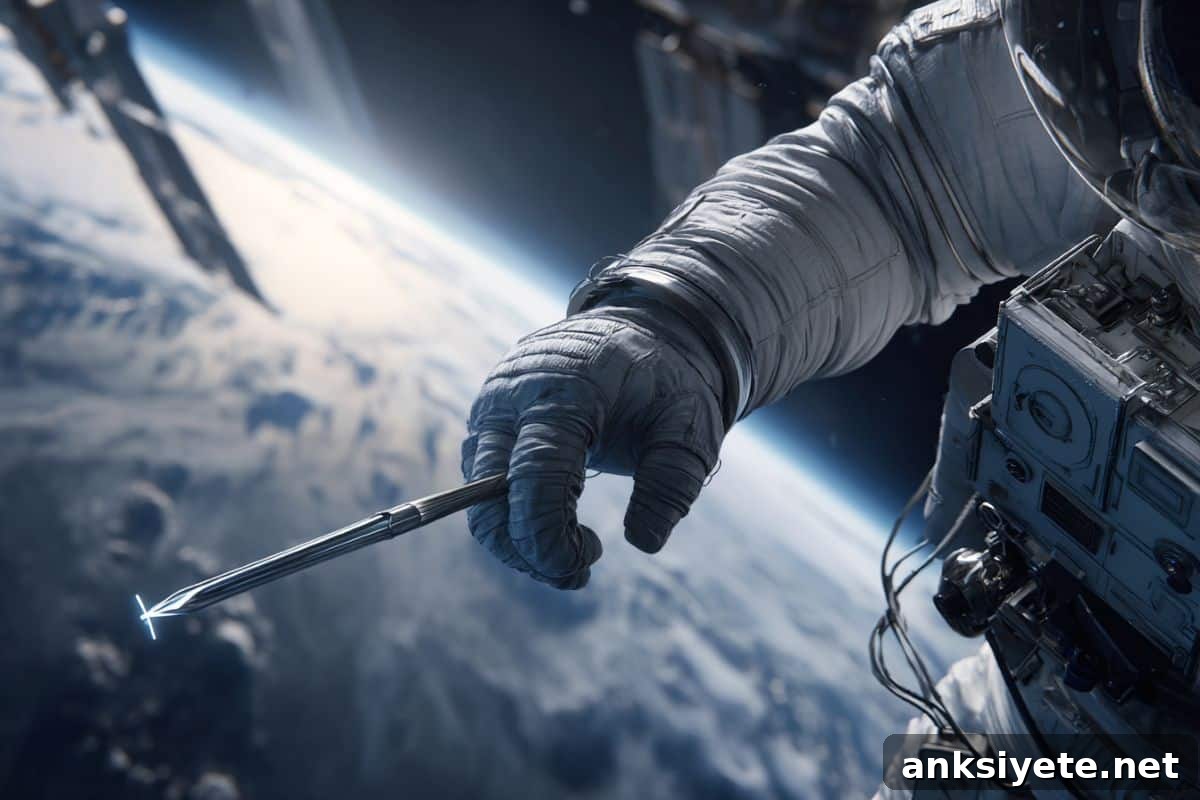
In the Journal of Neuroscience paper, Philippe Lefèvre and collaborators from Université catholique de Louvain and Ikerbasque examined how astronauts adjust their hand grip when moving between environments with and without gravity. The team tracked how grip force and manipulation strategies changed over the course of space missions and after re-entry to Earth gravity.
Their data show a persistent imprint of Earth’s gravity on motor planning: astronauts in microgravity tend to overcompensate by gripping objects more firmly than necessary. The effect is most pronounced during active movements, where the brain’s expectation of an object’s weight influences how it anticipates and controls hand force.
On return to Earth, astronauts initially misjudge the forces needed to handle objects. Rather than immediately reverting to pre-flight behavior, they regain normal grip control incrementally, indicating that the internal gravity model is updated gradually based on new sensory feedback and experience.
Beyond fundamental neuroscience, these findings have practical implications. Persistent over-gripping in space likely increases muscle workload and could contribute to fatigue. Understanding predictive control of grip can inform the design of tools, gloves, and operational protocols to reduce strain and improve safety during long-duration missions.
Lefèvre highlighted the study’s long timeline and technical hurdles: developing sensors that survive the space environment, coordinating payloads and flight schedules, and compiling years of data before robust analyses were possible. The research team plans to publish additional results addressing point-to-point movement accuracy, reactions to object collisions, and how skin friction influences grip adjustments.
Key Questions Answered:
A: It won’t fall downward, but it can drift away. Because of inertia, an object in motion tends to remain in motion. If the hand decelerates or changes direction and the grip is not secure, the object will continue moving and may collide with other surfaces or be lost.
A: Likely yes. Sustained overcompensation increases muscular effort. Recognizing this effect can guide the development of ergonomically optimized gloves and tools to reduce fatigue during missions.
A: The imprint is long-lasting. Even after several months in microgravity, the brain’s predictions remain influenced by Earth’s 1g environment. Adaptation is gradual rather than instantaneous.
Editorial Notes:
- This article was edited by a Neuroscience News editor.
- The journal paper was reviewed in full by the editorial team.
- Additional context was added by staff to clarify implications and methodology.
About this neuroscience research news
Author: SfN Media
Source: SfN
Contact: SfN Media
Image: Image credit to Neuroscience News
Original Research: The findings appear in the Journal of Neuroscience