
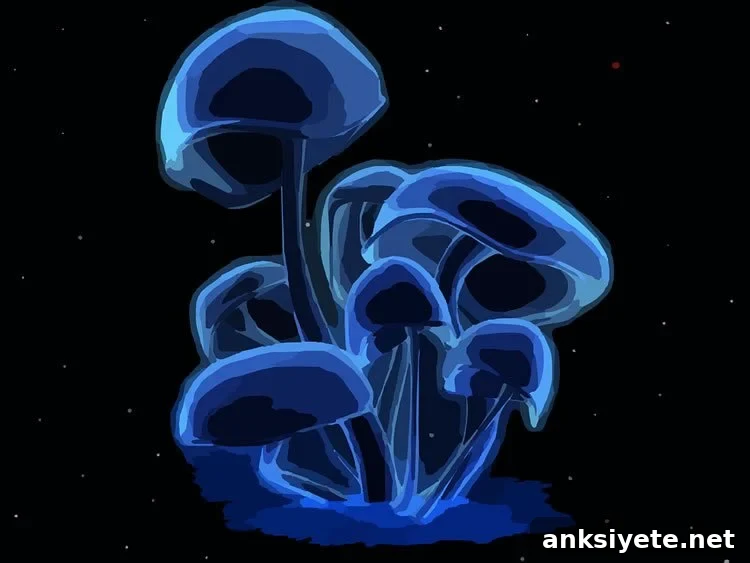
Summary: Researchers examined how psilocybin evolved in some mushroom species and conclude that hallucinogenic properties may have developed as a defense against insect predators.
Source: Ohio State University
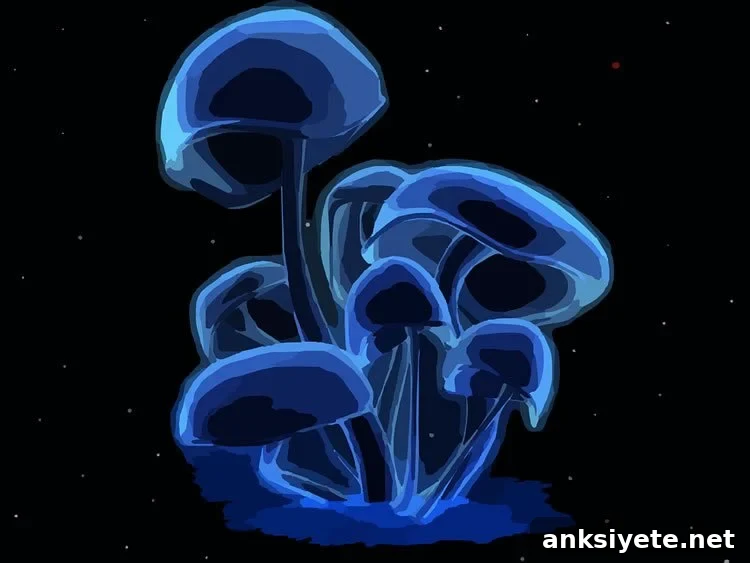
Psychedelic mushrooms may have evolved their “magical” effects to deter insects that eat fungi, new research suggests.
Scientists studying the evolutionary origins of psilocybin—the psychoactive compound found in so-called “magic” mushrooms—report that its appearance in diverse mushroom species likely reflects a combination of horizontal gene transfer and ecological pressure from fungus-eating insects. The findings help explain why unrelated fungi produce the same bioactive molecule and point to potential avenues for researching novel neurological therapies, said lead author Jason Slot, assistant professor of fungal evolutionary genomics at Ohio State University.
Psilocybin-producing mushrooms are scattered across different branches of the fungal family tree and, at first glance, do not seem closely related. From an evolutionary standpoint, that irregular distribution raised an important question: how did multiple, distantly related species come to produce the same compound?
The research team compared genomes from three species of hallucinogenic mushrooms with genomes from related, non-hallucinogenic fungi. They identified a conserved cluster of five genes linked to psilocybin production. Evidence suggests this gene cluster moved between species through horizontal gene transfer—a process where genetic material is exchanged between distinct organisms rather than passed down vertically from parent to offspring.
Slot and colleagues traced the likely ecological context for this exchange. The gene cluster appears to have been shared among fungi that commonly inhabit insect-rich environments such as animal dung and decaying wood. Those habitats expose fungi to intense pressure from invertebrate consumers—flies and other insects that feed on fungal tissue and compete for the same resources.
Psilocybin and its active metabolite psilocin influence serotonin receptors in mammals and invertebrates. In insects such as flies, interference with serotonin signaling is known to reduce appetite. The researchers therefore propose a biologically plausible hypothesis: by producing psilocybin, mushrooms could alter invertebrate feeding behavior and reduce the likelihood of being eaten.
“We speculate that mushrooms evolved hallucinogenic compounds not as poisons or deterrents based on taste, but as molecules that change the nervous-system-driven behavior of their consumers,” Slot explained. “In effect, these compounds could lower the chance of being consumed by manipulating how insects respond to the fungi.”
The study’s authors emphasize that the sharing of the psilocybin gene cluster among unrelated species is consistent with repeated transfer events in niches where these fungi co-occur. Dung and late-stage wood decay environments are rich in indole-based metabolites and host many mycophagous and wood-eating invertebrates; these conditions could select for chemical defenses that affect animal behavior.
Beyond evolutionary insight, the discovery has potential translational value. Psilocybin has reemerged in clinical research as a candidate treatment for several mental health conditions—including treatment-resistant depression, addiction, and anxiety associated with terminal illness. Although strict drug regulations have constrained research in some countries, a growing number of studies worldwide are exploring psilocybin’s therapeutic potential. Identifying the genes and pathways that produce psilocybin can inform bioengineering, synthetic biology, and the search for related compounds with novel neuropharmacological properties.
Other Ohio State researchers who contributed to the study include Hannah Reynolds, Vinod Vijayakumar, and Emile Gluck-Thaler. Collaborators from the University of Tennessee included Hailee Korotkin and Patrick Matheny. The work appeared in the journal Evolution Letters and presents openly accessible genomic data on hallucinogenic mushroom species that will support future studies in neurochemical ecology and neuropharmaceutical discovery.
Abstract (condensed)
Secondary metabolites often mediate interactions between species. Psilocin, derived from tryptophan, acts as a serotonin receptor agonist and can induce altered states of consciousness. Phylogenetically scattered groups of agaric fungi produce the psilocin prodrug psilocybin. Spotty distributions of such compounds can result from horizontal transfer of metabolic gene clusters among unrelated fungi sharing ecological niches. The study reports a psilocybin gene cluster in three hallucinogenic mushroom genomes and provides evidence for horizontal transfer between lineages. Patterns of gene distribution and transmission suggest psilocybin synthesis conferred a fitness advantage in dung and late wood-decay niches, which may serve as reservoirs of fungal indole-based metabolites that alter the behavior of mycophagous and wood-eating invertebrates. These genomes will serve as models for neurochemical ecology and the exploration of novel neuropharmaceuticals.
Research credits
Lead researcher: Jason Slot, Ohio State University. Publisher of the original science summary: NeuroscienceNews.com. Original peer-reviewed research published in Evolution Letters (open access), DOI 10.1002/evl3.42.