
Change your attitude. Change your behavior. Change your brain. Discussing the costs of pursuing the unrealistic thin beauty ideal reduces how much you value it.
Researchers at the Oregon Research Institute (ORI) report novel findings showing that a brief, dissonance-based eating disorder prevention program known as the Body Project changes how young women’s brains respond to images of extremely thin models. Earlier trials of the Body Project demonstrated reductions in pursuit of the thin ideal promoted by media. This new study offers the first objective evidence—using whole-brain fMRI—that a behavioral prevention program can alter neural responses to images thought to promote unhealthy body-image ideals.
The study, published in PLOS ONE by Eric Stice, Sonja Yokum, and Allison Waters, investigated whether completing the Body Project would reduce activation in brain reward regions—areas involved in valuing stimuli—when participants viewed photographs of very thin models versus average-weight models. At baseline, young women at high risk for eating disorders showed heightened activation in reward-related brain areas while viewing thin models. After the Body Project intervention, participants showed decreased reward-region responsivity to thin-model images and increased responsivity to images of healthy, normal-weight women. Women in the control condition did not show these neural shifts.
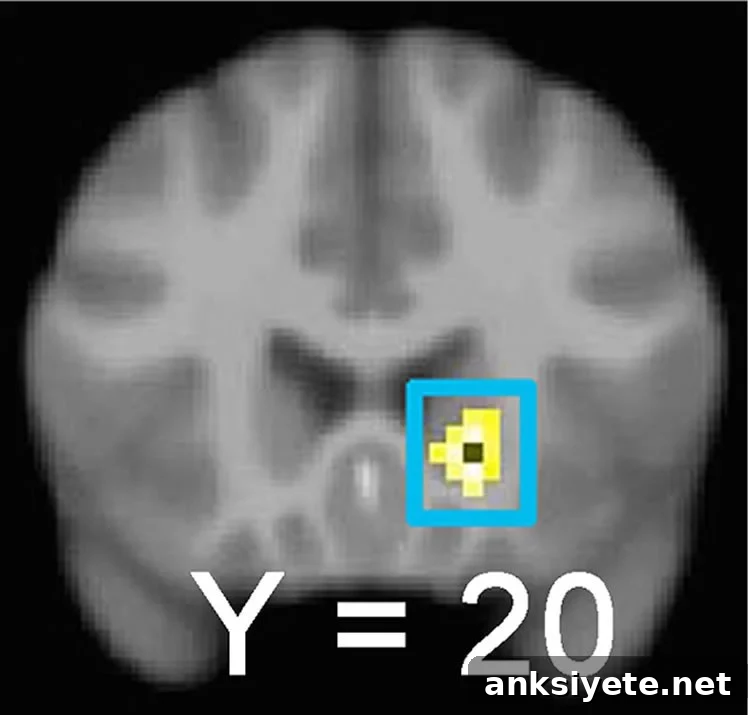
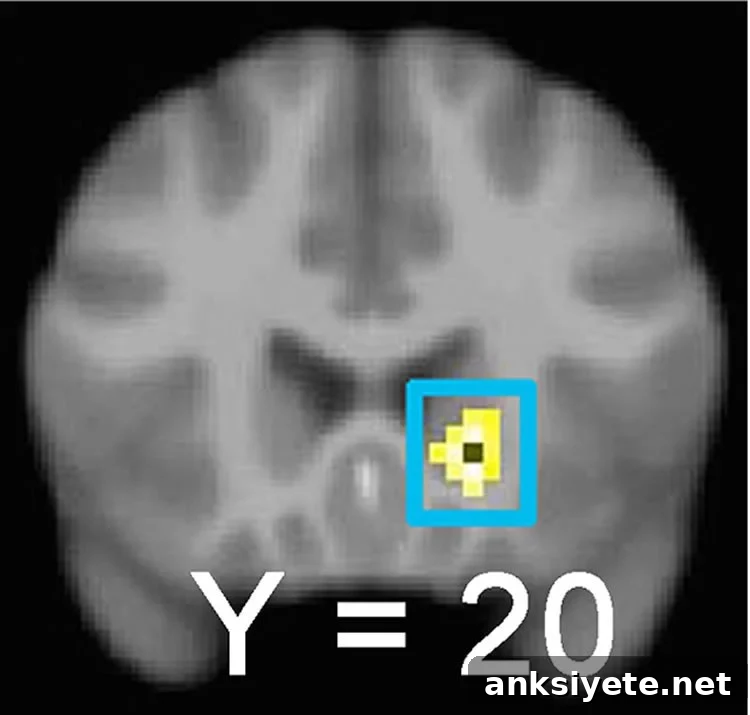
Whole-brain analyses identified reductions in the caudate—a key reward valuation region—among Body Project participants when comparing responses to thin versus average-weight models. Importantly, the degree of reduction in caudate and putamen response correlated with reductions in participants’ reported body dissatisfaction. These neural changes align with the intervention’s behavioral effects and support the theory that altering valuation of media images reduces risk factors for disordered eating and body-image disturbance.
The Body Project is a group-based prevention program in which young women engage in guided discussions and structured activities that critique the thin ideal. Through Socratic questioning and exercises that highlight the social, physical, and psychological costs of pursuing extreme thinness, participants generate counterarguments to the thin-ideal message. Randomized trials have repeatedly shown that this dissonance-based approach reduces thin-ideal internalization, body dissatisfaction, and eating disorder symptoms, and also lowers risk of future eating disorder onset over multi-year follow-ups. A variant of the program, Free Being Me, has been widely disseminated to reach millions of girls worldwide.
“These results are very exciting,” said Eric Stice. “They provide objective evidence that a group-based behavioral prevention program reduced responsivity of reward-valuation regions to images of thin models—images thought to contribute to the development of body image and eating disturbances. After completing the Body Project, young women showed increased valuation of normal-weight women and reduced valuation of very thin models. This is the first trial to use brain imaging to confirm that a behavioral intervention can change how the brain responds to stimuli implicated in a major mental health problem that disproportionately affects young women.”
Funding: This research was funded by the National Institute of Mental Health (NIMH) of the National Institutes of Health (NIH) under grant R01MH086582.
Source: Oregon Research Institute
Image Credit: Waters et al. / PLOS ONE
Original Research: “Dissonance-Based Eating Disorder Prevention Program Reduces Reward Region Response to Thin Models; How Actions Shape Valuation” by Eric Stice, Sonja Yokum, and Allison Waters, PLOS ONE, published December 7, 2015 (doi:10.1371/journal.pone.0144530).
Abstract
Dissonance-Based Eating Disorder Prevention Program Reduces Reward Region Response to Thin Models; How Actions Shape Valuation
Prior research supports a dissonance-based prevention approach in which young women with body dissatisfaction critique the thin ideal, leading to reduced pursuit of that ideal. The current trial tested whether this intervention changes neural valuation of thin models. High-risk young women were randomized to the Body Project or an educational control, and underwent assessments and fMRI while viewing thin and average-weight female models at pretest and posttest. Compared to controls, Body Project participants showed greater reductions in caudate response to thin versus average-weight models. Greater pre-post reductions in caudate and putamen response correlated with larger reductions in reported body dissatisfaction. These findings provide preliminary objective evidence that a behavioral prevention program can alter neural valuation of media images implicated in body dissatisfaction and eating disorders, supporting the intervention’s theoretical mechanism.