
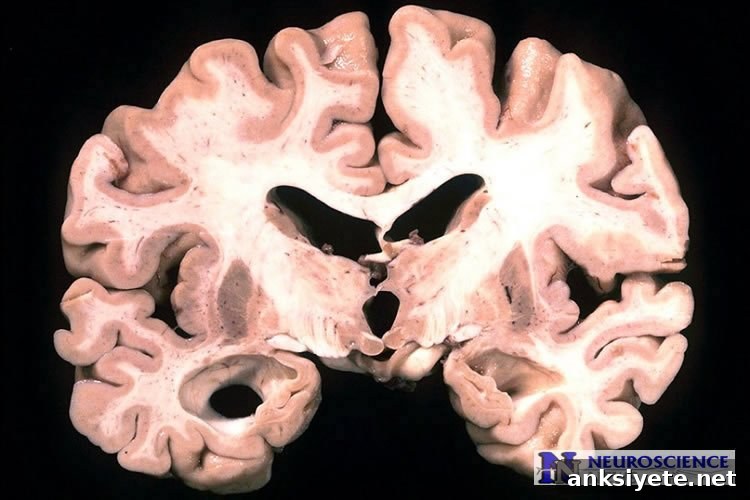
Summary: Researchers report evidence that newly identified protein assemblies in neuronal nuclei may play a central role in Alzheimer’s disease and could prompt hypotheses beyond the classical amyloid model.
Source: RUB.
Key factors that promote formation of potentially toxic nuclear structures in Alzheimer’s disease
Researchers led by Dr. Thorsten Müller of the Cell Signaling in Neurodegeneration group at Ruhr-University Bochum have demonstrated, for the first time in human brain tissue, the presence of spherical protein aggregates in neuronal nuclei — so-called nuclear spheres — that are suspected to be toxic in Alzheimer’s disease. The team reports these findings in the journal Neurobiology of Aging.
Nuclear spheres are far more abundant in Alzheimer’s brains
Comparative analysis of frontal cortex samples from individuals diagnosed with Alzheimer’s disease and age-matched healthy control subjects showed a pronounced and highly significant increase in the number of nuclear spheres in Alzheimer’s brain tissue. These structures were predominantly observed within neurons, while astrocytes did not show nuclear sphere accumulation.
The Bochum researchers extended their study to cell culture models to investigate how nuclear spheres form. Their experiments implicate the amyloid precursor protein (APP) in the generation of these nuclear inclusions. APP has longstanding links to Alzheimer’s pathology, and the team found that nuclear sphere formation is favored when APP lacks a phosphate group at a specific amino acid residue (APP T668). In addition, an APP-derived cleavage product was identified within the nuclear spheres, supporting an APP-related origin for these assemblies.
Phosphorylation state and regional vulnerability
The investigators report that reduced phosphorylation of APP at the T668 site is particularly evident in brain regions with a high load of amyloid plaques. Cell culture experiments further indicated that phosphorylation of APP mediated by the kinase JNK3 reduces the number of cells that develop nuclear spheres. These observations suggest a regulatory mechanism in which APP phosphorylation state influences nuclear sphere formation.
Lead authors Katharina Kolbe and Hassan Bukhari state: “We assume that nuclear spheres are toxic and contribute to the loss of neurons.” Based on their data, the authors propose that nuclear sphere generation represents a crucial and previously underappreciated mechanism in Alzheimer’s disease pathogenesis.
Implications for Alzheimer’s hypotheses and future therapies
Dr. Thorsten Müller emphasizes that these results may open the way for Alzheimer’s hypotheses that extend beyond the classical amyloid cascade model, which has dominated the field for over two decades. While further research is required, the team suggests that nuclear spheres and the APP-related processes that produce them could become important targets for future therapeutic strategies.
Funding: This research was supported by the German Research Foundation (MU3525/3), the Mercator Research Center Ruhr (MERCUR: AN-2013-0024), and the Research Funding of Ruhr-University Bochum Medical Faculty (F800-2014).
Source: Ruhr-University Bochum (RUB).
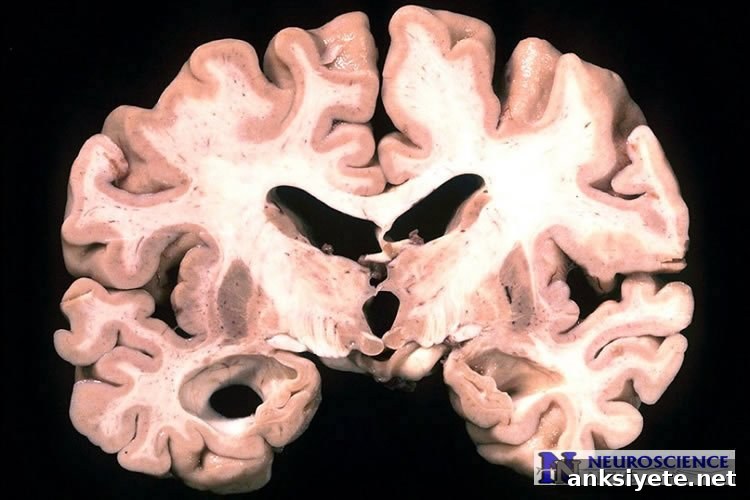
Image Source: NeuroscienceNews.com image used for illustrative purposes and noted as public domain in the original release.
Original Research: The study “Extensive nuclear sphere generation in the human Alzheimer’s brain” is authored by Katharina Kolbe, Hassan Bukhari, Christina Loosse, Gregor Leonhardt, Annika Glotzbach, Magdalena Pawlas, Katharina Hess, Carsten Theiss, and Thorsten Müller and was published in Neurobiology of Aging (published online August 18, 2016).
Abstract (revised summary)
Extensive nuclear sphere generation in the human Alzheimer’s brain
Background: Nuclear spheres are nuclear protein aggregates that include FE65, TIP60, BLM and additional proteins that are not yet fully identified. Prior studies examined these structures mainly in cell culture, and their presence in the human brain had not been established.
Method: The team used immunohistochemistry to detect nuclear spheres in human brain tissue and performed complementary cell culture experiments to investigate regulatory mechanisms that control their formation.
Results: Frontal cortex samples from Alzheimer’s disease patients showed a dramatic and statistically significant enrichment of nuclear spheres compared with age-matched control brains. Co-staining revealed that neurons were specifically affected, while astrocytes were not. Nuclear spheres were largely present in neurons lacking APP T668 phosphorylation. In cell culture, activation of JNK3-mediated APP phosphorylation reduced the proportion of cells with nuclear spheres.
Conclusion: These findings identify nuclear sphere formation as a new APP-derived hallmark in Alzheimer’s disease and suggest that such nuclear aggregates could be central to mechanisms underlying neurodegeneration.
The findings reported here refine understanding of APP-related processes in Alzheimer’s disease and highlight nuclear sphere formation as a potential focus for future mechanistic studies and therapeutic development.