
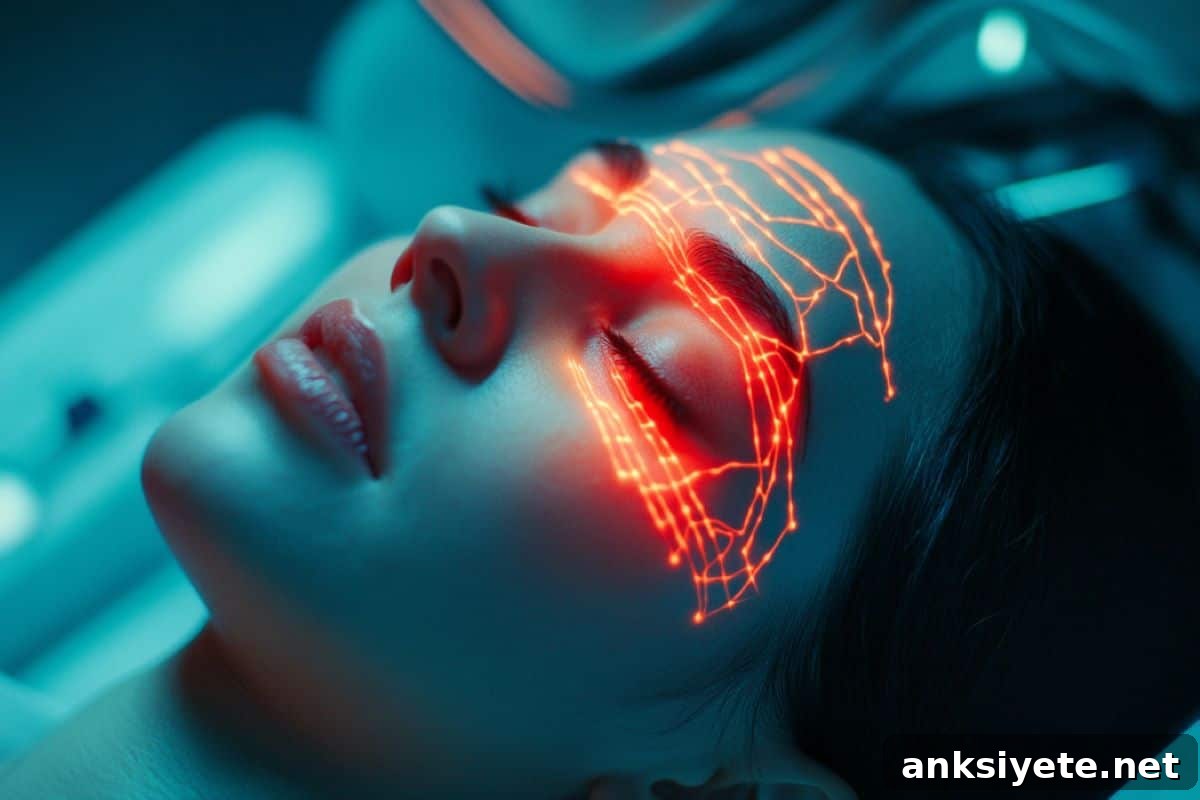
Summary: New research from the University of Birmingham shows that transcranial infrared light therapy, a form of photobiomodulation (PBM), can reduce inflammation and cell death after mild traumatic brain injury (mTBI) and improve functional recovery in animal models. Short, daily exposures to near-infrared light—particularly at 810 nm—reduced markers of neuroinflammation and apoptosis, and led to measurable gains in cognition and balance weeks after injury.
These findings point to a promising, minimally invasive therapeutic approach for mTBI, a condition for which effective clinical treatments are currently limited. The research team intends to translate their laboratory results into a medical device designed to deliver targeted transcranial PBM for patients with traumatic brain or spinal cord injuries.
Key Facts:
- Transcranial near-infrared light therapy (photobiomodulation) reduces inflammatory activation and markers of apoptosis after mTBI.
- Daily, brief PBM sessions improved cognitive performance and balance in animal models measured at four weeks post-injury.
- Among tested wavelengths, 810 nm produced the greatest functional recovery compared with 660 nm or combined treatments.
Source: University of Birmingham
University of Birmingham scientists demonstrate that transcranial light therapy can protect brain tissue and speed recovery after mild traumatic brain injury
Published in Bioengineering & Translational Medicine, this study evaluates the potential of transcranial photobiomodulation to limit the secondary injury processes that follow an initial head trauma. Secondary injury—driven by a cascade of inflammatory responses and biochemical changes occurring minutes to hours after the primary impact—can markedly worsen neurological outcomes. The Birmingham team developed a technique intended to reduce these harmful processes and promote better recovery.
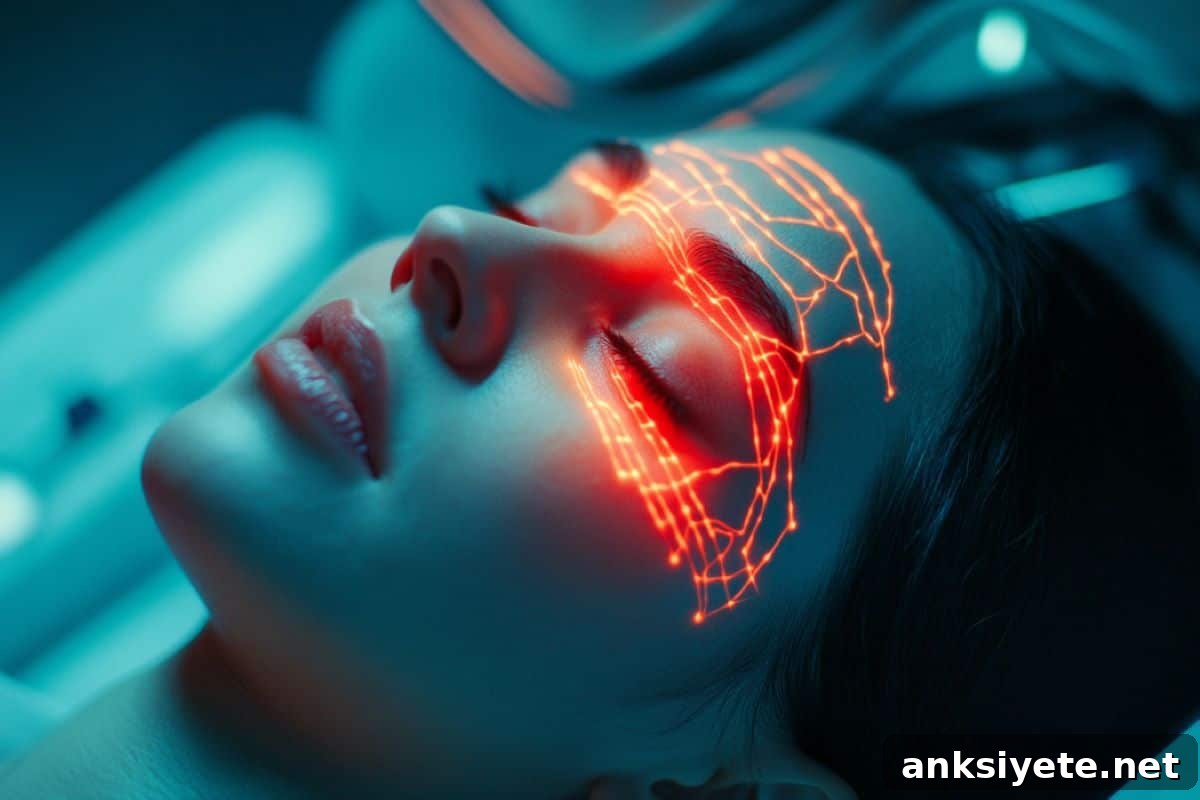
The device and protocol evaluated by the team—now patented by University of Birmingham Enterprise—deliver brief doses of near-infrared laser light transcranially to the cortical surface. In their preclinical study, researchers tested two wavelengths of light, 660 nm and 810 nm, using a weight-drop model of mTBI in adult rats. Optimized parameters were established through cadaveric calibration to ensure safe transcutaneous delivery to the cortex.
Animals received daily two-minute PBM treatments for three consecutive days after injury. Outcomes were measured behaviorally and histologically: cognitive performance was assessed using novel object recognition (NOR), balance and motor coordination were tested on a beam balance task, and brain tissue was examined for signs of structural damage, inflammation, and apoptosis.
Results showed clear benefits. All PBM-treated groups (660 nm, 810 nm, and combined 660/810 nm) demonstrated significant improvements in NOR and beam balance tests compared with untreated controls, with 810 nm producing the largest gains. Histological analysis did not reveal gross structural damage from the mTBI model, but immunohistochemistry identified significant reductions in activated CD11b+ microglia and GFAP+ astrocytes three days after injury. The researchers also observed decreased cortical localization of cleaved caspase-3, a marker of apoptosis, and modest reductions in extracellular matrix deposition in choroid plexus and periventricular regions.
Taken together, the data indicate that transcranial PBM—especially at 810 nm—can attenuate key pathological features of secondary brain injury, including neuroinflammation and programmed cell death, while improving later behavioral recovery. The findings align with earlier work showing PBM benefits when delivered to spinal cord injury sites, where it increased neuronal survival and stimulated regenerative processes.
Professor Zubair Ahmed, lead author of the study, commented that the team aims to convert these results into a clinical device to support recovery after traumatic brain and spinal cord injuries. The University of Birmingham researchers are seeking commercial partners to help develop and bring such a device to market.
About this TBI and neurotech research news
Author: Ruth Ashton
Source: University of Birmingham
Contact: Ruth Ashton – University of Birmingham
Image: Image credit: Neuroscience News
Original Research: Open access. “Photobiomodulation improves functional recovery after mild traumatic brain injury” by Zubair Ahmed et al., Bioengineering & Translational Medicine
Abstract
Photobiomodulation improves functional recovery after mild traumatic brain injury
Mild traumatic brain injury (mTBI) is a frequent outcome of head trauma, yet few interventions exist to actively promote brain recovery. Prior in vitro work showed that photobiomodulation (PBM) reduced apoptotic cell numbers in adult rat hippocampal slice cultures. Building on that, this study optimized PBM delivery for mTBI using cadaveric calibration to set transcutaneous doses for 660 nm and 810 nm lasers. In vivo, a weight-drop mTBI model in adult rats received daily optimized PBM doses (660 nm, 810 nm, or combined 660/810 nm).
Functional recovery was evaluated by novel object recognition and beam balance performance, while histology and immunohistochemistry assessed neuropathology. PBM at all tested wavelengths significantly improved behavioral outcomes, with 810 nm showing the strongest benefit. Histology found no obvious structural brain damage after mTBI, but immunohistochemistry indicated significantly reduced activation of CD11b+ microglia and GFAP+ astrocytes at three days post-injury. PBM also decreased cortical localization of cleaved caspase-3 and produced modest reductions in extracellular matrix deposition near choroid plexus and periventricular regions.
These results demonstrate that 810 nm PBM can optimally enhance functional outcomes after mTBI, lower markers associated with apoptosis and glial activation, and therefore represents a promising candidate for further development as a regenerative therapy.