Summary: The blood–brain barrier (BBB) is one of the body’s most effective protective interfaces, shielding the central nervous system from toxins and pathogens. That same protection, however, blocks more than 98% of small-molecule drugs and nearly all large-molecule therapeutics from reaching brain tissue. This barrier remains the primary obstacle to treating many neurological diseases, including Alzheimer’s disease, Parkinson’s disease and aggressive brain cancers such as glioblastoma.
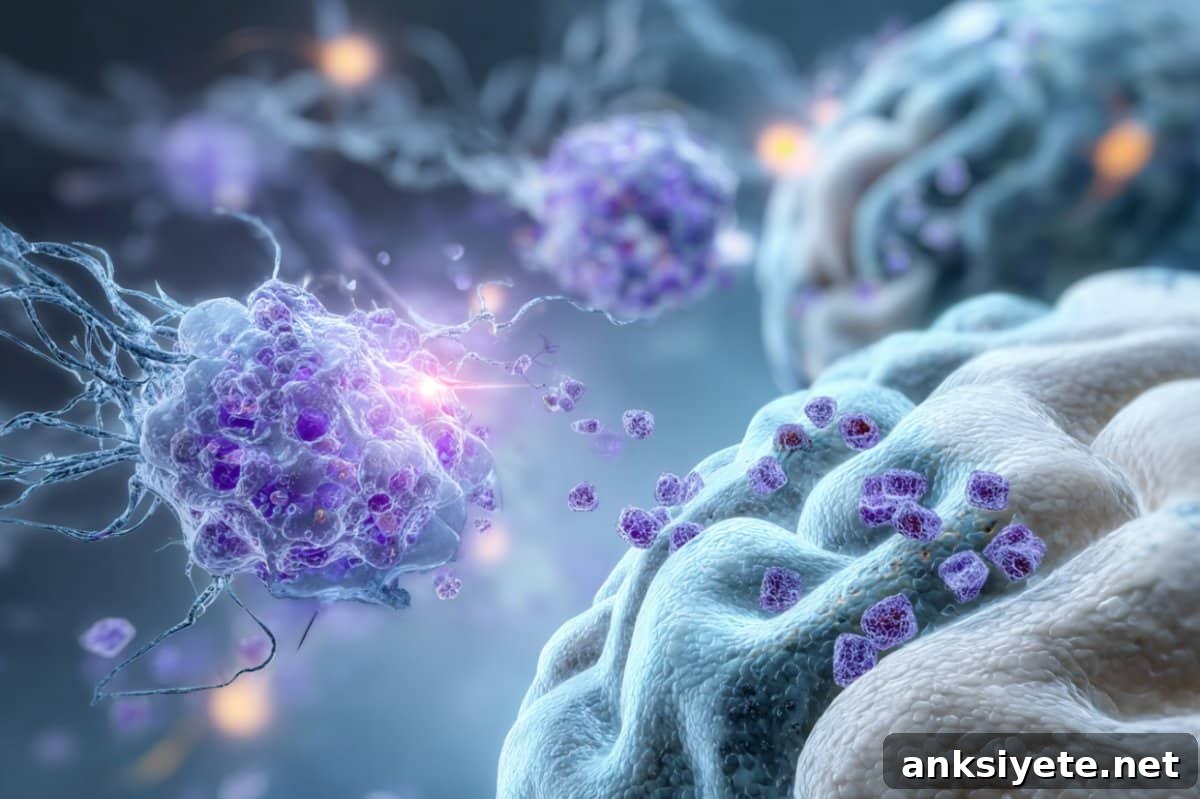
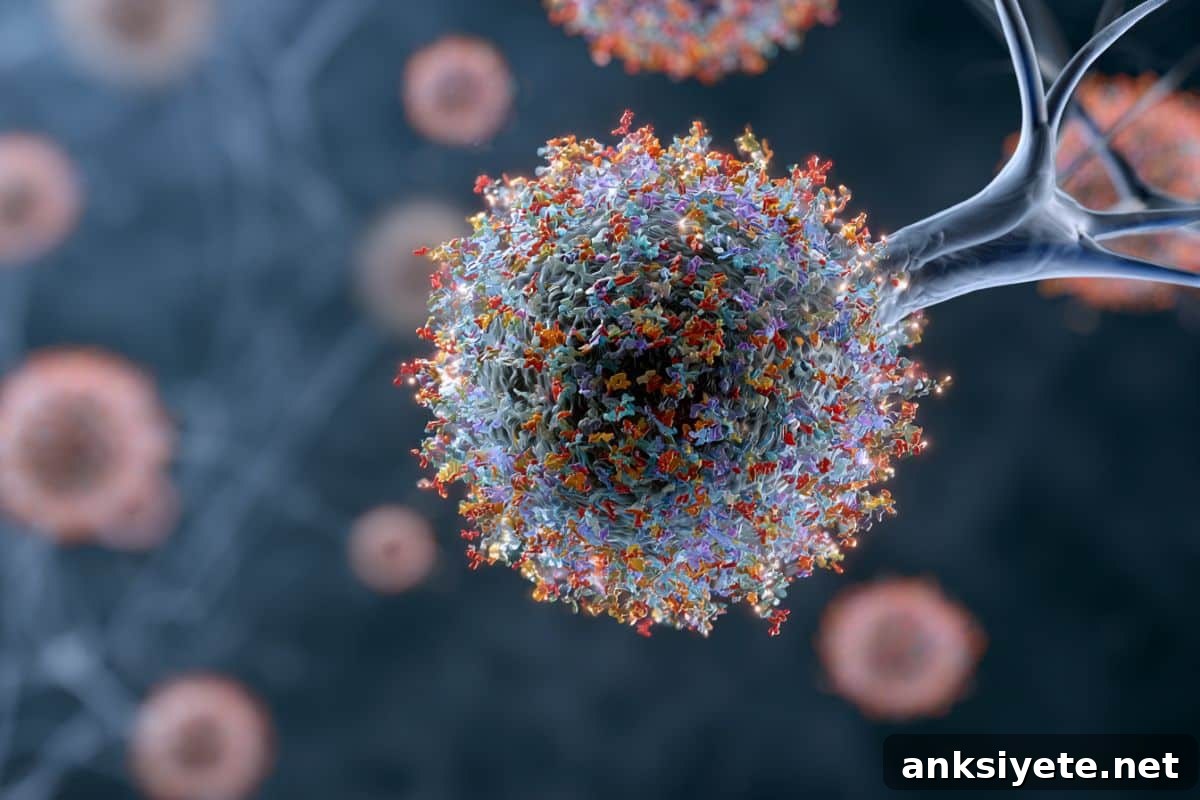
Nanomedicines—engineered nanoparticles intended to ferry drugs to the brain—hold real promise, but their behavior in the bloodstream has often been unpredictable. Immediately after injection, nanoparticles are coated by a complex layer of host blood proteins known as the protein corona. Traditionally viewed as an obstacle that masks targeting ligands and directs particles to clearance organs, the protein corona can instead be reframed as a programmable biological interface that guides nanocarriers through the cellular routes of the BBB.
An international team of researchers proposes this reframing in a new Perspective: rather than fight the corona, engineers can design nanoparticle surfaces to recruit beneficial blood proteins and exploit receptor-mediated transcytosis (RMT). By deliberately shaping the corona, nanomedicines can better engage endothelial receptors and travel across the barrier in a controlled, directional process.
Key Facts
- Shift from passive leakage to active transport: The Perspective emphasizes receptor-mediated transcytosis over reliance on passive passage through disrupted vessels, because RMT links surface recognition to directional intra-endothelial transport.
- Five-stage corona framework: The authors map brain-targeted nanomedicine delivery into five sequential stages—circulatory screening, endothelial receptor binding, internalization, intracellular trafficking and polarized exocytosis on the brain side—each of which influences overall success.
- The apolipoprotein “Trojan horse”: By tuning surface charge, lipid composition and chemistry, nanoparticles can selectively attract dysopsonins such as apolipoproteins or transferrin from a patient’s plasma. These recruited proteins form a self-assembled corona that can bridge nanocarriers to endothelial receptors like LRP1 or the transferrin receptor (TfR), promoting uptake.
- Intracellular remodeling matters: The corona continues to evolve after internalization. Blood-derived proteins can be stripped or exchanged for endosomal and intracellular proteins, and this remodeling dictates whether particles are recycled back into circulation, routed to lysosomes for degradation, or trafficked across the cell toward the brain.
- Translational challenges: Rodent models often overestimate delivery because of species differences in vascular architecture, and glioblastoma contains a mosaic of intact BBB and leaky blood–tumor barrier regions that cause uneven nanomedicine distribution.
- Toward precision patient matching: Future strategies will likely pair particle design to a patient’s plasma protein fingerprint and disease state using proteomics, machine learning and BBB-on-chip platforms to program the corona as a measurable, predictable quality attribute.
Source: Science China Press
The blood–brain barrier protects the brain but also prevents most medicines from reaching it. This protective function is the main constraint on treating many neurological disorders, including Alzheimer’s disease, Parkinson’s disease and malignant glioma.
Nanomedicines can, in principle, engage endogenous transport mechanisms at the barrier without disrupting its integrity. Yet in practice, their in vivo behavior is shaped by the immediate formation of a protein corona, which can hide designed targeting features or introduce new biological signals that alter distribution and clearance.
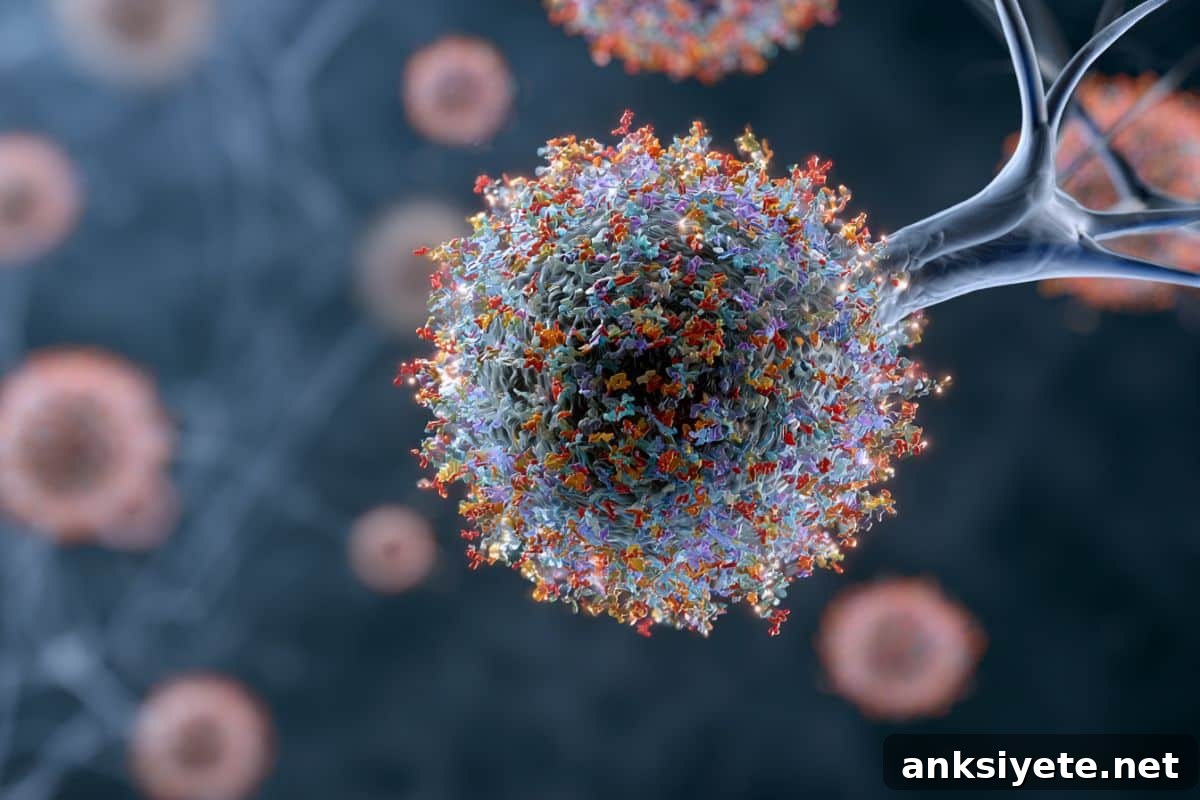
The Perspective by Changjian Xie, Iseult Lynch, Chunying Chen and Zhiling Guo describes how the corona can be treated not as a random cover but as a dynamic navigation interface. Importantly, the authors argue that successful delivery requires attention to the entire transcytosis pathway—not just uptake—because intracellular sorting and polarized release determine whether a therapeutic reaches brain tissue intact.
During circulation, coronas dominated by immune proteins tend to accelerate clearance, while coronas enriched with dysopsonins or receptor-facing proteins can increase circulation time and the likelihood of engaging BBB receptors. At the endothelial surface, recruited proteins such as apolipoproteins or transferrin can mediate specific interactions with receptors including LRP1 and TfR, promoting uptake via receptor-mediated endocytosis.
Inside the cell, the corona is remodeled: blood-derived components may be replaced by endosomal or cytosolic proteins, and this exchange influences sorting decisions—recycling back to the bloodstream, lysosomal degradation, or directed transport to the abluminal membrane for release into the brain. Designing nanocarriers to favor intracellular routes that lead to polarized exocytosis is therefore a central engineering challenge.
To influence corona composition, researchers can tune particle size, surface chemistry, lipid content and charge. “Recruitable corona engineering” intentionally designs surfaces to capture specific endogenous proteins, creating a biologically derived targeting layer. Other tactics include biomimetic pre-coating and protective shielding that extend circulation while keeping access to the receptors required for transcytosis.
Major translational hurdles remain: only a small fraction of injected nanomedicine reaches disease sites; the BBB and blood–tumor barrier impose extra constraints; active efflux mechanisms can remove cargo; and preclinical rodent models may misrepresent human delivery. Safety issues—including immune responses to common coatings like PEG—and scalable manufacturing and quality control also need rigorous attention.
Glioblastoma illustrates these difficulties: its lesions contain spatially mixed regions of intact BBB and permeable BTB, leading to variable exposure to nanomedicines within and between tumors. The authors call for better models, refined clinical trial endpoints and combined molecular profiling and imaging to guide development.
Looking forward, the authors envision precision corona design: matching nanocarrier surfaces to patient-specific plasma proteomes and disease phenotypes. Combining near-native corona capture, top-down proteomics, molecular simulations, artificial intelligence and BBB-on-chip systems could make the corona a controllable and testable feature of clinical nanomedicines for brain delivery.
By reframing the protein corona as a stage-aware, programmable interface, this Perspective offers a roadmap to make receptor-mediated transcytosis more predictable, controllable and clinically relevant for neurological therapeutics.
Key Questions Answered:
A: In vitro, nanoparticles present precisely engineered surfaces and ligands. In vivo, the bloodstream is full of proteins that adsorb onto those surfaces within milliseconds, forming a protein corona. This accidental coating hides engineered features and displays new molecular cues, causing immune recognition and rapid clearance by the liver or spleen rather than delivery to the brain.
A: Through recruitable corona engineering: by designing nanoparticle surface chemistry, charge and lipid makeup, researchers can bias adsorption toward beneficial endogenous proteins—such as apolipoproteins or transferrin—that naturally interact with BBB receptors. The particle then assembles a functional biological coat in situ that helps it engage receptor-mediated transport pathways.
A: Uptake into endothelial cells is only the first step. Once inside, particles are enclosed in endosomes where the cell’s sorting machinery decides their fate: recycle them back to blood, send them to lysosomes for degradation, or direct them across the cell to be released on the brain side. The evolving corona inside endosomes influences these decisions, so carriers must be engineered to withstand or manipulate intracellular remodeling to trigger polarized exocytosis toward the brain.
Editorial Notes:
- This article was edited by a Neuroscience News editor.
- Journal paper reviewed in full.
- Additional context added by our staff.
About this neurotech research news
Author: Siyun Qin
Source: Science China Press
Contact: Siyun Qin – Science China Press
Image: The image is credited to Neuroscience News
Original Research: Open access. “Navigating the transcytosis highway: engineering protein coronas for enhanced drug delivery across the blood–brain barrier” by Changjian Xie, Iseult Lynch, Chunying Chen, Zhiling Guo. Science Bulletin. DOI: 10.1016/j.scib.2026.05.040
Abstract
Navigating the transcytosis highway: engineering protein coronas for enhanced drug delivery across the blood–brain barrier
The blood–brain barrier functions as a highly selective interface between peripheral blood and brain tissue. While its protective role is essential, it blocks most therapeutics and remains a major limitation for treating neurological disorders such as Alzheimer’s disease, Parkinson’s disease and malignant glioma. Noninvasive strategies have various drawbacks—poor targeting, rapid clearance, off-target toxicity and variable efficiency—whereas nanomedicine offers a route to engage endogenous transport without damaging barrier integrity.
This Perspective outlines how designing and controlling the protein corona across circulation, receptor engagement, intracellular sorting and polarized release can make BBB transcytosis a more predictable and clinically relevant pathway for brain drug delivery.