
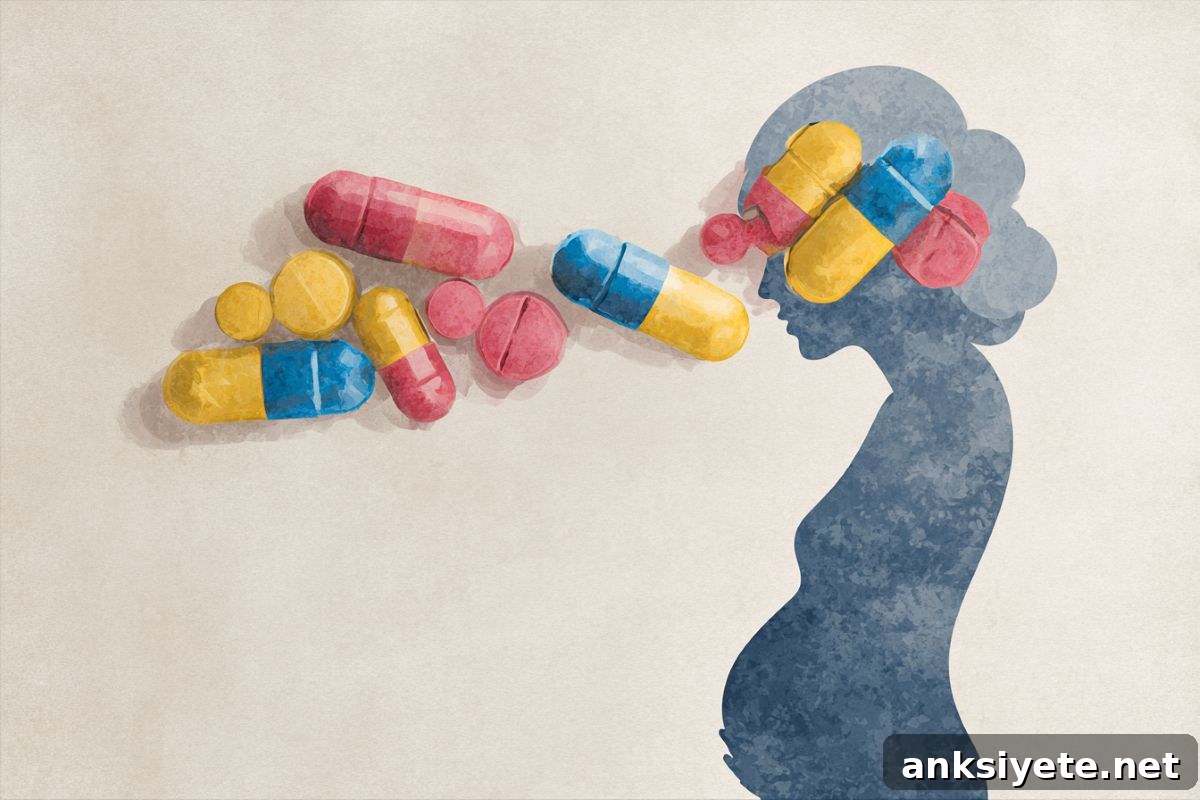
Summary: A nationwide analysis led by the University of Nebraska Medical Center (UNMC) found a significant association between prenatal exposure to a group of commonly prescribed medications and increased risk of autism spectrum disorder (ASD) in children. The study examined more than 6 million linked maternal-child health records—about one-third of U.S. births from 2014–2023—and focused on drugs that unintentionally inhibit the cholesterol (sterol) synthesis pathway during pregnancy.
Researchers report that prenatal exposure to medications with sterol biosynthesis–inhibiting effects (SBIMs) was associated with a substantially higher risk of ASD in offspring. The association showed a dose-dependent pattern: risk rose with each additional SBIM prescribed during pregnancy and was greatest when multiple such medications were used together.
Key findings
- Higher overall risk: Maternal prescription of at least one SBIM during pregnancy was associated with a 1.47-fold higher risk of a child being diagnosed with ASD after adjustment for potential confounders.
- Dose-dependent effect: Each additional SBIM co-prescribed increased ASD risk further (approximately 1.33 times per added SBIM), and simultaneous exposure to four or more SBIMs was associated with roughly a 2.33-fold increase in risk.
- Prevalence and trend: Use of these medications during pregnancy rose sharply over the study period, increasing from roughly 4–5% of pregnancies in 2014 to about 16.8% in 2023.
- Scope in diagnosed children: In the cohort, 234,971 children (3.8%) received an ASD diagnosis; among these, 35,152 (15.0%) had documented prenatal exposure to at least one SBIM.
Medications evaluated
The investigators grouped drugs by their common effect on sterol biosynthesis rather than by their clinical indication. The medications commonly identified as having sterol-inhibiting effects in the analysis include aripiprazole, atorvastatin, bupropion, buspirone, fluoxetine, haloperidol, metoprolol, nebivolol, pravastatin, propranolol, rosuvastatin, sertraline, simvastatin and trazodone. Many of these agents are widely prescribed in the United States.
Why sterol biosynthesis matters for fetal brain development
Cholesterol and related sterols are essential for normal embryonic and fetal development, and the fetal brain is especially rich in cholesterol. The developing brain begins endogenous sterol production around midgestation. Genetic disorders that disrupt sterol biosynthesis—such as Smith-Lemli-Opitz syndrome—are already known to be associated with high rates of neurodevelopmental disorders, including ASD. The study raises concern that medications which unintentionally interfere with sterol synthesis during pregnancy could produce milder biochemical effects that nevertheless have measurable impacts on neurodevelopment.
Interpretation and clinical context
Senior author Karoly Mirnics, MD, PhD, emphasized that these findings do not imply that the drugs are unsafe for nonpregnant adults. Many of the medications studied are effective and, in some cases, life-saving for treating psychiatric, cardiovascular and other conditions. The authors caution that pregnant patients should not discontinue or change prescribed treatments without consulting their clinicians. Rather than prompting abrupt changes in patient behavior, the study highlights a public health signal that should motivate careful re-evaluation of prescribing practices in pregnancy and development of safer treatment options when possible.
Proposed next steps
- Develop a comprehensive list of medications with demonstrated or suspected sterol pathway–inhibiting activity.
- Screen new and existing drugs for unintended effects on sterol biosynthesis as part of preclinical safety assessments.
- Increase provider education about potential sterol-disrupting effects of medications during pregnancy.
- Prioritize alternatives and risk–benefit discussions when discontinuation is not clinically feasible.
- Avoid co-prescribing multiple SBIMs during pregnancy when safe alternatives exist.
- Identify patients with genetic vulnerabilities in sterol metabolism who may be especially sensitive.
- Support further research to clarify biological mechanisms and reduce risk.
Funding and collaboration
The study used the Epic Cosmos national data platform and involved collaboration across UNMC departments including Pediatrics, Biostatistics, the Munroe-Meyer Institute and the Child Health Research Institute. Support came from UNMC/CHRI internal resources, the Dorothy B. Davis Foundation and the Nebraska Tobacco Settlement Fund.
Key questions answered
Q: Should I stop taking antidepressants or blood pressure medications if I’m pregnant?
A: No—do not stop or alter prescribed medications without medical supervision. Many of these drugs treat conditions that, if left uncontrolled, can harm both mother and fetus. This research is intended to guide clinicians in evaluating medication choices during pregnancy, not to encourage unsupervised discontinuation.
Q: Are these drugs “toxic”?
A: These medications are generally safe and effective for adults. The observed concern is specific to a sensitive developmental window during pregnancy when small biochemical changes in sterol metabolism could influence brain development.
Q: Why has exposure increased in recent years?
A: The study documents a rise in use that likely reflects broader public health trends: greater diagnosis and treatment of maternal mental health and cardiovascular conditions, and increased prescribing overall. The priority now is to identify medications within these classes that do not inhibit sterol biosynthesis so pregnant people can be treated safely.
Editorial notes
- This article was edited by a Neuroscience News editor.
- The journal paper was reviewed in full and additional context was added by staff.
About this autism and neuropharmacology research news
Author: John Keenan
Source: UNMC
Contact: John Keenan – UNMC
Image: The image is credited to Neuroscience News
Original research: Study published in Molecular Psychiatry by Eric S. Peeples, A. Jerrod Anzalone, Ran Dai, Elizabeth Reisher, Zeljka Korade and Karoly Mirnics. DOI and publisher citation available in the journal.
Abstract
Study suggests link between prenatal exposure to certain medications and increased autism risk
Cholesterol is essential during embryonic development, particularly for the developing brain. Disruption of the cholesterol biosynthetic pathway can result from pathogenic genetic variants or from exposure to certain prescription medications. This study examined the relationship between maternal prescription of medications known to interfere with sterol biosynthesis during pregnancy and the incidence of autism spectrum disorder (ASD) in offspring.
Using the Epic Cosmos database to query linked maternal and child health records for births from 2014 through 2023, with follow-up through December 2025, the investigators analyzed more than 6.13 million births and evaluated ASD incidence in relation to maternal prescriptions of medications that affect sterol biosynthesis. After adjusting for confounders, exposure to at least one SBIM during pregnancy was associated with a 1.47-fold increased risk of ASD. Risk increased with each additional SBIM co-prescribed and reached a roughly 2.33-fold increase when four or more SBIMs were prescribed simultaneously. The authors conclude that sterol biosynthesis–inhibiting medications may pose a developmental risk and recommend that these findings be weighed when considering prescriptions for pregnant patients.