
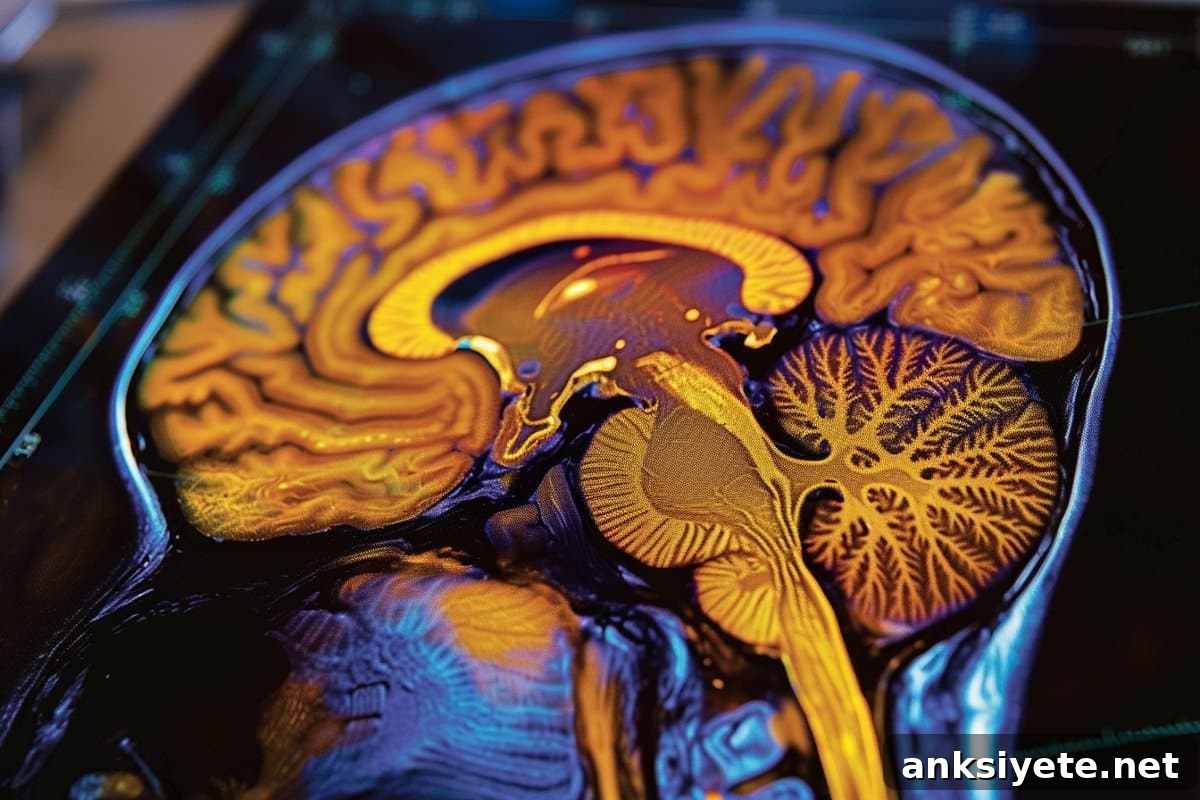
Summary: An international collaboration of 131 researchers from 105 laboratories across seven countries reports that altered brain pH and elevated lactate are common features in many animal models of neuropsychiatric and neurodegenerative disorders. The large-scale study points to disrupted brain energy metabolism as a shared endophenotype across conditions including schizophrenia, autism spectrum disorders, bipolar disorder, depression, and Alzheimer’s disease, and links these metabolic changes to impaired working memory.
Analyzing 109 strains or experimental conditions in mice, rats, and chicks (2,294 animals in total), the consortium found that roughly 30% of the models exhibited significant changes in brain pH and lactate levels. These metabolic alterations were observed across genetically based models and those produced by environmental manipulations, suggesting that the changes are intrinsic to disease biology rather than solely the result of medication or terminal factors. Behavioral analyses further associated higher brain lactate with poorer working memory, a hallmark of cognitive impairment in many disorders.
Key Facts:
- Widespread metabolic change: About 30% of the animal models showed significant deviations in brain pH and lactate, indicating a common disturbance in brain energy metabolism across diverse neuropsychiatric and neurodegenerative models.
- Association with cognition: Elevated lactate levels were predominantly linked to impaired working memory in the behavioral test battery, implicating metabolic dysfunction in key cognitive deficits.
- Implications for treatment: Identifying altered brain energy metabolism as a transdiagnostic endophenotype may guide development of therapies that target shared metabolic pathways across diagnostic categories.
Source: Fujita Health University
The paper, titled “Large-scale Animal Model Study Uncovers Altered Brain pH and Lactate Levels as a Transdiagnostic Endophenotype of Neuropsychiatric Disorders Involving Cognitive Impairment,” was prepared by the International Brain pH Project Consortium and submitted to Life. It synthesizes measurements of brain pH and lactate across a wide range of animal models relevant to neuropsychiatric and neurodegenerative illnesses.
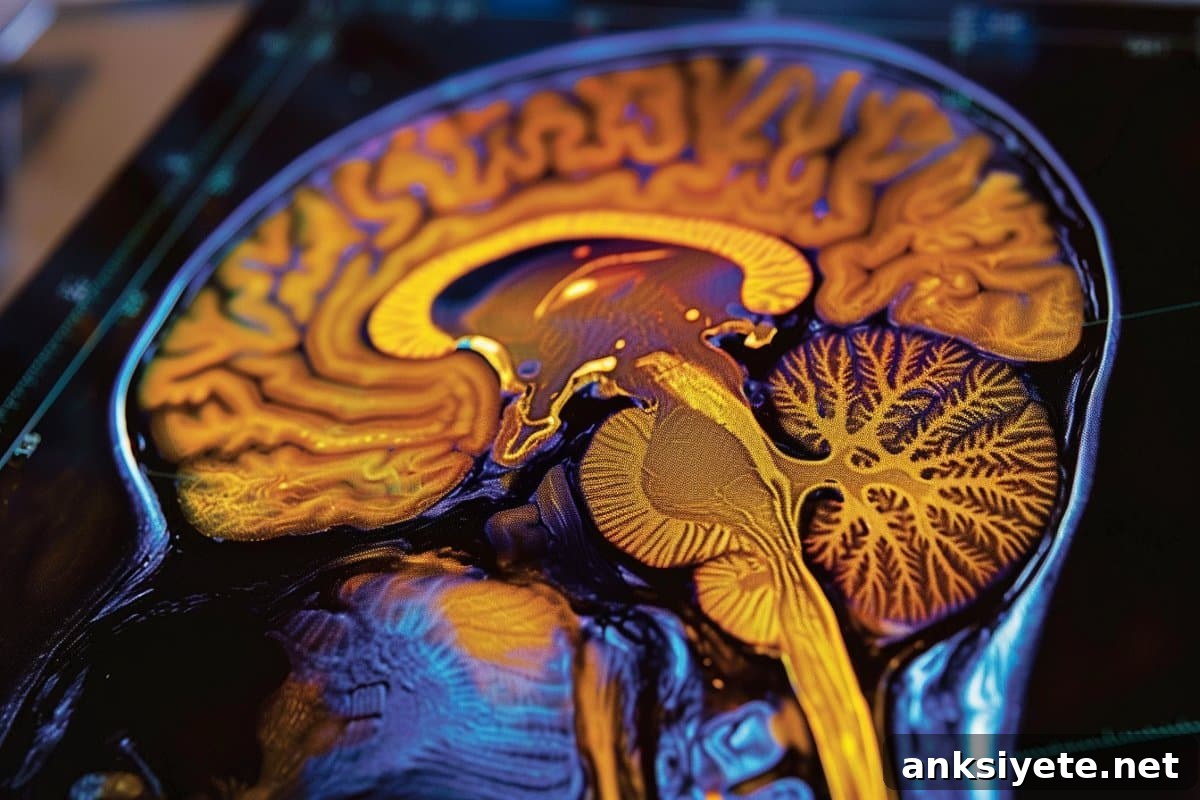
Previous work by members of the consortium had indicated elevated brain lactate and reduced pH in a small set of mouse models of schizophrenia, bipolar disorder, and autism, raising the possibility that these metabolic signatures represent a common biological feature rather than artifacts of medication or agonal state. This new, much larger study extends that observation to many more models and conditions, including depression, epilepsy, diabetes- and colitis-associated models, and Alzheimer’s disease models.
Key findings of the study include:
I. Common Phenomenon Across Disorders: Nearly one-third of the 109 models demonstrated significant brain pH decreases and lactate increases, indicating that disrupted energy metabolism is a recurring theme across multiple disorders.
II. Role of Environmental Factors: Models designed to mimic depression via psychological stress, and those modeling systemic illnesses such as diabetes or colitis (which are comorbid with depression), also showed decreased pH and elevated lactate, suggesting that acquired environmental and physiological stresses can induce similar metabolic changes.
III. Cognitive Impairment Link: By integrating large-scale behavioral testing with biochemical measures, the analysis found a robust association between higher brain lactate and poorer performance on working memory tasks, pointing to a direct connection between metabolic state and cognitive function.
IV. Replication in an Independent Cohort: The association between elevated lactate and working memory deficits was validated in an independent set of animal models, strengthening the reliability of the finding.
V. Complexity in Autism Models: Autism-related models displayed heterogeneous metabolic patterns—some showed decreased pH and increased lactate while others showed the opposite—consistent with the clinical heterogeneity observed across the autism spectrum and suggesting distinct metabolic subtypes.
“This is the first and largest systematic evaluation of brain pH and lactate across a wide array of animal models for neuropsychiatric and neurodegenerative disorders,” says Dr. Hideo Hagihara, lead author. “Our results provide a foundation for transdiagnostic characterization of disorders that include cognitive impairment.”
Professor Tsuyoshi Miyakawa, the corresponding author, adds, “These results could help identify shared therapeutic targets across disorders. Future work will focus on developing treatment strategies effective across models that exhibit altered brain pH, which may enable more personalized interventions for patient subgroups defined by specific metabolic profiles.”
Mechanistic questions remain open. While the study did not definitively identify why pH decreases and lactate increases occur, the authors note that lactate production commonly rises in response to increased neuronal activity to meet higher energy demand. Dysregulated excitation/inhibition balance could therefore underlie the observed metabolic signatures, but targeted mechanistic studies are needed to confirm causal pathways.
About this neuroscience and neurology research news
Author: Hisatsugu Koshimizu
Source: Fujita Health University
Contact: Hisatsugu Koshimizu – Fujita Health University
Image: The image is credited to Neuroscience News
Original Research (open access): Large-scale animal model study uncovers altered brain pH and lactate levels as a transdiagnostic endophenotype of neuropsychiatric disorders involving cognitive impairment, Hideo Hagihara et al., eLife
Abstract
Large-scale animal model study uncovers altered brain pH and lactate levels as a transdiagnostic endophenotype of neuropsychiatric disorders involving cognitive impairment
Lactate, the end product of glycolysis, increases with neuronal excitation and can lower local brain pH. Such metabolic shifts have been reported in patients with various neuropsychiatric disorders and were previously observed across a limited number of animal models. To assess how general this phenomenon is and whether metabolic changes relate to specific behavioral deficits, the International Brain pH Project Consortium measured brain pH and lactate in 109 strains/conditions encompassing genetic and experimentally manipulated models relevant to neuropsychiatric illness.
Systematic analysis of 2,294 animals revealed that decreased brain pH and increased lactate are common across models of depression, epilepsy, Alzheimer’s disease, and several models of schizophrenia and developmental disorders. While some autism models mirrored these changes, others showed opposite patterns, indicating metabolic heterogeneity within the autism spectrum. Multivariate analyses integrating behavioral batteries demonstrated that elevated brain lactate is predominantly associated with impaired working memory, an association that was replicated in an independent cohort. These findings support the idea that altered brain pH and lactate levels, potentially resulting from an imbalance in neural excitation and inhibition, constitute transdiagnostic endophenotypes linked to cognitive impairment across multiple disorders.