
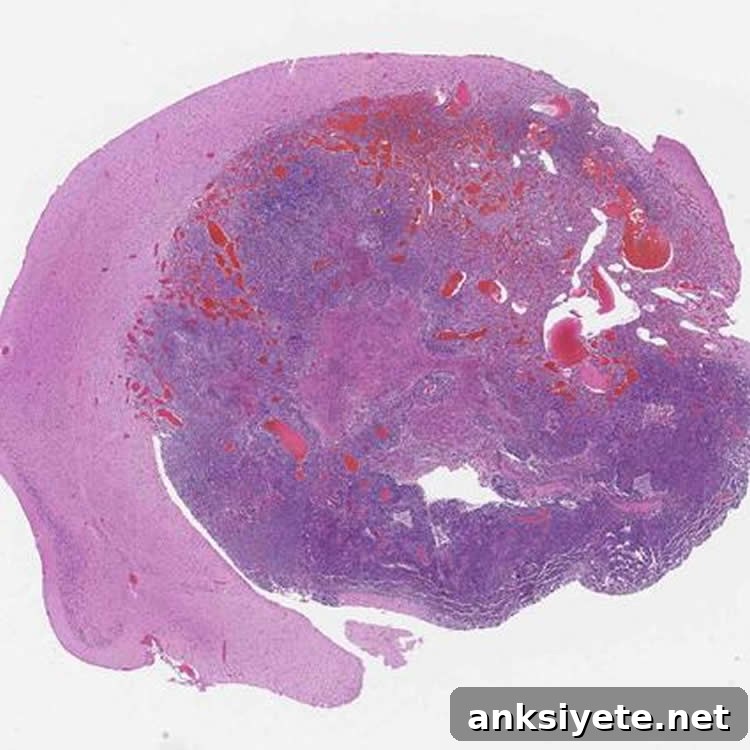
Summary: Using enhanced CRISPR gene-editing and in vivo screening, Yale researchers screened more than 1,500 genetic combinations to identify multiple gene drivers and therapy-resistant alterations that promote glioblastoma.
Source: Yale
From thousands of candidates, Yale scientists identify gene combinations that drive glioblastoma
A team led by researchers at Yale has pinpointed specific combinations of gene alterations that can initiate glioblastoma, the most aggressive and common primary brain tumor in adults. Their work, published Aug. 14 in Nature Neuroscience, demonstrates an improved, direct in vivo CRISPR screening method capable of revealing functional cancer drivers and potential mechanisms of treatment resistance.
Advances in sequencing have cataloged thousands of mutations associated with various cancers. Yet distinguishing which of those mutations—or which combinations—actually cause a tumor to form and progress remains a central challenge. In glioblastoma, for example, more than 223 different genes have been linked to the disease. Because individual patients’ tumors can harbor many concurrent alterations, the number of possible combinatorial interactions that might promote tumor growth is enormous, complicating efforts to identify the mutations most relevant for any given patient.
“The human cancer genome is now mapped and thousands of new mutations were associated with cancer, but it has been difficult to prove which ones or their combinations actually cause cancer,” said Sidi Chen, assistant professor of genetics and a member of Yale’s Systems Biology Institute and Yale Cancer Center. Chen is a co-corresponding author on the study. “Our approach can help determine which existing drugs are most likely to benefit individual patients, moving toward more personalized cancer therapies.”
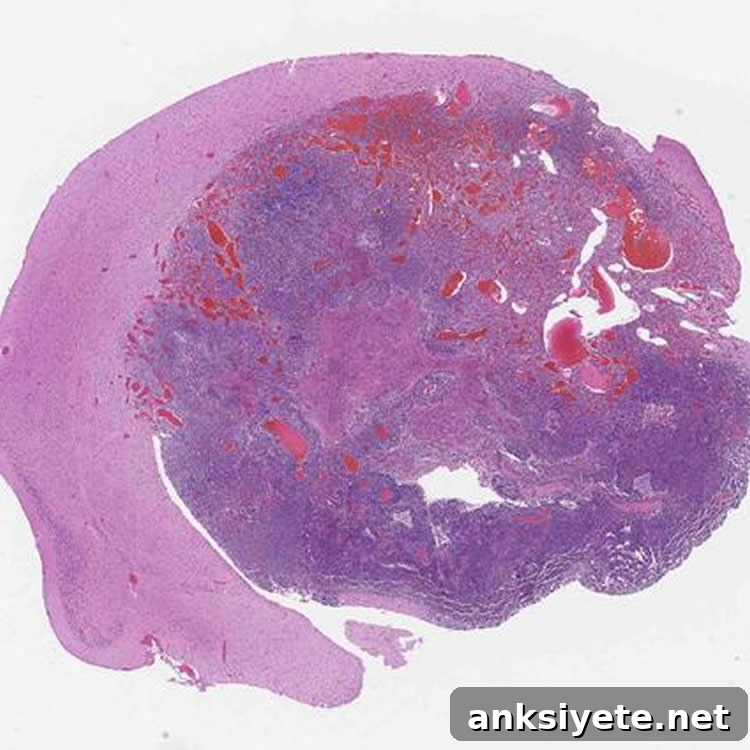
To find causal drivers of glioblastoma, Chen and colleagues adapted CRISPR genetic editing into an adeno-associated virus (AAV)-based screening platform that operates directly within the brains of live mice engineered to express Cas9. The researchers designed a library of guides targeting genes commonly altered in human cancers and delivered that library stereotaxically into the brains of conditional-Cas9 mice. This autochthonous, AAV-mediated CRISPR screen produced tumors that closely resemble human glioblastoma, enabling analysis of which mutations and mutation combinations promote tumor initiation and progression in a native tissue environment.
Across the screen, the team assessed more than 1,500 combinations of mutations and identified several combinations capable of driving glioblastoma formation. Capture sequencing of resulting tumors revealed diverse mutational profiles, and the mutation frequencies observed in the mouse tumors correlated with those found in independent human patient cohorts. By analyzing co-occurring mutations, the researchers highlighted specific driver pairs such as B2m–Nf1, Mll3–Nf1 and Zc3h13–Rb1; these combinations were further validated using smaller, focused AAV minipools.
In addition to identifying drivers of tumor formation, the study uncovered genetic alterations linked to chemotherapy resistance. Notably, the addition of mutations in genes such as Zc3h13 or Pten altered the transcriptional programs of Rb1-mutant tumors and made them less sensitive to temozolomide, a standard chemotherapeutic agent used against glioblastoma. The team also observed that Rb1-mutant tumors had distinct, undifferentiated features and abnormal expression of homeobox gene clusters compared with Nf1-mutant tumors, indicating that different driver combinations can produce tumors with distinct biological characteristics and therapeutic vulnerabilities.
This platform offers a scalable way to move from the catalog of cancer-associated mutations to functional, causal insights. By revealing which genes and gene combinations actively promote gliomagenesis and which confer treatment resistance, the approach can help prioritize therapeutic targets and inform strategies to match existing drugs to the specific genetic context of an individual patient’s tumor.
Randall J. Platt of ETH Zurich is a co-corresponding author. Co-first authors include Ryan D. Chow, Christopher D. Guzman, Guangchuan Wang and Florian Schmidt. Other contributors reported in the study include Mark W. Youngblood, Lupeng Ye, Youssef Errami, Matthew B. Dong, Michael A. Martinez, Sensen Zhang, Paul Renauer, Kaya Bilguvar, Murat Gunel, Phillip A. Sharp, Feng Zhang, and Sidi Chen.
Funding: Primary support for this research came from the Yale Systems Biology Institute and the National Institutes of Health.
Image credit: Chen Lab
Abstract (summary)
The authors developed an adeno-associated virus–mediated in vivo CRISPR screening approach to map functional suppressors and drivers of glioblastoma. Delivering a library that targets genes commonly altered in human cancers into the brains of conditional-Cas9 mice produced tumors that mirror human glioblastoma. Sequencing showed varied mutational landscapes across tumors, and the mutation frequencies in mice aligned with those seen in independent patient cohorts. Co-mutation analysis revealed recurrent driver combinations, which the team validated with focused AAV minipools. Rb1-mutant tumors displayed an undifferentiated state and aberrant homeobox gene expression distinct from Nf1-mutant tumors. Adding mutations in genes such as Zc3h13 or Pten modified the gene expression patterns of Rb1-mutant tumors and increased resistance to temozolomide. Overall, the study provides a functional in vivo map of suppressors and cooperating mutations in gliomagenesis.