
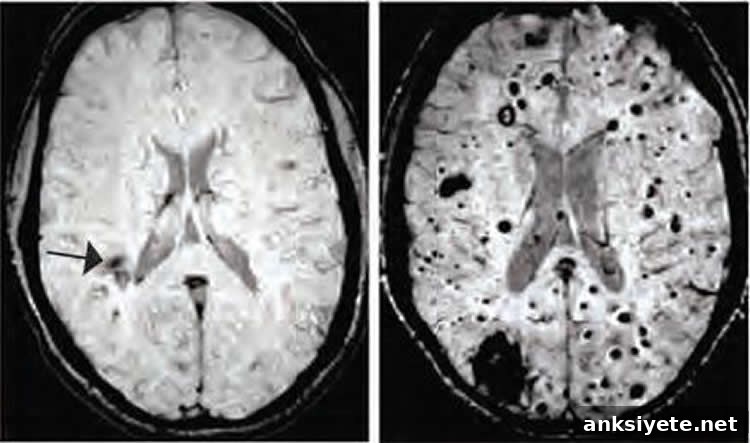
Summary: A preclinical, NIH-funded study links gut bacteria and innate immune signaling to cerebral cavernous malformations (CCMs), a genetic cerebrovascular condition that can cause seizures and stroke.
Source: NIH/NINDS.
NIH-funded preclinical research connects gut microbes and immune signaling with a genetic disorder that can lead to stroke and seizures.
New animal and human data show that microbes in the gut can influence the development of cerebral cavernous malformations (CCMs), clusters of fragile, dilated blood vessels in the brain that can bleed and cause seizures or stroke. Published in Nature and supported by the National Institute of Neurological Disorders and Stroke (NINDS) at the National Institutes of Health (NIH), this research identifies a surprising role for bacterial products and innate immune receptors in shaping cerebrovascular disease risk and severity.
Cerebral cavernous malformations form when brain endothelial cells lose a protein complex that normally restrains MEKK3–KLF2/4 signaling, but the upstream triggers for lesion formation were not fully understood. Investigators at the University of Pennsylvania used genetically engineered mice that reliably develop CCMs after a drug-induced gene deletion to explore environmental and immune factors that influence lesion formation.
The team discovered an unexpected variability in lesion formation after moving mice to a different facility: lesion frequency dropped dramatically. Further investigation revealed that the few mice still developing CCMs had abdominal bacterial abscesses containing Gram-negative organisms. When similar Gram-negative infections were induced experimentally, roughly half of the infected CCM-model mice developed significant cerebral lesions. This suggested that bacterial exposure outside the brain could promote lesion formation in genetically susceptible animals.
Gram-negative bacteria produce lipopolysaccharide (LPS), a potent activator of innate immunity via the Toll-like receptor 4 (TLR4) pathway. Injecting LPS alone reproduced the increase in CCM formation seen with infection, producing numerous large lesions in susceptible mice. Conversely, animals genetically lacking endothelial TLR4 were protected and did not form CCM lesions. Analysis of human genetic data showed that polymorphisms associated with increased TLR4 or CD14 expression correlated with greater CCM lesion burden in patients, linking findings in mice to human disease risk.
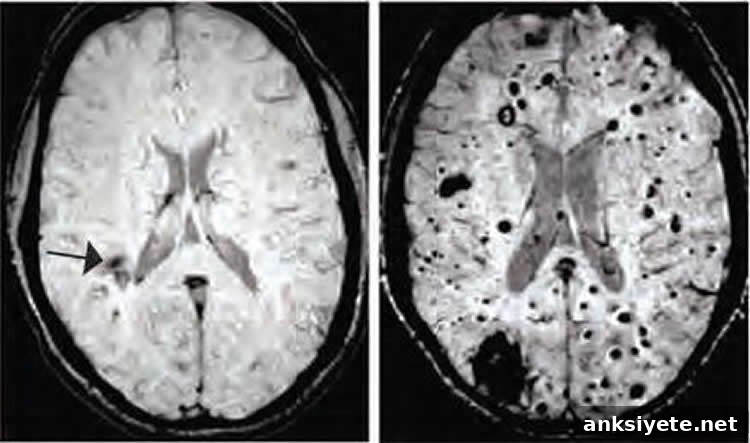
To test whether the gut microbiome itself controls susceptibility to CCMs, researchers manipulated the mice’ microbial communities in two ways. Raising newborn CCM-model mice in germ-free conditions dramatically reduced lesion formation compared with conventionally housed animals. A single course of broad-spectrum antibiotics that altered the gut microbial community likewise reduced lesion numbers, indicating that both the composition and presence of gut bacteria influence CCM risk. Finally, pharmacological blockade of TLR4 produced a marked decrease in lesion formation; this TLR4 antagonist has previously been evaluated in clinical trials for sepsis, raising the possibility that similar TLR4-targeted approaches could be repurposed to treat or prevent CCMs pending further study.
These results reveal an unexpected interaction between the microbiome and cerebrovascular disease: bacterial LPS, acting through endothelial TLR4, can accelerate CCM formation in genetically predisposed individuals. The work highlights how non-genetic, systemic factors—such as gut microbes and circulating bacterial products—can modify the course of a genetic disorder and points to new avenues for therapeutic intervention.
Investigators caution that additional research is needed before translating these findings into clinical practice. Future studies will explore whether differences in the microbiomes of human patients with identical CCM-causing mutations help explain the wide variability in lesion number and severity, and whether modulating gut bacteria or blocking TLR4 signaling can safely reduce lesion progression in people.
Funding: This work was supported by the NINDS (NS092521, NS075168, NS100252, NS065705), the National Heart, Lung, and Blood Institute (HL094326, HL07439), NIDDK (DK007780), the DFG (German Research Foundation), Penn-CHOP, and the National Health and Medical Research Council, Australia.
Source: Carl P. Wonders – NIH/NINDS. Image credit: Kahn lab.
Endothelial TLR4 and the microbiome drive cerebral cavernous malformations
CCMs are a cause of stroke and seizure for which no effective medical therapies yet exist. Loss of an endothelial adaptor complex that restrains MEKK3–KLF2/4 signaling underlies CCM formation, but upstream activators were unclear. The study identifies endothelial TLR4 and the gut microbiome as critical drivers of CCM formation: activation of TLR4 by Gram-negative bacteria or lipopolysaccharide accelerates lesion development, while genetic or pharmacologic blockade of TLR4 prevents CCM formation in mice. Human polymorphisms that increase TLR4 or CD14 expression associate with higher lesion burden. Germ-free housing protects mice from CCMs, and a single antibiotic course can permanently alter susceptibility. These findings reveal roles for innate immune signaling and the microbiome in cerebrovascular disease and suggest potential strategies for treatment.
This summary reports on preclinical and translational research; clinical applications will require further validation in human studies and trials.