Summary: 2016 was a landmark year for neuroscience reporting. Below are the twenty most popular neuroscience stories we covered last year.
Source: NeuroscienceNews
Top 20 Most Popular Neuroscience Articles of the Year
As 2017 begins, we reviewed the neuroscience stories that drew the most reader attention in 2016. This list is based on readership, shares and engagement across social networks and is intended to highlight the articles our audience found most compelling—not to rank the scientific importance of the work itself.
Thank you to all our readers for following, sharing and discussing neuroscience research throughout the year.
1 – Depression Is Not Just a Mental Illness, It Affects the Whole Organism
Researchers reported that depression may involve systemic changes beyond the brain, including increased oxidative stress and reduced antioxidant defenses. Treatment normalized markers such as malondialdehyde, suggesting biological processes throughout the body play a role in mood disorders.
2 – Researchers Identify Virus and Two Types of Bacteria as Major Causes of Alzheimer’s
An international team linked Alzheimer’s development to a dormant virus and two bacterial types, proposing that microbial activity—potentially triggered by iron dysregulation—might contribute to neurodegeneration. The study suggests that addressing microbial and iron factors could open new treatment paths.
3 – Chronic Fatigue Syndrome Is Not in Your Head, It’s in Your Gut
Researchers found biological markers for chronic fatigue syndrome in blood and gut microbiota, lending weight to the view that CFS has measurable physiological components. Whether microbiome changes are a cause or consequence of the illness remains to be determined.
4 – Heavy Cannabis Use Associated With Reduced Dopamine Release
A study linked long-term heavy cannabis use to reduced dopamine release in the striatum, a brain region important for attention and working memory. This result parallels findings usually associated with harder substances and raises questions about long-term cognitive effects of heavy marijuana use.
5 – Cognitive Offloading: How the Internet is Increasingly Taking Over Human Memory
Researchers examined how reliance on the internet as an external memory affects learning and recall. They found that repeated use of digital aids increases our tendency to offload memory tasks to technology, which can alter how we store and retrieve information.
6 – Human Behavior Study Identifies Four Basic Personality Types
A behavioral study proposed that most people fit into one of four personality clusters—trusting, envious, pessimistic and optimistic—with envious-types making up the largest share. The authors discussed potential applications for social psychology and human-like robotics.
7 – Head Impacts Lead to Brain Changes in High School Football Players
After a single season, high school football players showed measurable changes in both white and gray matter correlated with head impacts. Researchers plan larger and longitudinal studies to assess potential long-term consequences.
8 – This is Your Brain on LSD
Neuroimaging of volunteers under LSD revealed brain activity patterns associated with visual hallucinations and altered perception. The study sheds light on how psychedelic drugs affect consciousness and might inform therapeutic uses for mood disorders.
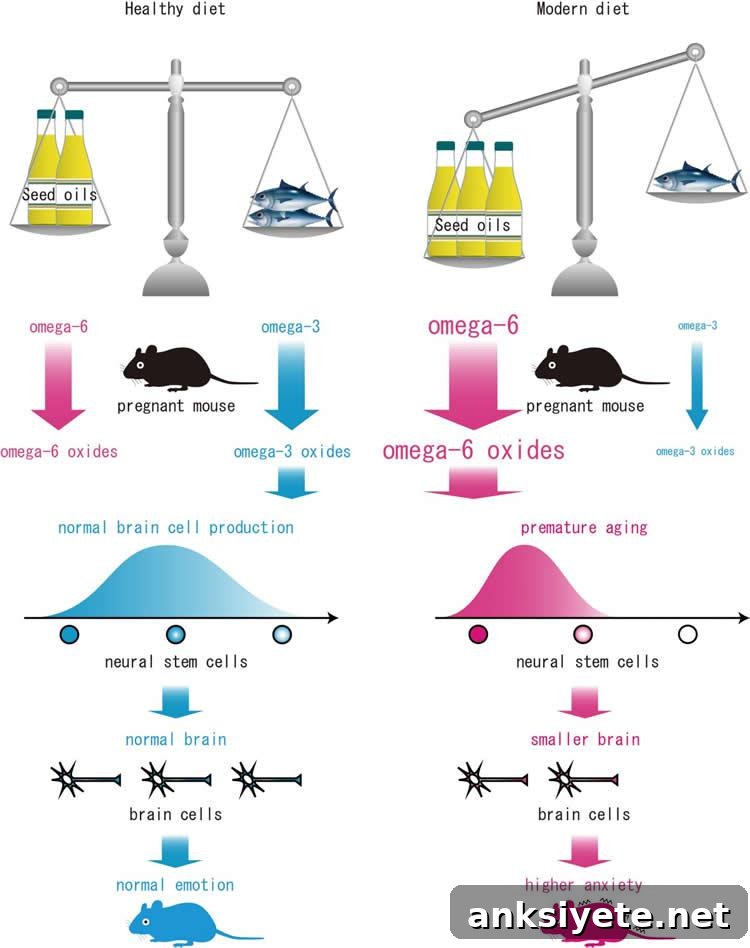
9 – Eating Fish While Pregnant Improves Baby’s Brain Development
Research highlighted the importance of dietary lipids from fish for fetal brain development. Investigators recommended increased fish consumption during pregnancy to support normal brain formation and long-term cognitive health.
10 – Dietary Supplement May Prevent and Reverse Damage to Aging Brain
A complex dietary supplement containing many vitamins and minerals showed promise in preventing and possibly reversing age-related brain cell loss in experimental studies. The authors suggested implications for neurodegenerative disease prevention.
11 – Manipulation of Specific Neurons Helps to Erase Bad Memories and Enhance Good Ones
Using optogenetics to modulate acetylcholine, researchers were able to weaken negative memories and strengthen positive ones in animal models. This approach may inform future treatments for PTSD and memory disorders.
12 – Single Species of Gut Bacteria Can Reverse Autism Related Social Behavior: Mouse Study
In mouse models, a strain of Lactobacillus reuteri found in human breast milk improved social behaviors linked to autism. The findings raise the possibility that specific gut microbes influence social development, though human studies are needed.
13 – Rhythm of Breathing Affects Memory and Fear
Northwestern researchers linked inhalation and exhalation phases to different neural activity in the hippocampus and amygdala, affecting emotional judgment and memory recall. The study suggests breathing rhythm can modulate perception and memory strength.
14 – How LSD Affects Language
Under LSD, participants showed more semantic errors when naming objects—calling a car a “bus,” for example—though response times were unchanged. The study suggests psychedelics may broaden access to distant associations in the brain, with possible therapeutic implications.
15 – Broca and Wernicke Are Dead – It’s Time to Rewrite the Neurobiology of Language
A paper challenged the classic Broca–Wernicke model of language, arguing that language functions are more distributed and integrated with general cognitive systems than the traditional map suggests. The authors called for a revised framework to guide future language research.
16 – Brain Structure That Tracks Negative Events Backfires in Depression
University College London researchers found altered habenula activity in people with depression. Instead of responding to adverse events in the typical way, habenula activity decreased, suggesting this region behaves differently in depressive disorders.

17 – How Neurons Talk to Each Other
An accessible primer on neurotransmission proved popular with educators and students. The article explains synapses, neurotransmitters and how neurons communicate to support behavior, perception and cognition.
18 – Our Brains Have a Basic Algorithm That Enables Our Intelligence
Researchers described a simple computational algorithm that underlies many complex brain functions and aspects of intelligence, noting exceptions in systems like reward processing. The finding highlights how basic principles can scale to sophisticated cognition.
19 – Religious Beliefs Activate Neural Reward Circuits in Same Way As Sex and Drugs
A neurotheology study found that intense spiritual experiences activate the nucleus accumbens, a key reward center, similarly to other pleasurable stimuli like music, sex or drugs. The work explores neural correlates of spirituality and reward.
20 – How the Hippocampus Influences Future Thinking
Research from Boston University Medical Center highlighted the hippocampus’s role beyond memory—showing it also contributes to imagination and planning for the future. This work connects memory systems with prospective cognition.
We hope this roundup of 2016’s most-read neuroscience stories was useful. We look forward to bringing you more rigorous research coverage and insightful reporting throughout 2017.
About this article
Source: Victoria Driscoll – Neuroscience News
Image credit: NeuroscienceNews
Suggested citation (no link): NeuroscienceNews.com, “Top 20 Neuroscience News Stories of 2016,” January 4, 2017.