
Summary: Two new studies strengthen the evidence linking gum disease to the development of Alzheimer’s disease. The research examines how the bacterial enzyme gingipains interacts with tau protein and how gingipains may drive the production of amyloid-beta.
Source: UCLan
Researchers at the School of Dentistry, University of Central Lancashire (UCLan), who first reported a connection between gum disease and Alzheimer’s, have published two new studies that further clarify how oral bacteria may contribute to brain lesions characteristic of Alzheimer’s disease.
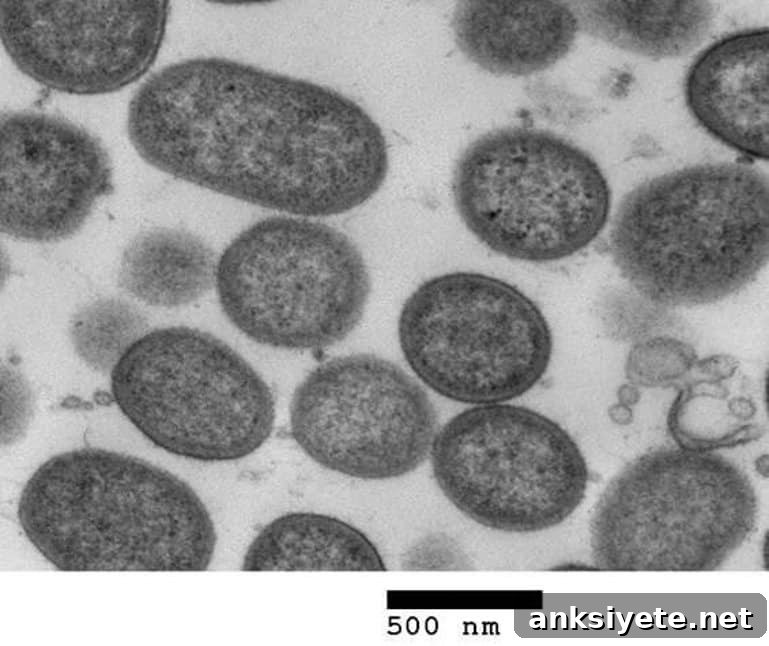
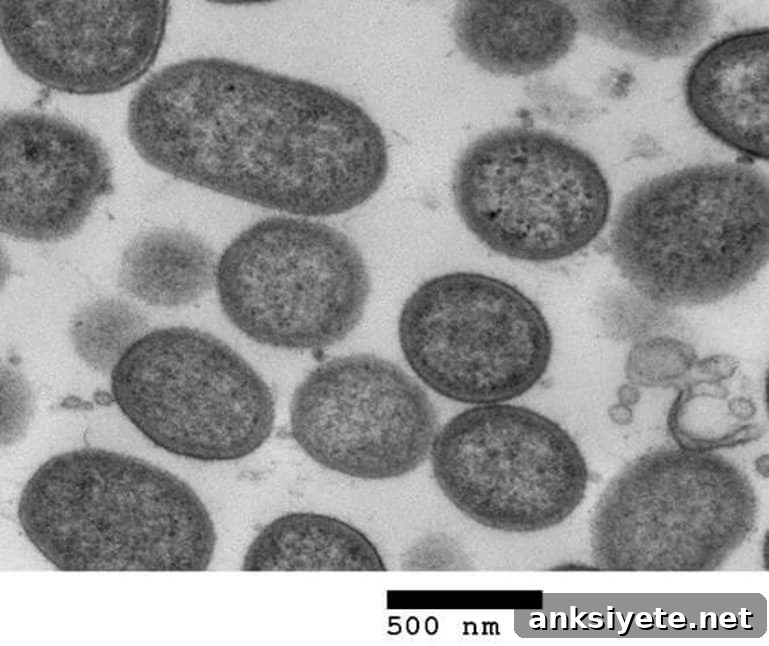
Published in the Journal of Alzheimer’s Disease and the Journal of Alzheimer’s Disease Reports, these complementary papers explore mechanisms by which Porphyromonas gingivalis—the bacterium associated with chronic periodontal disease—and its proteolytic enzymes called gingipains may promote the two hallmark pathologies of Alzheimer’s: neurofibrillary tangles formed from tau and amyloid-beta plaques.
Alzheimer’s disease is the most common form of dementia and is characterized by progressive loss of memory, cognitive decline and impaired communication. Its underlying causes remain incompletely understood, which hampers prevention and treatment. These studies add evidence that oral infection and inflammatory molecules may play a role in the formation and spread of Alzheimer’s lesions.
The first study, published in the Journal of Alzheimer’s Disease, focuses on tau protein, a structural protein of neurons. The team shows that tau is a substrate for gingipains: when tau encounters the gingipain enzymes, it can be released from inside nerve cells and undergo physical transformations. Released tau fragments can adopt coiled and non-coiling filamentous forms that then reattach to neurons and become incorporated into neurofibrillary tangles, contributing to neuronal death.
In practical terms, the findings suggest a mechanism for spread: when an infected neuron dies and releases fragmented tau into surrounding brain tissue, those tau fragments may attach to neighboring healthy neurons and seed further tau aggregation. This chain-reaction process could help explain how tau pathology propagates through the brain in Alzheimer’s disease.
The second study, published in the Journal of Alzheimer’s Disease Reports, investigates how conditioned medium from P. gingivalis influences processing of the amyloid-β precursor protein (AβPP). In cell-culture experiments using SH-SY5Y neuronal cells, exposure to bacterial conditioned medium—especially in the presence of pro-inflammatory cytokines—promoted amyloidogenic cleavage of AβPP and increased production of Aβ40 and Aβ42. Electron microscopy identified insoluble particles consistent with these amyloid species in the cell supernatants.
Together, these two studies provide coherent mechanistic links between oral infection and two central molecular events in Alzheimer’s disease: formation of neurofibrillary tangles from tau and generation of amyloid-beta peptides. While the findings are not a therapeutic breakthrough by themselves, they strengthen the rationale for investigating gingipain inhibitors, anti-microbial strategies and approaches that control oral inflammation as part of Alzheimer’s prevention or treatment research.
Shalini Kanagasingam, Specialist Endodontist and Senior Clinical Lecturer at UCLan, who led the studies under the supervision of Dr. Sim K. Singhrao, emphasized the clinical relevance: “This kind of research highlights the importance of oral health. Watch for early signs of gum disease, like bleeding when brushing, and more advanced signs such as tooth movement or drifting. Don’t delay or skip dental check-ups—your dentist can advise you on effective plaque and tartar removal, which reduces bacterial load and the risk factors we have identified for Alzheimer’s. A healthy mouth supports a healthy body and mind.”
About this gum disease and Alzheimer’s disease research news
Author: Press Office
Contact: UCLan
Source: Press Office – UCLan
Image: The image is credited to UCLan
Original Research: Closed access. “Antimicrobial, Polarizing Light, and Paired Helical Filament Properties of Fragmented Tau Peptides of Selected Putative Gingipains” by Shalini Kanagasingam et al., Journal of Alzheimer’s Disease
Open access. “Porphyromonas gingivalis Conditioned Medium Induces Amyloidogenic Processing of the Amyloid-β Protein Precursor upon in vitro Infection of SH-SY5Y Cells” by Shalini Kanagasingam et al., Journal of Alzheimer’s Disease Reports
Abstract
Antimicrobial, Polarizing Light, and Paired Helical Filament Properties of Fragmented Tau Peptides of Selected Putative Gingipains
Background: Tau is a known substrate for gingipains released by Porphyromonas gingivalis. Hyperphosphorylation of tau and formation of neurofibrillary tangles (NFTs) are defining features of Alzheimer’s disease, and NFT distribution correlates with disease stage and severity.
Objective: To evaluate whether tau peptides produced by gingipain activity display antimicrobial properties and structural characteristics consistent with paired helical/straight filament (PHF/SF) formation relevant to NFTs.
Methods: A series of non-phosphorylated and phosphorylated tau peptides were tested for antimicrobial activity against P. gingivalis, examined with Congo Red polarizing light, and analyzed structurally by transmission electron microscopy (TEM) and circular dichroism (CD).
Results: A phosphorylated tau peptide (peptide A) reduced planktonic P. gingivalis viability. CD spectroscopy indicated that both phosphorylated and non-phosphorylated forms of peptide A adopt predominantly β-sheet structures in solution. Several peptides formed insoluble, fibrillar assemblies under TEM. Phosphorylation changed the tertiary structure of certain peptides and promoted paired helical filament-like conformations, suggesting a propensity for self-aggregation and incorporation into NFTs.
Conclusion: Phosphorylation alters tau peptide structure, promoting filamentous assemblies with potential to contribute to NFT formation, while some phosphorylated fragments also possess antimicrobial activity against P. gingivalis.
Abstract
Porphyromonas gingivalis Conditioned Medium Induces Amyloidogenic Processing of the Amyloid-β Protein Precursor upon in vitro Infection of SH-SY5Y Cells
Background:
Cleavage of the amyloid-β precursor protein (AβPP) by host secretases releases fragments including amyloid-β peptides Aβ40 and Aβ42, which aggregate to form amyloid plaques in Alzheimer’s disease.
Objective:
To determine whether conditioned medium from Porphyromonas gingivalis drives amyloidogenic processing of AβPP and increases levels of Aβ40 and Aβ42 in vitro.
Methods:
SH-SY5Y neuronal cells were exposed to P. gingivalis conditioned medium with and without pro-inflammatory cytokines. Cell lysates and supernatants were analyzed by immunoblotting and TEM to detect AβPP fragments and insoluble amyloid species.
Results:
Treatment with P. gingivalis conditioned medium and cytokines produced variable AβPP fragments, including increased levels of C99 and C83 fragments associated with amyloidogenic processing. Pooled analyses showed statistically significant increases in Aβ40 and Aβ42 compared to untreated controls. Electron microscopy identified insoluble material consistent with Aβ40 and Aβ42 in culture supernatants.
Conclusion:
These observations support the view that AβPP processing is responsive to infection-related stimuli and that exposure to P. gingivalis conditioned medium, especially in an inflammatory context, favors amyloidogenic cleavage pathways linked to Alzheimer’s pathology.