
Summary: Researchers identified and controlled a specific prefrontal-limbic circuit in mice, using precise electrodes and designer receptors to shift mood-related behavior.
Precise control of brain circuits alters mood: mouse study
Source: Duke University.
Overview: Using ultra-fine electrode arrays together with tiny amounts of highly specific engineered receptors and a matching drug, researchers at Duke University isolated a neural circuit in mice and manipulated its activity to raise or lower mood-related behavior. The approach restored normal behavior in stress-susceptible animals that had shown depression- and anxiety-like responses after chronic social defeat stress.
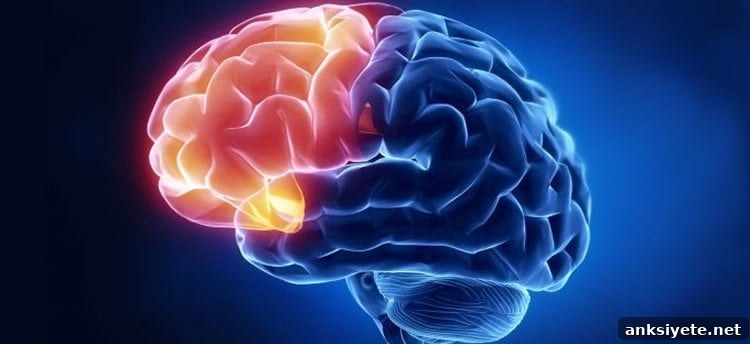
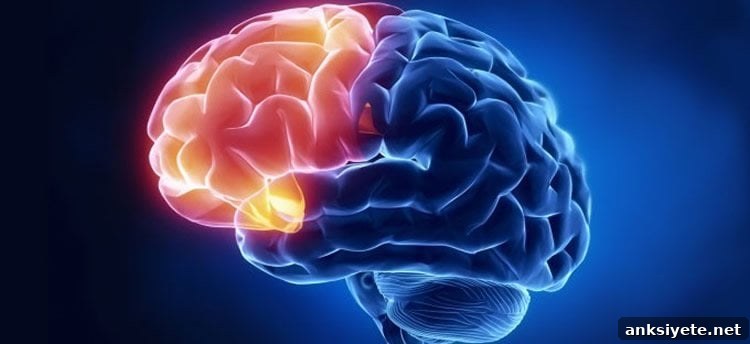
The team found that the prefrontal cortex (PFC) acts like a pacemaker for slower limbic dynamics, coordinating timing between the amygdala—responsible for stress responses—and the ventral tegmental area (VTA), a key node in reward processing. When the PFC’s timing signal was altered by stress, animals displayed pathological behavior; restoring appropriate PFC-driven timing normalized both network activity and behavior.
“If you turn the volume up on animals that hadn’t experienced stress, they start off normal and then develop problems,” said lead author Kafui Dzirasa, an assistant professor of psychiatry, behavioral sciences and neurobiology. “For animals that became stress-susceptible, we had to increase that signal to bring behavior back to normal—stress appeared to turn the volume down.”
The findings appear in Neuron and highlight how well-defined circuit dynamics across cortico-limbic areas regulate emotional behavior. These results also illustrate that pinpointing specific nodes and timing relationships within brain networks is crucial for understanding and treating stress-related disorders.
Approach and methods
To map and manipulate the circuit, the team implanted arrays of 32 electrodes in four brain regions of mice to record ongoing activity during exposure to chronic social defeat stress, a widely used model of stress-induced emotional pathology. Recording across PFC, amygdala and VTA allowed the researchers to observe how PFC oscillations synchronized ultraslow (<1 Hz) limbic dynamics and how that synchrony predicted which animals would become stress-susceptible or resilient.
Complex electrode data were analyzed with the help of statisticians and engineers using machine-learning approaches that extracted a distinctive “clock signature” in the PFC signal that governed amygdala-VTA synchrony. This analysis pinpointed the neurons and timing patterns most associated with behavioral outcomes after stress.
Targeted intervention: DREADDs and precision stimulation
After identifying the key circuit and timing signal, the team used engineered receptors known as DREADDs (Designer Receptors Exclusively Activated by Designer Drug). These receptors were placed in the PFC-to-amygdala pathway in minute volumes and activated by a matching ligand that selectively engages the DREADDs. This combination of precise electronics and receptor-based pharmacology allowed reversible, circuit-specific control.
Activating the PFC-to-amygdala circuit restored normal PFC-dependent limbic synchrony in stress-susceptible mice and returned their behavior to near-normal levels, demonstrating a causal link from PFC timing dynamics through limbic network synchrony to emotional behavior.
Interpretation and implications
The study supports a model in which distributed cortico-limbic circuits operate through coordinated timing relationships. Dysfunction at the level of PFC-mediated timing can disrupt large-scale limbic coordination and drive stress-induced emotional pathology. Identifying the exact circuit nodes and temporal patterns that break down under stress provides specific targets for future interventions.
Experts note caution in generalizing from mice to humans. While the circuit principles are informative, assessing constructs such as “mood” across species requires careful interpretation, and behavioral readouts in mice are proxies rather than direct measures of human subjective experience.
Research team
The multidisciplinary team was led by Kafui Dzirasa (Duke University) with first author Rainbo Hultman and included neuroscientists, statisticians and engineers. Collaborators included experts in machine learning and pharmacology who contributed to data analysis and DREADD methodology.
Funding: Supported by National Institutes of Mental Health grants R37MH073853 and R01MH099192, and a research incubator award from the Duke Institute for Brain Sciences.
Source: Karl Leif Bates, Duke University.
Original research: “Dysregulation of Prefrontal Cortex-Mediated Slow-Evolving Limbic Dynamics Drives Stress-Induced Emotional Pathology” by Rainbo Hultman et al., Neuron. Published online June 23, 2016. DOI: 10.1016/j.neuron.2016.05.038.
Highlights
- PFC oscillations synchronize with ultraslow (<1 Hz) limbic dynamics.
- PFC unit firing signals the synchronization state of amygdala (AMY) and ventral tegmental area (VTA).
- Chronic stress selectively disrupts PFC-dependent regulation of AMY-VTA synchrony.
- Stimulation of the PFC-to-AMY circuit restores normal network function and behavior in stress-susceptible animals.
Summary
Distributed circuits across cortico-limbic regions mediate emotional behavior. The prefrontal cortex regulates ultraslow dynamics across these networks, and PFC dysfunction is implicated in stress-related disorders such as major depressive disorder. Combining in vivo recordings, chronic social defeat stress and machine-learning network models, the authors linked stress-induced behavioral pathology to reduced PFC capacity to synchronize amygdala and VTA activity. Direct stimulation of the PFC-amygdala pathway using DREADDs normalized limbic synchrony and restored behavior. The interdisciplinary approach identifies large-scale network changes underlying emotional pathology and specific nodes for targeted intervention.