How Brain Immune Cells Drive Compulsive Behavior
featured 116858

Summary: Researchers identified a precise calcium-based signaling mechanism inside a subset of brain immune cells—Hoxb8 microglia—that directly regulates anxiety and grooming behaviors in mice. These behaviors model core symptoms of autism spectrum disorders and obsessive-compulsive disorder (OCD). This study demonstrates that internal calcium dynamics in Hoxb8 microglia act as a biological switch: transient calcium signals … Read more


Genetic Links Between Cannabis Use and Psychosis Risk

featured 116838

Summary: New large-scale genetic research clarifies biological mechanisms linking Cannabis Use Disorder (CUD) and psychosis. A meta-analysis of genome-wide association studies identified more than 500 genetic loci associated with psychosis, including 122 novel associations, and reveals distinct molecular pathways that appear to drive the causal effect from heavy cannabis use to psychotic outcomes. The study … Read more

Sleep Duration Tied to Faster Biological Aging

featured 116854

Summary: A comprehensive analysis of biological aging clocks across the human body shows that both too little and too much sleep are linked with accelerated aging in nearly every organ system. This study identifies a coordinated U-shaped relationship between daily sleep duration and biological age. The results indicate that sleep is not only a brain-centered … Read more

Neural Hotwiring: How Synapses Reroute Broken Brain Circuits

featured 116846

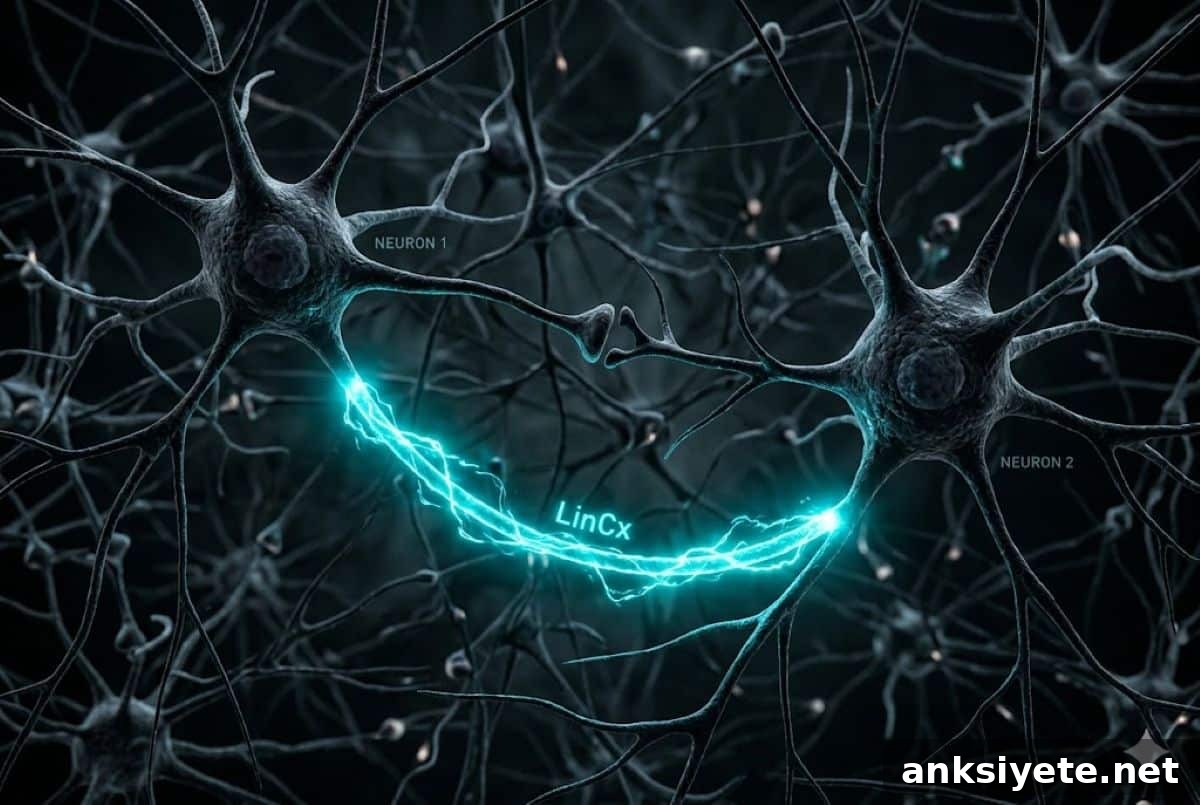
Summary: Researchers at Duke University have created LinCx, a custom-designed biological “wire” that can form selective electrical connections between chosen neurons. This engineered approach offers a way to bypass damaged or disrupted brain circuits, potentially providing a durable alternative to chronic medication or implanted stimulation devices for certain neurological disorders. The study presents a method … Read more

Study Finds Genetic Pathway Linked to Autism Traits

featured 116842

Summary: Researchers have identified a specific long non-coding RNA gene, PTCHD1-AS, that contributes to the core behavioral features of Autism Spectrum Disorder (ASD). The study shows that deletions of this gene on the X chromosome selectively alter social interaction and repetitive behaviors in males while leaving learning, memory and other cognitive abilities intact. This finding … Read more

Genetic Links Between Cannabis Use and Psychosis Risk

featured 116838 1

Summary: New large-scale genetic research clarifies biological mechanisms linking Cannabis Use Disorder (CUD) and psychosis. A genome-wide meta-analysis found more than 500 genetic loci associated with psychosis, including 122 novel loci. The results indicate that the causal pathway from heavy cannabis use to psychosis operates through specific biological systems—particularly neurodevelopment and neuronal signaling—providing a foundation … Read more

Genetic Risk for Schizophrenia Alters Teen Brain Development

featured 116834 1

Summary: New longitudinal research shows that children with higher genetic susceptibility to schizophrenia display a measurable reduction in frontal cortical surface area during early adolescence (roughly ages 9–14). In contrast, children with low genetic risk exhibit the expected regional expansion during the same developmental window. These patterns emerge from MRI data and genetic profiles collected … Read more

Genetic Risk for Schizophrenia Shapes Teen Brain Development

featured 116834

Summary: New research shows that children with a high genetic susceptibility to schizophrenia display a distinct decrease in frontal cortical surface area during early adolescence, while children with low genetic susceptibility exhibit regional expansion in the same areas. These findings offer early in vivo evidence that genetic liability for schizophrenia can alter brain development long … Read more

Study Finds Single Brain Synapse Triggers Learning

featured 116830 1

Summary: Scientists have located the precise spot in the brain where learning first takes hold. Using zebra finches as a model, the study shows that complex motor skills—such as singing, speaking, or playing an instrument—begin with changes at a particular type of synapse in the basal ganglia. This finding helps explain how the brain balances … Read more

Researchers Pinpoint a Single Synapse as the Start of Learning

featured 116830

Summary: Researchers have pinpointed where learning first takes hold in the brain. Using zebra finches, the study demonstrates that complex motor skills—such as singing, speaking, or playing an instrument—initially depend on a specific type of synapse within the basal ganglia. This discovery helps explain how the brain balances exploratory “babbling” with the precision needed for … Read more