How Recognition Sparks Cooperation

featured 116990 1

Summary: A new study overturns a 75-year-old interpretation of the prisoner’s dilemma, showing that cooperation can emerge and persist naturally without special enforcement, kinship, or complex rules. Using mathematical models, statistical mechanics, and simulations of neural-network populations, researchers show that simple memory and the ability to recognize past opponents are enough to make cooperation an … Read more
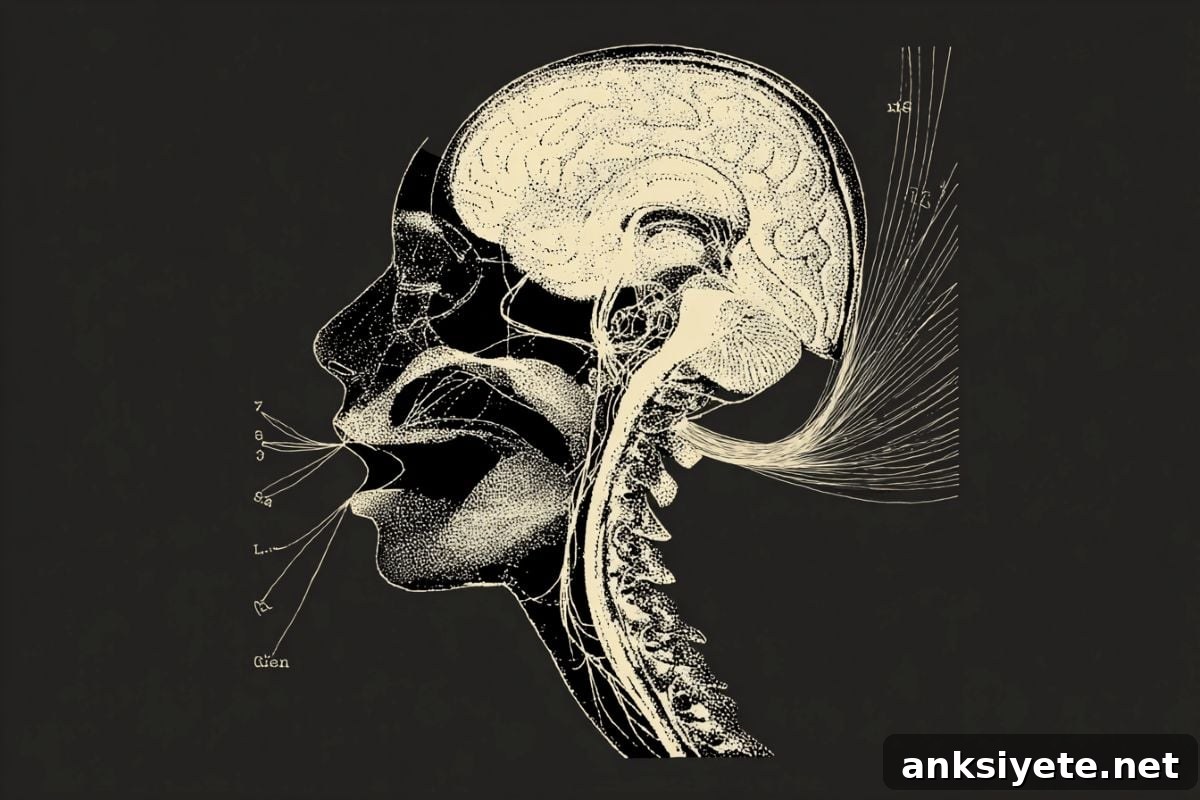

Forebrain Circuit Controls Speech Gene to Shape Voice

featured 117018

Summary: A new study reveals how early brain activity shapes developing communication circuits by regulating Foxp2, a gene closely linked to human speech and communication disorders. The research shows that early neural signaling actively sculpts vocal circuitry rather than simply following a fixed genetic program. Tracking the ultrasonic vocalizations of neonatal mice, the investigators mapped … Read more

How Facial Micromovements Reveal Pain

featured 117014

Summary: A computational neuroscience study has developed a precise, data-driven method to quantify human pain by tracking ultra-fast, invisible facial micromovement spikes. Using artificial intelligence (AI) and high-speed video analysis, the research challenges the subjective 1-to-10 pain scale by decoding minute motor fluctuations that are imperceptible to the naked eye. The investigators established a direct … Read more

How the Brain Rewires to Stabilize Walking With Vision Loss

featured 116985 1

Summary: A new study explains how the human brain rapidly remodels neural circuits to preserve walking stability when visual input is degraded. Using Bangerter™ occlusion foils to simulate low-quality vision in healthy adults, researchers combined pattern-reversal visual evoked potentials (PR-VEPs) with resting-state fMRI (rs-fMRI) to track immediate brain changes following locomotion. The results show a … Read more

Study: Salt Nicotine E-Cigs Triple Odds of Quitting Smoking

featured 117010

Summary: A randomized, double-blind, placebo-controlled clinical trial found that switching from combustible cigarettes to a pod-based salt-nicotine electronic cigarette markedly increased short-term quit rates and substantially lowered exposure to several tobacco-related toxicants. In this trial, daily smokers who switched to a 5% nicotine pod-based e-cigarette were about three times more likely to stop smoking completely … Read more

Leucovorin Prescriptions for Autism Jump 2,000% After Media Hype

featured 116981 1

Summary: A national analysis shows how quickly public attention can change medical practice long before large clinical trials confirm a treatment’s value. Using electronic health records for more than 838,000 children with autism spectrum disorder (ASD), researchers found a dramatic rise in prescriptions for leucovorin (folinic acid), an off-label therapy sometimes used for autism—an increase … Read more

Buprenorphine and Ketamine Combination Reduces Suicidal Ideation

featured 117002

Summary: Researchers have identified the first pharmacological approach that meaningfully extends ketamine’s rapid but short-lived antisuicidal benefit. A single ketamine infusion can sharply reduce severe suicidal thoughts within hours, yet that relief typically subsides after about a week. The new strategy adds a four-week course of daily, very low-dose buprenorphine to sustain ketamine’s antisuicidal effect … Read more

Connected Biochip Reveals How Diabetes Triggers Dementia

featured 116977 1

Summary: The University of Bath-led GlucoBrain project has secured £500,000 to develop a pioneering multi-organ “organ-on-chip” biochip that physically connects living human tissue models of the gut, pancreas and brain. This three-year pilot study will track real-time molecular signals and cellular responses to changing glucose and hormone levels to investigate how diabetes increases the risk … Read more

New Math Method Overstates Alzheimer’s Drug Trial Success by 29x

featured 116998

Summary: A critical research letter warns that a recently promoted statistical method used to support a new generation of Alzheimer’s drugs can greatly overstate clinical benefit. The study evaluated a technique called quantile aggregation, which groups trial participants by outcome, averages those group results, and then looks for patterns across the grouped averages. Applied to … Read more

Brain Switch Controls Recent Memory Recall, Study Finds

featured 116973 1

Summary: Researchers have identified the world’s first neural “switch” that helps the brain prioritize recent memories over older ones. The team found a specific circuit linking the medial septum (MS) and the medial entorhinal cortex (MEC) that actively determines whether the brain uses up-to-date information or falls back on older behavioral patterns. This discovery clarifies … Read more