How Music Improves Social Communication in Children with Autism

featured 52252

Summary: A new clinical trial finds that one-on-one musical activities such as singing and instrument play can significantly improve social communication skills and family quality of life for school-age children with autism, and are associated with altered brain connectivity in networks involved in auditory and motor processing. Source: University of Montreal One-on-one musical activities—singing, rhythmic … Read more

Electronic Mesh Wraps Brain Organoids to Record Neural Activity

featured 114771

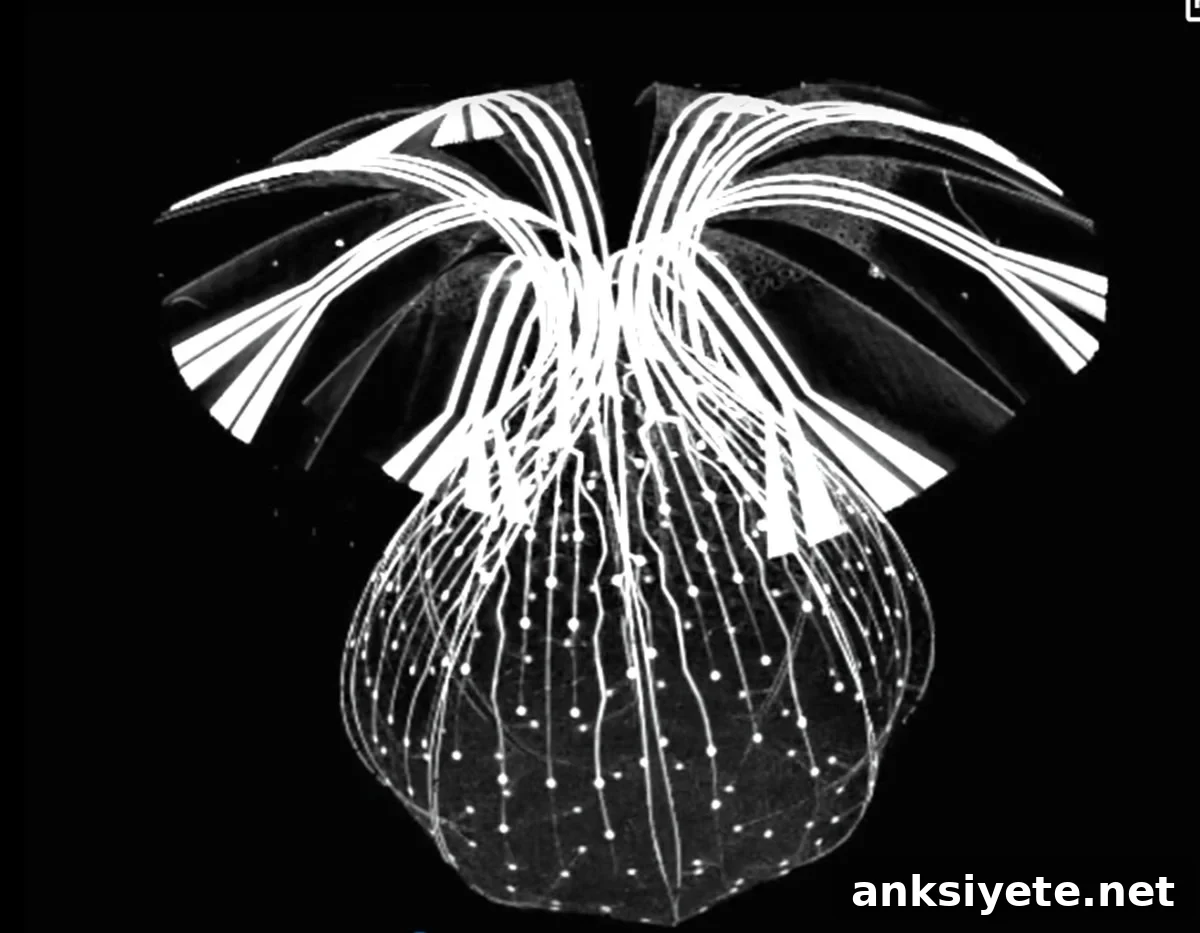
Summary: For the first time, researchers can record the complete electrical activity across an entire lab-grown human neural organoid. These “mini-brains” are powerful models for studying development and disease, but until now existing sensors could only sample a small portion of their activity because they were flat and rigid. A new study describes a soft, … Read more

Music and Brain Stimulation Improve Memory, Study Finds

featured 43629

Summary: Combining non-invasive brain stimulation with a person’s favorite music from the past may help activate long-held memories and improve mood for older adults with mild cognitive impairment (MCI), according to a new study led by researchers at Baycrest. Source: Baycrest. Baycrest begins the first clinical study pairing personalized music therapy with brain stimulation to … Read more

Twin Study Reveals How Genes Shape the Human Brain

featured 34017

Summary: A new twin study reveals how genetics shape grey matter regions in the ageing human brain. Source: University of New South Wales UNSW Australia researchers have completed a landmark twin study examining genetic influences on key brain structures in people aged 65 and older. An important international study of healthy older twins has provided … Read more

How a 10-Minute Run Boosts Cognitive Processing

featured 79267

Summary: Just ten minutes of moderate running increases activation in both sides of the prefrontal cortex, improving mood and executive functioning. Source: University of Tsukuba A brief bout of moderate running can meaningfully boost mental health. Researchers at the University of Tsukuba report that a 10-minute session of moderate-intensity running raises local blood flow across … Read more

How Music Moves Through the Brain

featured 59442

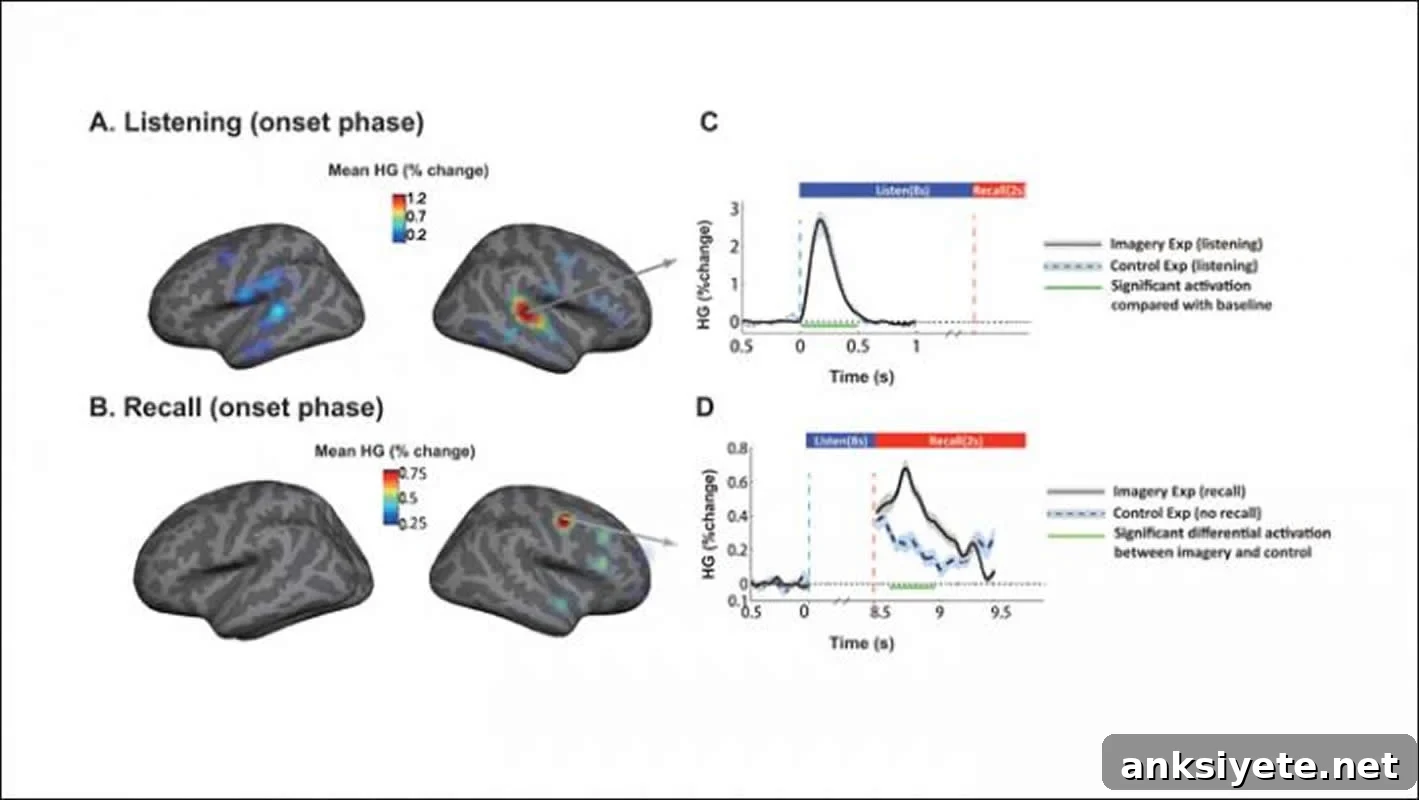
Summary: When people listen to music, neural activity in the frontal lobe follows activity in the temporal lobe; during musical recall, the frontal lobe leads the temporal lobe. These results reveal bottom-up and top-down processing in the cortex during listening and remembering, shedding light on how the human brain represents and tracks familiar music. Source: … Read more

Age-Related Weight Loss Tied to Mild Cognitive Impairment Risk

featured 27496

Weight Loss from Midlife to Late Life Associated with Higher Risk of Mild Cognitive Impairment Increasing weight loss per decade between midlife and late life was associated with a greater risk of developing mild cognitive impairment (MCI), according to findings published in JAMA Neurology. Mild cognitive impairment is an early, prodromal stage of dementia. Each … Read more

COVID-19 Vaccine Prevents Infection and Brain Damage

featured 89475

Summary: Researchers at CNB-CSIC have developed a COVID-19 vaccine candidate that appears to prevent SARS-CoV-2 from infecting the brain and blocks the neurological damage associated with the virus in a susceptible mouse model. Source: University of Seville While COVID-19 primarily affects the respiratory system, a significant number of patients experience neurological symptoms, including loss of … Read more

Could Psychedelic Drugs Offer a New Treatment for Depression?

featured 60644

Summary: Researchers are reassessing the therapeutic potential of psychedelics as an antidepressant option for people with depression. Source: Virginia Commonwealth University For almost five decades, research on psychedelics was largely sidelined. Now an increasing number of scientists, including Javier González-Maeso, Ph.D., and Mario de la Fuente Revenga, Ph.D., in the Department of Physiology and Biophysics … Read more

Human Connectome Reveals Nearly Optimal Network

featured 21476

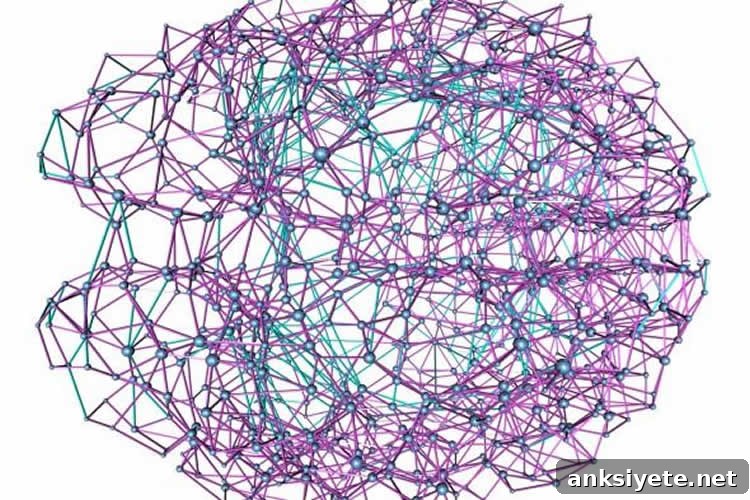
Have you ever wondered why the human brain evolved the way it did? Researchers led by Northeastern physicist Dmitri Krioukov propose an intriguing answer: the brain’s wiring has evolved to speed information transfer between regions, allowing us to respond quickly and operate at high efficiency. Their analysis suggests the brain’s structural network is nearly optimal … Read more