When to Eat for Weight Control: Breakfast vs Late-Night Snacks

featured 62782

Summary: Losing weight is influenced not only by what and how much you eat, but also by when you eat. Skipping breakfast and consuming calories late at night can postpone the body’s natural fat-burning processes, reducing lipid oxidation during sleep. Source: PLOS Timing of meals affects how your body uses and stores energy Most discussions … Read more
Oxytocin Derivative Improves Memory in Alzheimer’s Patients

featured 87459

Summary: An intranasally delivered oxytocin derivative improved cognitive function and reduced memory impairment in mouse models of Alzheimer’s disease. Source: Tokyo University of Science Cognitive decline and memory loss in Alzheimer’s disease (AD) are closely linked to accumulation of β-amyloid protein (Aβ), which disrupts neural function in the brain. Research has shown that oxytocin — … Read more

Deep Brain Stimulation Brings Relief for Severe Depression

featured 54878

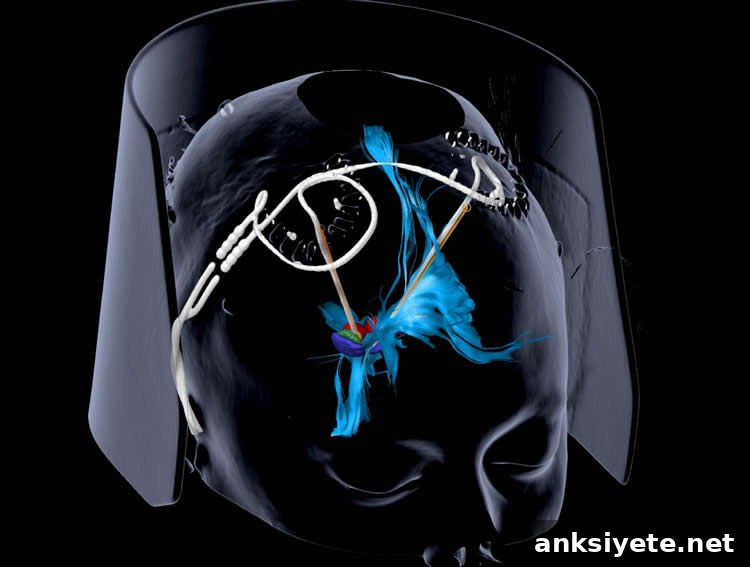
Summary: Deep brain stimulation led to a substantial and lasting reduction in depressive symptoms for many patients with treatment-resistant major depression. Source: University of Freiburg Overview: Researchers at the Medical Center – University of Freiburg, together with colleagues from the University Hospital Bonn, report that deep brain stimulation (DBS) can provide both rapid and sustained … Read more

How Vision Aids Voice Recognition in the Brain

featured 89287

Summary: New evidence suggests voice and face recognition share closer neural ties than previously believed. Source: University of Pittsburgh Researchers reporting in the Journal of Neurophysiology found that the brain region best known for processing faces also responds when people hear familiar voices, suggesting visual and auditory person recognition converge in overlapping neural circuits. A … Read more

New Photoreceptor 50 Times More Efficient Than the Human Eye

featured 35996

Summary: Researchers have identified a new photoreceptor that is roughly 50 times more efficient at capturing light than the rhodopsin found in the human eye. Source: University of Michigan New Photoreceptor LITE-1 Is Exceptionally Efficient at Capturing UV Light An international research team led by the University of Michigan reports the discovery of LITE-1, a … Read more

Damage to Brain Network Hubs Causes Widespread Cognitive Decline

featured 17268

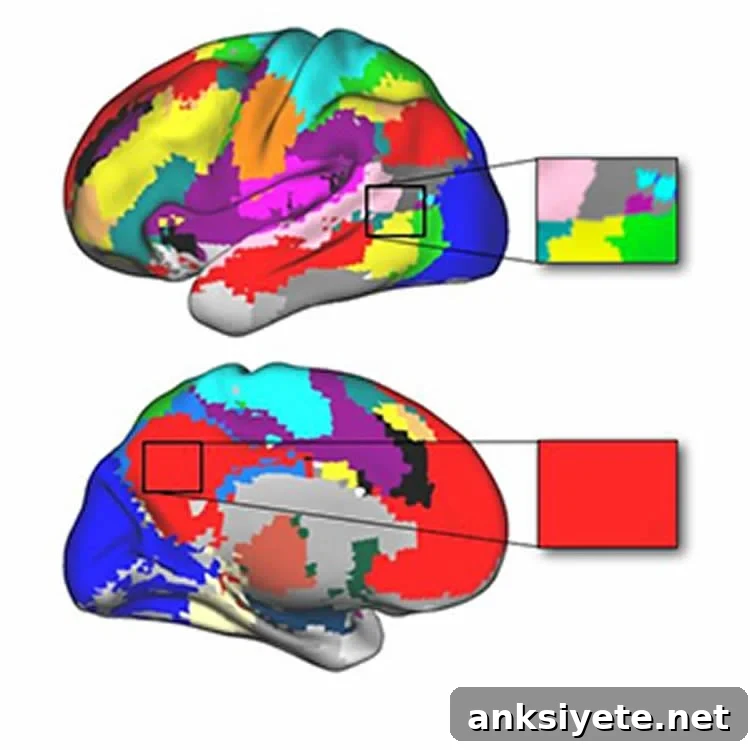
Injuries to six specific brain regions cause far greater disruption to thinking and everyday functioning than damage to other areas, researchers at Washington University School of Medicine in St. Louis report. Using detailed brain mapping, the team identified these regions as prominent “hubs” where the borders of multiple functional networks converge. Because these networks enable … Read more

New Study Maps Diverse Neuron Types Driving Movement

featured 73623

Summary: Using single nucleus RNA sequencing, researchers have mapped 21 distinct subtypes of motor neurons along the mouse spinal cord. Source: NIH Researchers at the National Institutes of Health (NIH) have produced a detailed molecular atlas of motor neurons across the mouse spinal cord, revealing an unexpectedly wide diversity of cell types. The study identifies … Read more

How Left Brain Asymmetry Affects Reading Ability

featured 81657

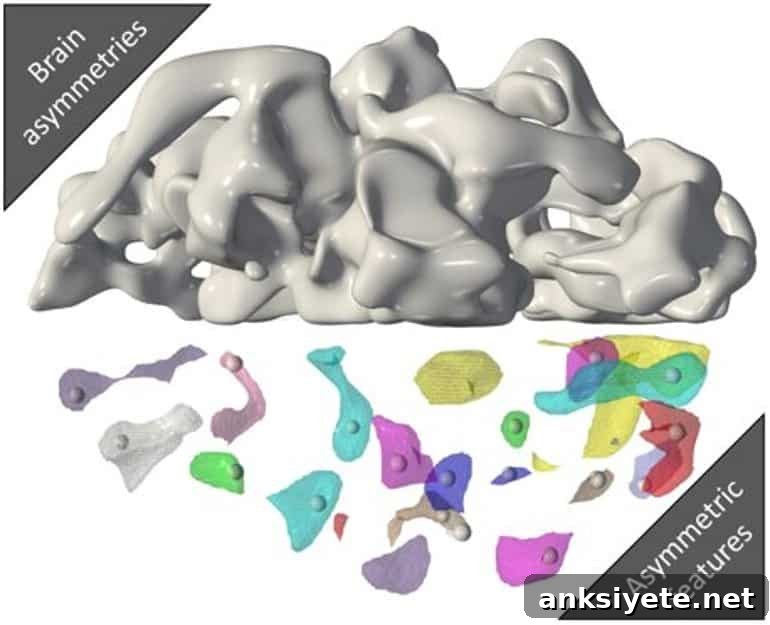
Summary: Greater left-brain asymmetry can predict both superior and average outcomes on a foundational measure of reading skill, depending on how asymmetry is measured. Source: PLOS Researchers led by Mark Eckert at the Medical University of South Carolina report that two previously competing theories about how the brain supports language processing can both be valid, … Read more

How Secondhand Psychological Stress Can Cause Depression

featured 77487

Summary: Mouse study shows chronic psychological stress reduces new neuron survival in the dentate gyrus of the hippocampus. Source: Tokyo University of Science Depression is a major medical and social challenge worldwide. Among the ideas used to explain its biological basis, the “neurogenic hypothesis of depression” has drawn significant interest. This hypothesis proposes that damage … Read more

Why Dogs Have Puppy Dog Eyes: Evolution and Human Communication

featured 57182

Summary: Domestication altered dogs’ facial muscles in ways that improve their ability to communicate with people. A small muscle above the eye enables dogs to lift the inner eyebrow more intensely than wolves, producing a look that appears more infant-like and resembles a human sad expression—traits that may trigger caregiving responses from humans. Source: University … Read more