1956–1970 HS Football Players Show No Rise in Neurodegeneration

featured 37140

Summary: A Mayo Clinic community-based study found no increased long-term risk of neurodegenerative diseases for men who played varsity high school football between 1956 and 1970, when compared with athletes who participated in other varsity sports. Source: Mayo Clinic. Mayo Clinic Study Finds No Greater Risk of Late-Life Neurodegenerative Disease in High School Football Players … Read more

Brain and Blood Vessels: How They Work Together

featured 65882

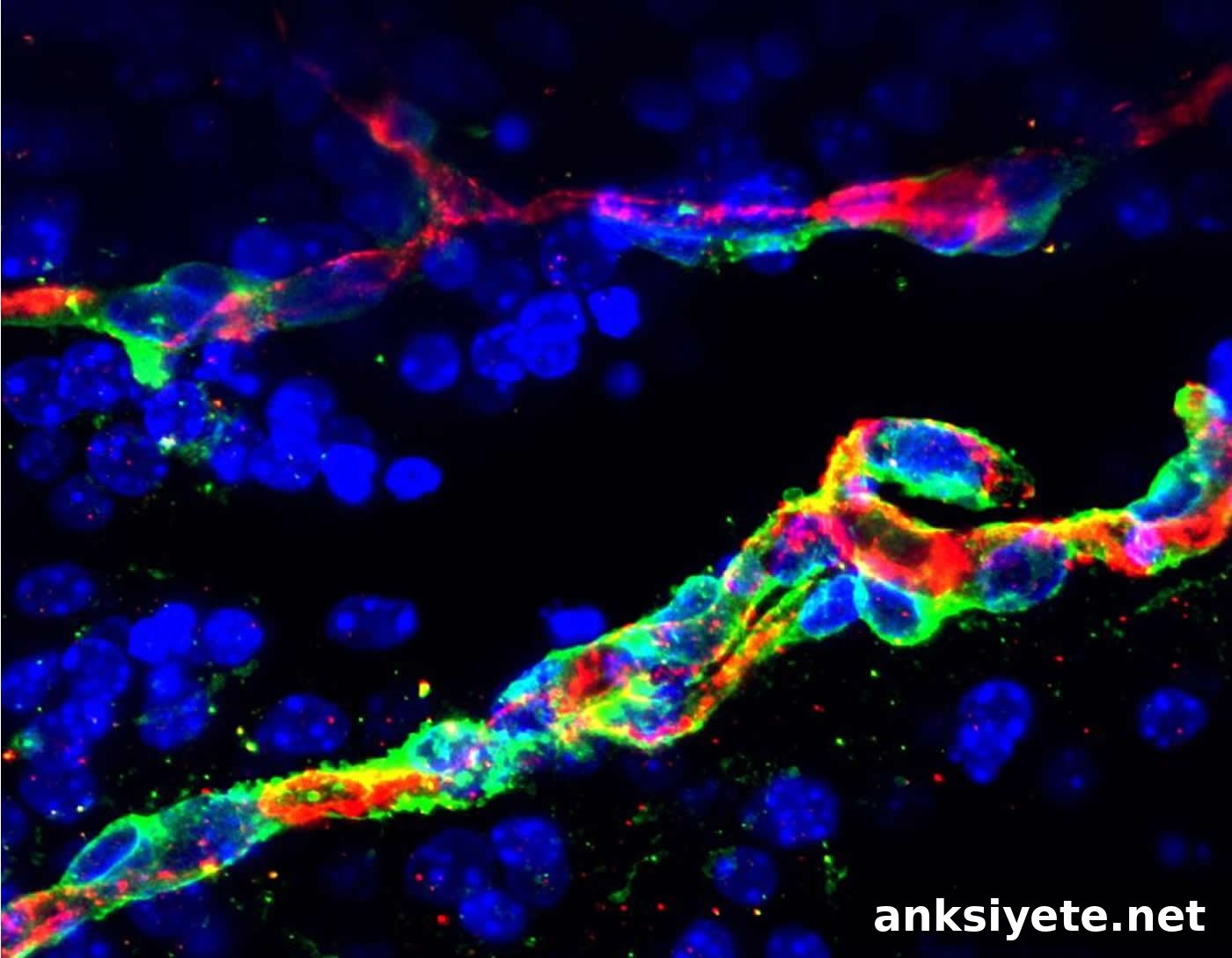
Summary: Blood vessels in the brain can detect the metabolic state of nearby neurons. An imbalance in fatty acid processing is sensed by these neural blood vessels, prompting a stress response that loosens the blood-brain barrier. If the imbalance persists, the resulting barrier leakiness can contribute to disease. Source: Max Planck Institute The brain is … Read more

Senescent Zombie Cells Linked to Faster Cognitive Decline

featured 105641

Summary: New research indicates that senescent skin cells—often called “zombie” cells—may accelerate aging throughout the body. In a preclinical model, transplanting these cells into the skin caused senescence to spread to other tissues and organs, worsening physical frailty, reducing muscle function, and impairing brain health. These findings suggest that skin aging can be more than … Read more

Reprogramming Brain Circuits Cuts Cocaine Cravings in Mice

featured 41805

Summary: Silencing pyramidal neurons in the infralimbic cortex made rats more likely to relapse than rats that underwent normal withdrawal from cocaine. These results support growing evidence that the infralimbic cortex plays a critical role in suppressing addictive behavior and encoding extinction learning. Source: University of Iowa The brain can adapt, reorganize, and learn new … Read more

Mapping Neural Circuits in the Drosophila Brain

featured 35554

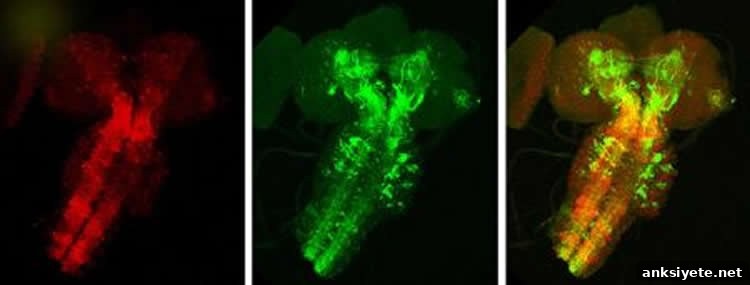
Summary: Scientists at Caltech have created a new method to visualize direct connections between individual cells in the fly brain. Source: CalTech. Researchers at Caltech have devised a genetic system that reveals which individual cells in the fruit fly brain make direct contact with one another. The technique offers a practical route toward neuron-by-neuron “wiring … Read more

Why Toddlers Use Logic Before They Learn Language

featured 96808

Summary: Toddlers as young as 19 months demonstrate an early capacity for logical thought that operates independently of spoken language. This ability, often expressed as reasoning by exclusion, lets infants draw conclusions about unfamiliar situations by eliminating options they recognize as impossible. By tracking where infants look during carefully designed tests, researchers identified patterns consistent … Read more

How Whales Avoid Brain Damage During Deep Dives

featured 86552

Summary: New research from the University of British Columbia suggests that specialized vascular networks in whale brains, called retia mirabilia, protect the brain from movement-generated blood pressure pulses produced during swimming. Source: University of British Columbia Specialized blood vessel networks in cetacean brains appear to shield them from pressure pulses created by swimming, preventing damage … Read more

Researchers Identify Genetic Variants Linked to Insomnia

featured 89523

Summary: Researchers have identified a conserved role for the Pig-Q gene in sleep regulation. Mutations in Pig-Q increase sleep across species, from fruit flies to zebrafish, and the finding links human genomics to model-organism validation. Source: Texas A&M Researchers from Texas A&M University, the Perelman School of Medicine at the University of Pennsylvania, and Children’s … Read more

How the Brain Blocks Anxiety by Masking Heartbeat Signals

featured 30540

Not being aware of the pulse of our heart might help prevent anxiety, EPFL scientists found. Although our heart beats constantly, most of the time we do not consciously notice it. Researchers at EPFL’s Center for Neuroprosthetics have shown that the brain actively filters out the sensations produced by the beating heart so they do … Read more

Study Finds Orgasmic Meditation Changes Brain Function

featured 78790

Summary: Researchers report that “orgasmic meditation” produces a distinct pattern of brain activity, altering regions tied to emotional processing and attention. Source: Thomas Jefferson University Researchers have demonstrated for the first time that orgasmic meditation (OM)—a structured partnered practice centered on focused clitoral stimulation—produces a unique pattern of brain functional connectivity, according to a new … Read more