How Socioeconomic Status Shapes Children’s Brain Development

featured 117608 1

Summary: A new, large-scale study has reshaped our understanding of neurodevelopment by showing that a child’s socioeconomic environment leaves a stronger and more consistent imprint on the developing brain than any single biological, behavioral, or psychological factor. Investigators analyzed neuroimaging data from nearly 12,000 children ages 9–10 enrolled in the NIH-funded Adolescent Brain Cognitive Development … Read more

Study Finds Ebola Virus Remains Active in Human Brain Tissue

featured 117624

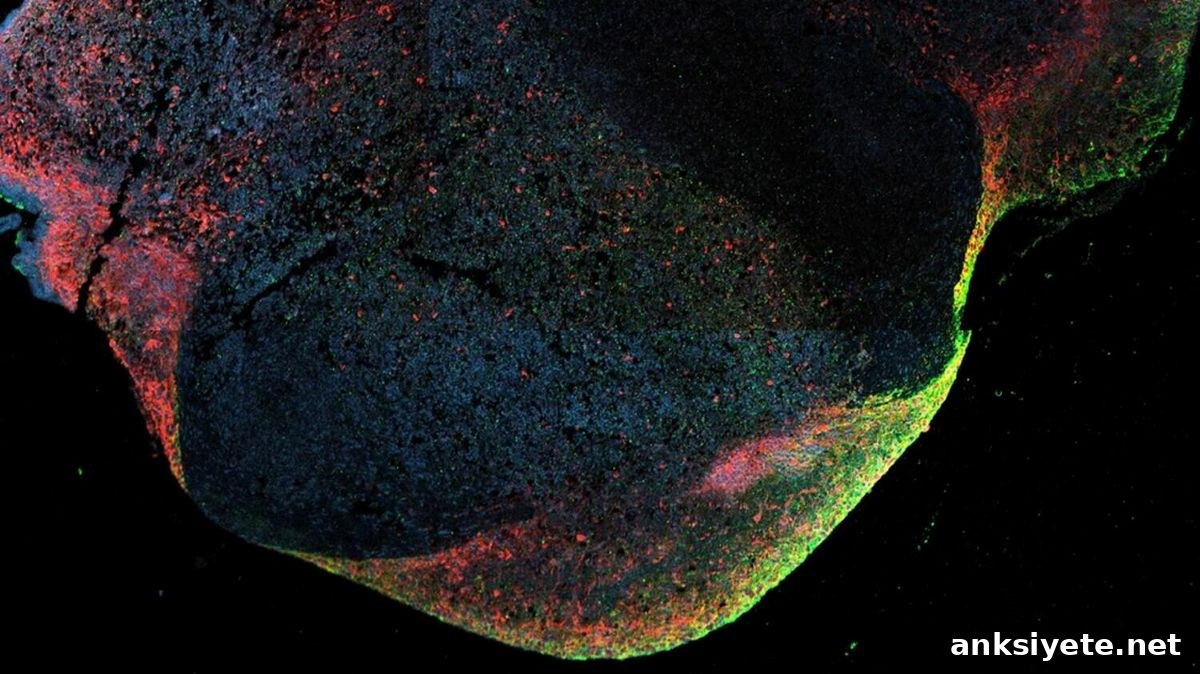
Summary: Researchers uncovered how the Ebola virus can persist undetected in the human central nervous system for months or years. An international team used human induced pluripotent stem cells (iPSCs) to grow three-dimensional cerebral organoids and studied long-term filovirus infection in that human tissue model. Using these cerebral organoids, the investigators showed that Ebola and … Read more

How Sleep Deprivation Disrupts Social Memory

featured 117600 1

Summary: Memory loss after a night of sleep deprivation reflects a temporary inability to retrieve stored information, not the permanent erasure of memory traces. This study tracked how lack of sleep impairs a mammal’s ability to tell apart different social encounters that happen in the same environment. Using precise optogenetics and targeted pharmacology, the researchers … Read more

Why Generosity Fades in Unequal Relationships

featured 117620

Summary: A new MIT study reshapes how we understand cooperation. It shows that keeping an internal ledger of favors is not the default human approach; rather, it is a strategy people use mainly among equals. In relationships with power differences, people tend to follow established precedents instead of tracking exact reciprocity. Moving beyond classic game-theory … Read more

Histamine Waves in the Hypothalamus Gate Memory Access

featured 117596 1

Summary: Researchers have uncovered a subcortical mechanism that explains why the same memory can be easy to recall one moment and inaccessible the next. Using real-time neural monitoring, optogenetics, and deep-brain calcium imaging in mice, the team at Nagoya City University found that slow, spontaneous fluctuations in hypothalamic histamine neurons act as an internal gate … Read more

CES1 Gene Variants Linked to Compulsive Cocaine Addiction

featured 117616

Liver Gene Ces1 Identified as Major Genetic Driver of Cocaine Addiction Summary: A large genetic study from the University of California San Diego reveals that a primary genetic influence on cocaine addiction lies in the liver, not the brain. Researchers mapped millions of genetic markers in nearly 900 genetically diverse rats and identified a cluster … Read more

71% Rise in Social Anxiety Diagnoses

featured 117586 1

Summary: New Canadian research reveals a steep, generational increase in Social Anxiety Disorder (SAD). The study finds that nearly one in seven Canadian adults — about 13.9% — have experienced social anxiety in their lifetime, a 71% rise compared with 2002. The increase is concentrated among younger adults: almost one in four Canadians aged 20–24 … Read more

How Low Dopamine Activity Drives Teen Drug Use

featured 117612

Summary: A new University of Pittsburgh study overturns a long-standing idea about teenage risk-taking. Rather than being driven by an overactive dopamine system, many adolescents who experiment with alcohol, cannabis, nicotine and other substances appear to do so because they start adolescence with unusually low baseline dopamine. In other words, early experimentation may act as … Read more

How the Timing of Childhood Trauma Rewires Fear Circuits

featured 117574 1

Summary: A new study maps the biological pathways through which early-life adversity becomes embodied, translating childhood maltreatment into lasting physical and mental health vulnerabilities. Using high-resolution functional magnetic resonance imaging (fMRI) alongside measurements of systemic inflammatory markers in 128 young adults, researchers traced how different types and timing of maltreatment reshape interactions between fear-related brain … Read more

How Socioeconomic Status Shapes Children’s Brain Development

featured 117608

Summary: A large new study has reshaped our understanding of childhood neurodevelopment by showing that a child’s socioeconomic environment leaves a stronger structural and functional imprint on the developing brain than any other biological, behavioral, or psychological factor. Researchers analyzed MRI data from nearly 12,000 nine- and ten-year-olds enrolled in the NIH-funded Adolescent Brain Cognitive … Read more