Older Brains May Overlearn: What It Means for Memory
featured 18087

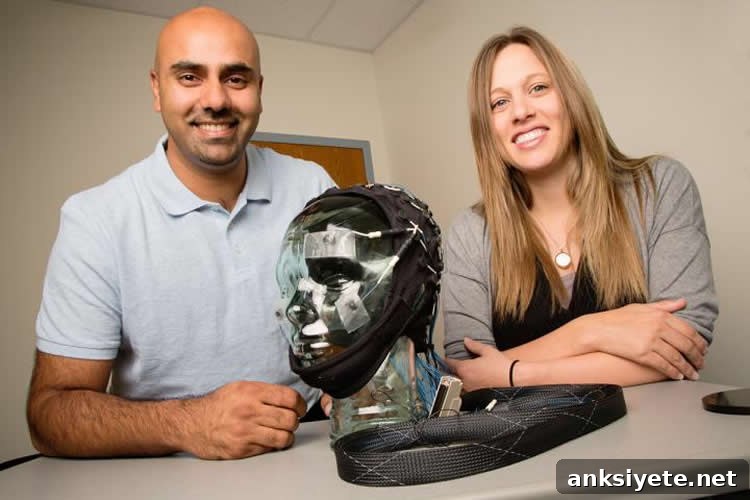
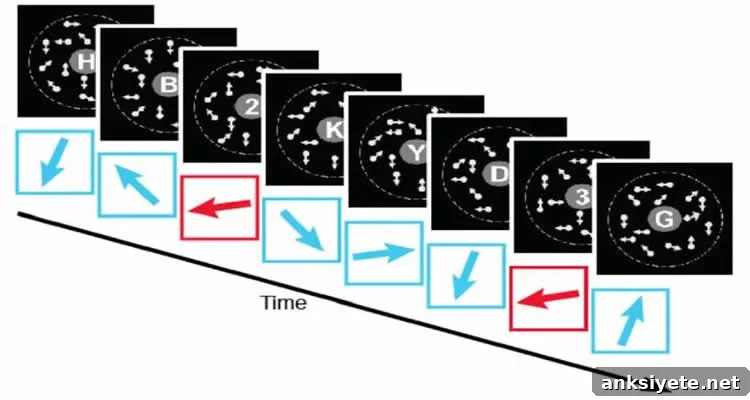
New research led by Brown University shows that older adults retain the brain flexibility needed to learn a visual perception task, but they are less effective than younger adults at filtering out irrelevant information. The study challenges the common assumption that aging necessarily reduces brain plasticity. Instead, it highlights a different constraint on learning with … Read more


How Your Perception of Time Affects Wound Healing

featured 99175

Summary: New research indicates that perceived time — how long people feel time has passed — can meaningfully influence the physical healing of wounds. In a controlled study, wounds healed faster when participants experienced time as passing more quickly, and healed more slowly when time was experienced as passing more slowly, even though the actual … Read more

Amygdala: How It Shapes Emotion and Decision-Making

featured 114941

Summary: Recent research challenges the long-held view of the amygdala as merely the brain’s primitive “fear center.” The new study shows the amygdala serves as a sophisticated decision hub that arbitrates between two core learning strategies: action-based learning, which emphasizes motor actions that previously led to success, and stimulus-based learning, which prioritizes features or identities … Read more

Study Links Nutrient Intake to Academic Performance in Preteens

featured 41671

Summary: New research links higher levels of lutein in the eye to better academic achievement and cognitive performance in school-age children. Source: University of Illinois. Researchers at the University of Illinois report that higher lutein levels in the eye — a pigment found in leafy greens, egg yolks, and some fortified foods — are associated … Read more

Schizophrenia Risk Could Originate in the Placenta

featured 108212

Summary: A new multicenter study highlights the placenta’s critical role in early neuropsychiatric development, showing that DNA methylation in placental tissue can influence the activity of genes linked to psychiatric disorders. The research identifies strong associations between placental DNA methylation and schizophrenia, bipolar disorder, and major depressive disorder, suggesting that some genetic risks may become … Read more

Shared Protein Abnormality Found in Parkinson’s Disease and ALS

featured 41036

Summary: New research links abnormal SOD1 protein to neuronal loss in both Parkinson’s disease and amyotrophic lateral sclerosis (ALS). Source: University of Sydney. Discovery may provide a new therapeutic direction for Parkinson’s disease and ALS Researchers have identified a specific abnormality in the antioxidant enzyme superoxide dismutase 1 (SOD1) in brain regions affected by Parkinson’s … Read more

Scientists Pinpoint Genetic Causes of Parkinson’s Disease

featured 84652

Summary: New research clarifies how the VPS13C gene contributes to Parkinson’s disease. Source: Yale Researchers have linked variants in at least 20 genes to Parkinson’s disease, yet how many of these variants lead to the progressive motor symptoms—tremor, stiffness and impaired balance—remains unclear. New studies from Yale identify critical cellular roles for VPS13C, a gene … Read more

How the Aging Brain Adapts to Decode Social Cues

featured 111336

Summary: New research indicates that older adults may compensate for age-related cognitive decline by increasing activity in a specific attention-related brain region, the locus coeruleus (LC). In a recent brain imaging study, older participants displayed stronger LC responses than younger adults when interpreting ambiguous facial expressions. This elevated LC activity was particularly evident in older … Read more

Low Sexual Activity Linked to Earlier Menopause

featured 61561

Summary: A new UCL study finds that women who are sexually active at least monthly have a lower risk of entering menopause early compared with women who report sex less frequently. Source: UCL Weekly or monthly sexual activity is linked to a later age of natural menopause compared with sexual activity less than monthly, according … Read more

Ear and Tongue Stimulation Device Reduces Tinnitus in Trial

featured 68683

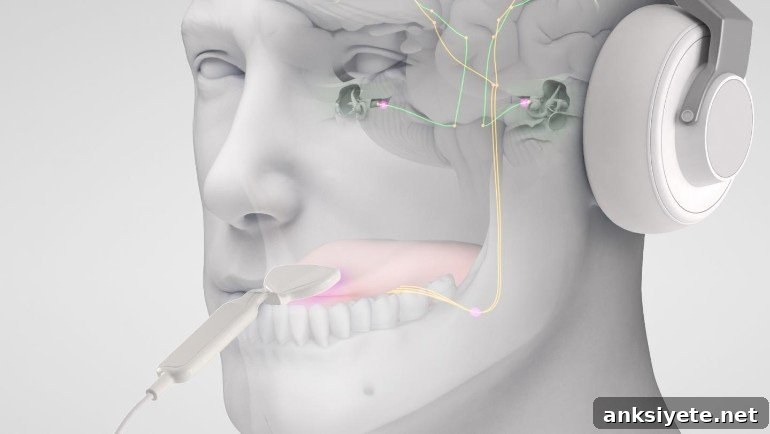
Summary: A noninvasive bimodal neuromodulation device that delivers synchronized sound to the ears and mild electrical stimulation to the tongue significantly reduced tinnitus symptom severity in a large randomized clinical trial, with benefits lasting up to one year. Source: AAAS A novel bimodal neuromodulation system that combines auditory stimulation through headphones with gentle electrical stimulation … Read more