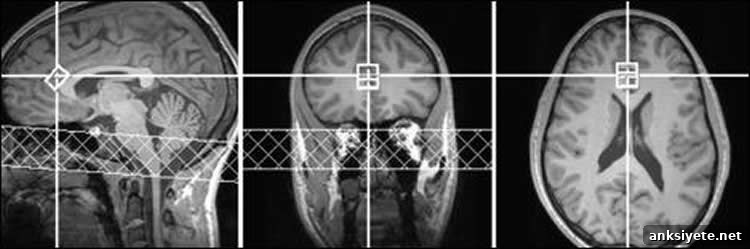
10-Hour Eating Window: Study Shows Boost in Mood and Energy

featured 98295

Summary: The largest UK community science study of its kind found that restricting daily food intake to a ten-hour window is linked with measurable health improvements. Participants reported greater energy, improved mood and reduced hunger, and many experienced weight-related benefits. Consistent adherence to the ten-hour schedule amplified these effects. Though the findings are presented as … Read more
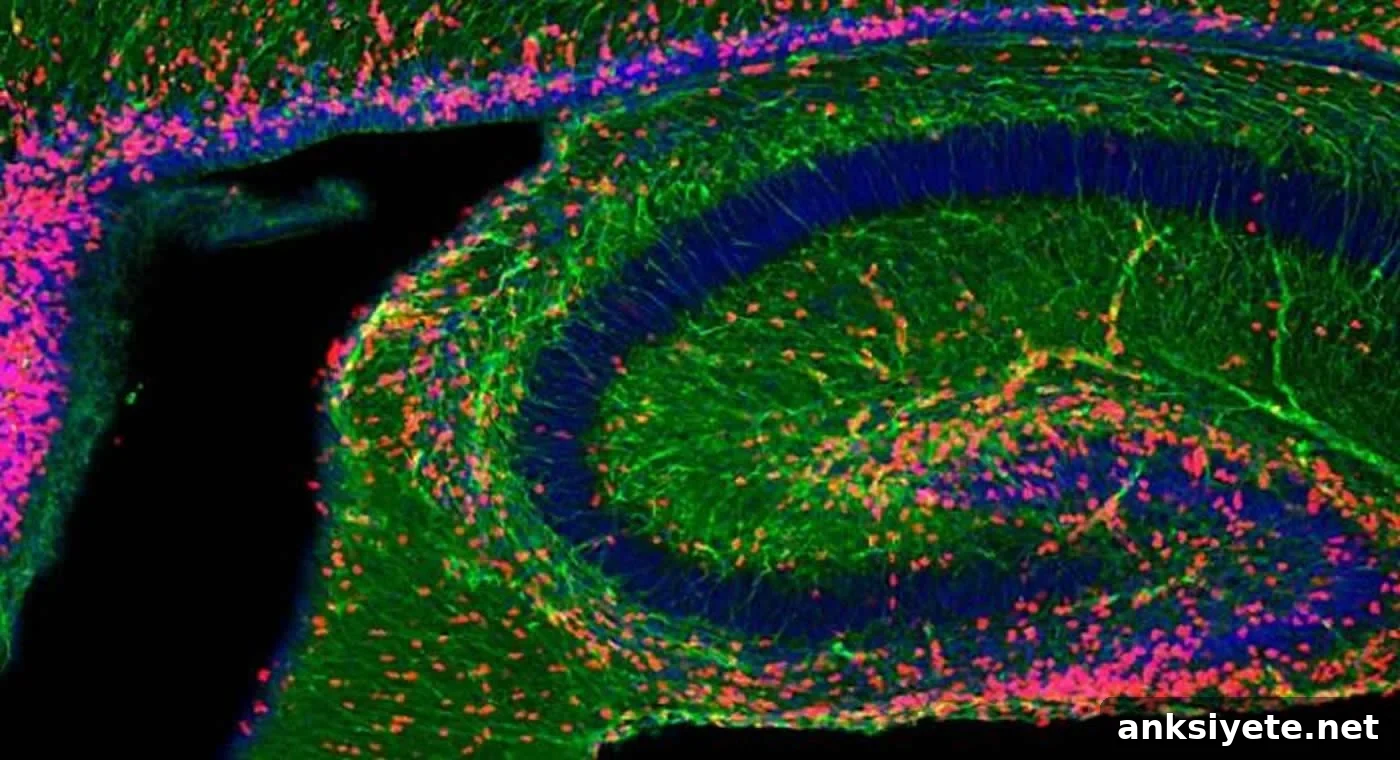
Exosomes Could Transform Developmental Brain Disorder Diagnosis

featured 58222

Summary: Exosomes carry signaling information essential for regulating neural circuit development. Source: Scripps Research Institute Overview: Exosomes—tiny membrane-bound vesicles released by virtually every cell—act like molecular parcels, transporting proteins, lipids and RNA between cells. Once dismissed as cellular waste, exosomes are now recognized as critical mediators of intercellular communication. Recent research from Scripps Research reveals … Read more

Protecting the Brain From Dementia-Causing Protein Aggregates

featured 84242

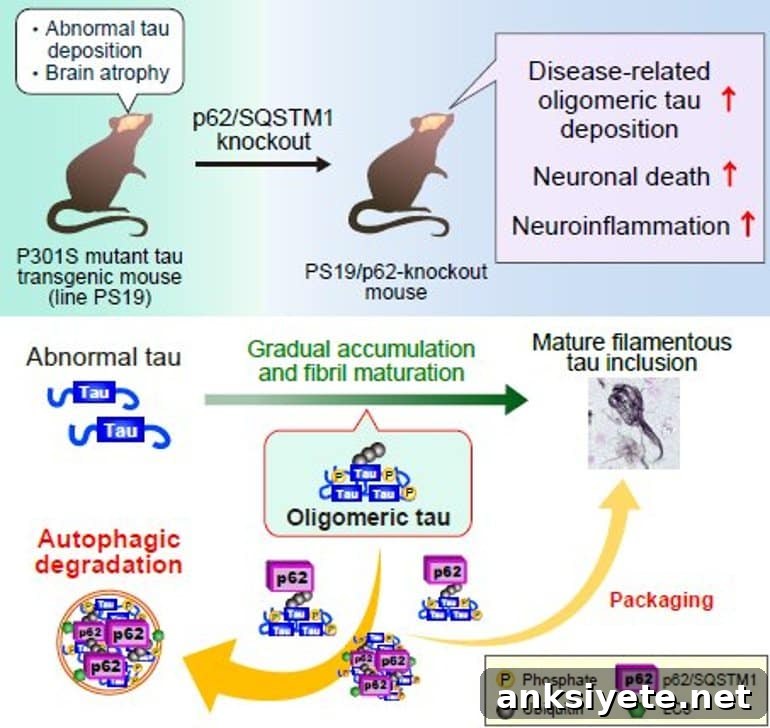
Summary: Researchers identify a central role for the p62 gene in the selective autophagy and clearance of toxic tau oligomers. Source: National Institutes for Quantum Science and Technology Cells preserve internal balance through selective autophagy, a process that identifies and degrades unwanted or toxic proteins. This selection is directed by autophagy receptor proteins that bind … Read more

Octopuses Experience REM-Like Sleep and Colorful Dreams

featured 95124

Octopus Sleep Mirrors Human REM-like Activity: Study Finds Wake-like Brain Patterns and Skin Displays Summary: Octopuses show two distinct sleep stages, including an active, wake-like phase that closely resembles REM sleep in mammals. This finding suggests that an active sleep stage may be a convergent feature of complex cognition across distant animal lineages. Researchers from … Read more

Study: Brain Waves Predict Future Pain Sensitivity

featured 66958

Summary: Measurements of individual alpha wave frequency can reliably predict how a person will experience prolonged pain. Source: University of Birmingham New research shows that the brain’s rhythmic alpha activity provides a reliable indicator of a person’s sensitivity or resilience to pain. The living brain generates ongoing rhythmic electrical activity that can be measured and … Read more

Study: How Much Do IQ and Practice Affect Chess Skill

featured 59133

Summary: Both intelligence and sustained practice play important roles in learning and retaining chess skill across the lifespan. Source: University of Graz How do intelligence and practice combine to shape success? For decades, researchers and practitioners have debated whether innate ability or deliberate practice matters more for high-level performance. A multinational research team from the … Read more

Childhood Poverty Linked to Adult Mental Disorders

featured 80495

Summary: New analysis links childhood poverty and exposure to stressful life events with a higher risk of externalizing mental health disorders during adolescence and early adulthood, with effects especially pronounced among females. Source: FAPESP A cohort study published in European Child & Adolescent Psychiatry finds a clear association between early-life poverty and a greater likelihood … Read more

New Neuron Types Identified in Brainstem Auditory Center

featured 107492

Summary: Scientists have mapped the diverse cell types in the cochlear nucleus, the brainstem region that first processes sound. Using advanced molecular and electrophysiological methods, they identified distinct and previously unrecognized neuron subtypes tuned to specific sound features—such as abrupt noises, changes in pitch, and complex temporal patterns—creating a detailed cellular and molecular atlas of … Read more

ADHD Medication Raises Brain Glutamate, Improves Mood in Adults

featured 47322

Summary: A new study from Brown University reports that a commonly prescribed psychostimulant for ADHD raises glutamate levels in specific brain regions of healthy volunteers, and that this rise in glutamate is linked with increased positive emotion. New research finds ADHD medications raise brain glutamate and predict positive emotional responses Researchers at Brown University have … Read more

How Sleep Schedule and Duration Affect Dementia Risk

featured 86444

Summary: New evidence indicates that older adults who sleep more than eight hours per night or who go to bed unusually early may face a higher risk of developing dementia. Source: Wiley A recent study published in the Journal of the American Geriatrics Society reports that both the timing of sleep and the total time … Read more