Scientists Discover Neuron That Acts as Brain’s Metronome

featured 58119

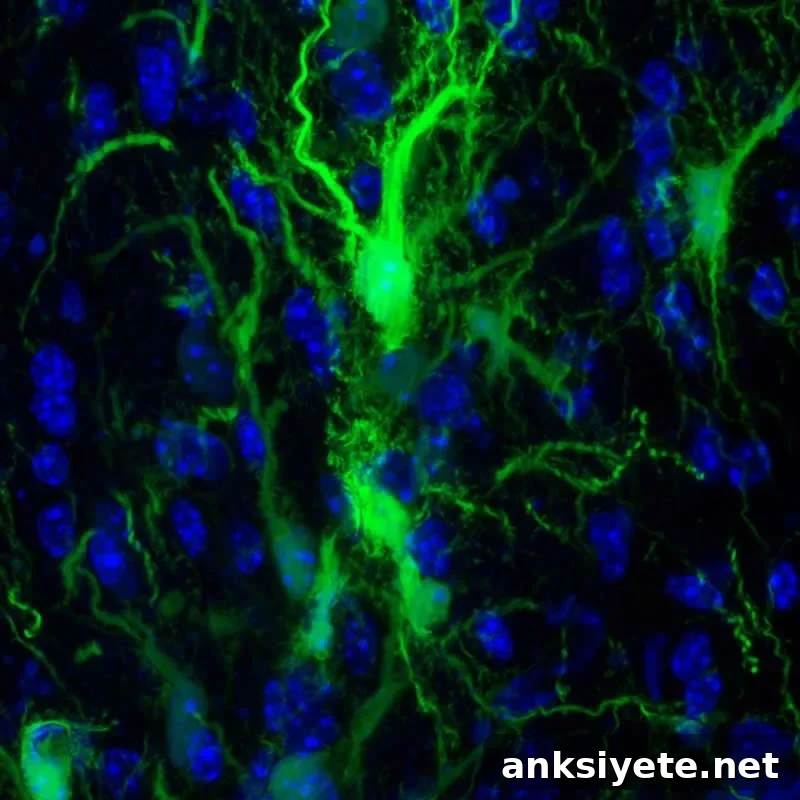
Summary: A newly identified subtype of fast-spiking interneuron fires with highly regular timing and may act as a neural metronome, driving perceptually important brain oscillations independently of the local field potential and direct sensory input. Source: Brown University Overview: Researchers at Brown University have identified a distinct class of neurons in the brain’s touch-processing area … Read more

First Human Clinical Trial to Test Gene Therapy for Alzheimer’s

featured 71605

Summary: Researchers have initiated the first-in-human Phase I clinical trial to evaluate the safety and feasibility of a gene therapy designed to deliver brain-derived neurotrophic factor (BDNF) directly to brain regions affected by Alzheimer’s disease and Mild Cognitive Impairment (MCI). Source: UCSD Researchers at the University of California San Diego School of Medicine have begun … Read more

Sesaminol from Sesame Shells May Combat Parkinson’s Disease

featured 72091

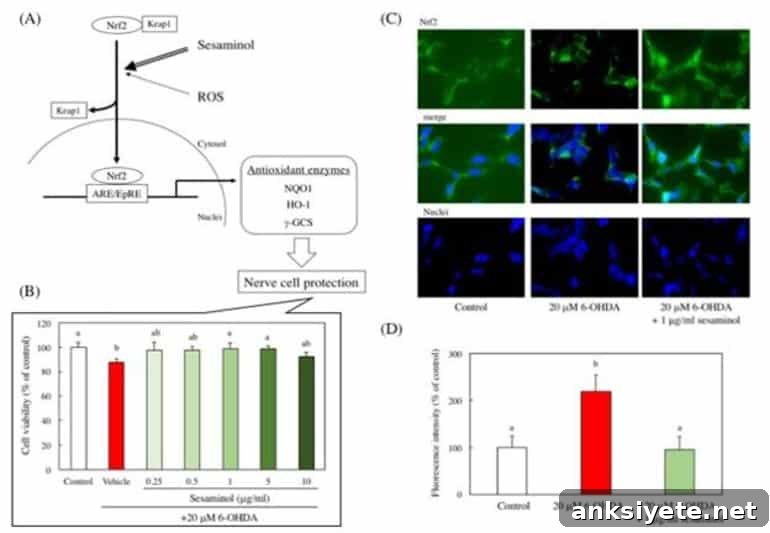
Summary: Sesaminol, a compound derived from sesame seed shells, shows neuroprotective effects in laboratory and animal models of Parkinson’s disease. Source: Osaka City University Sesame seed oil is prized for its nutty aroma and high smoke point, produced by extracting oil from sesame seeds while the seed husks are typically discarded. Researchers at Osaka City … Read more

How Sexual Objectification Alters Visual Perception

featured 47841

Summary: Researchers report that when people are sexually objectified, observers may visually process them in a way more similar to how they process inanimate objects. Source: University of Vienna. Researchers have proposed that sexually objectified individuals—women or men depicted with emphasis on sexual body parts—are visually processed in ways more akin to objects than to … Read more

Why Our Brains Struggle to Remember Colors

featured 20922

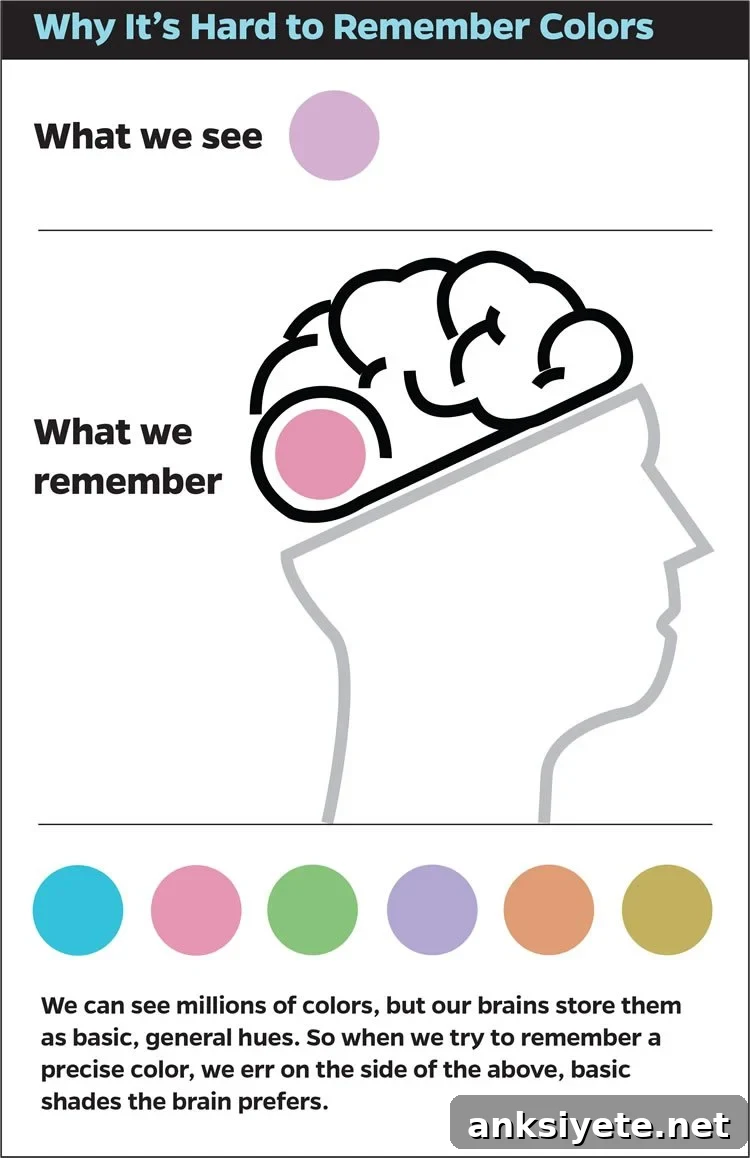
People can distinguish millions of colors, yet they struggle to remember precise shades because the brain tends to store colors as one of a few basic category exemplars, researchers led by Johns Hopkins University report. In a study published in the Journal of Experimental Psychology: General, cognitive psychologist Jonathan Flombaum and colleagues challenge common assumptions … Read more

Carrot vs. Stick: Which Motivates Learning More?

featured 55529

Summary: People are more confident and decide faster when pursuing rewards, but they become more adaptable and less overconfident when trying to avoid losses. Source: University of Geneva Does the prospect of winning or losing money change how confident we are in our decisions, and does it alter how quickly we learn? Researchers at the … Read more

Contaminated Rubber Hand May Reduce OCD Contamination Fear

featured 61505

Summary: The rubber hand illusion could offer a low-stress alternative to traditional exposure therapy for people with obsessive-compulsive disorder (OCD), especially those with contamination fears. Source: University of Cambridge Overview: Obsessive-compulsive disorder (OCD) affects up to one in 50 people worldwide. A common presentation, experienced by nearly half of patients, involves intense contamination fears—sometimes triggered … Read more

People With One Hand Reveal New Model of Brain Organization

featured 40132

Summary: A new study of people born with a single hand challenges conventional views of how the brain maps body parts and functions. Source: Cell Press A study published in Current Biology on April 20 reports that in people born without one hand, the brain region typically associated with that hand instead responds to other … Read more

Flickering Light May Trigger Brain Chemistry to Slow Alzheimer’s

featured 62045

Summary: Exposure to light flickering at 40 Hz prompts the brain to release a rapid surge of cytokines that activate microglia and reduce neuroinflammation. These findings could inform new approaches to treating Alzheimer’s disease. Source: Georgia Institute of Technology Background Alzheimer’s disease has resisted effective treatment for more than a century, but recent, unexpected research … Read more

Brain Stem Cells Survive Transplant Without Immunosuppressants

featured 59518

Summary: Researchers at Johns Hopkins Medicine have developed a method to transplant myelin-producing neural stem cells into mouse brains that avoids lifelong anti-rejection drugs by selectively inducing immune tolerance. Source: Johns Hopkins Medicine New method enables neural stem cell transplants without permanent immune suppression Johns Hopkins Medicine scientists report a promising technique, demonstrated in mice, … Read more