
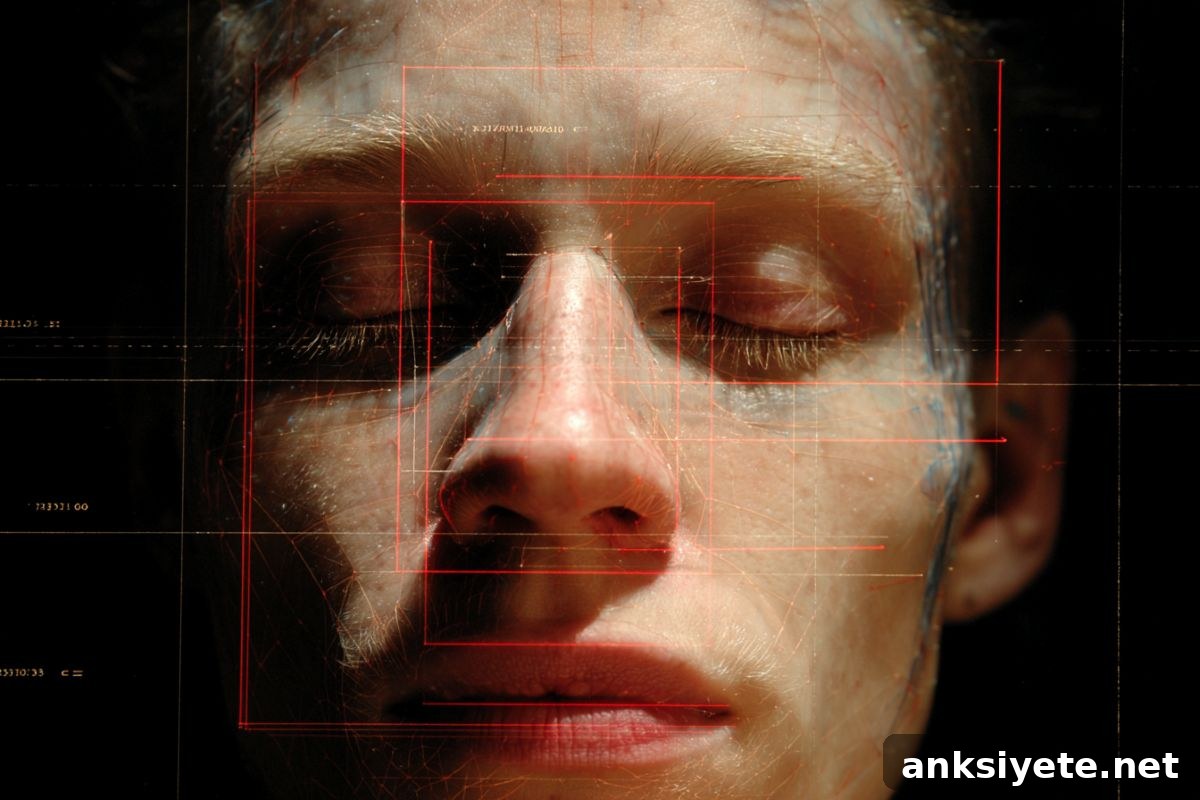
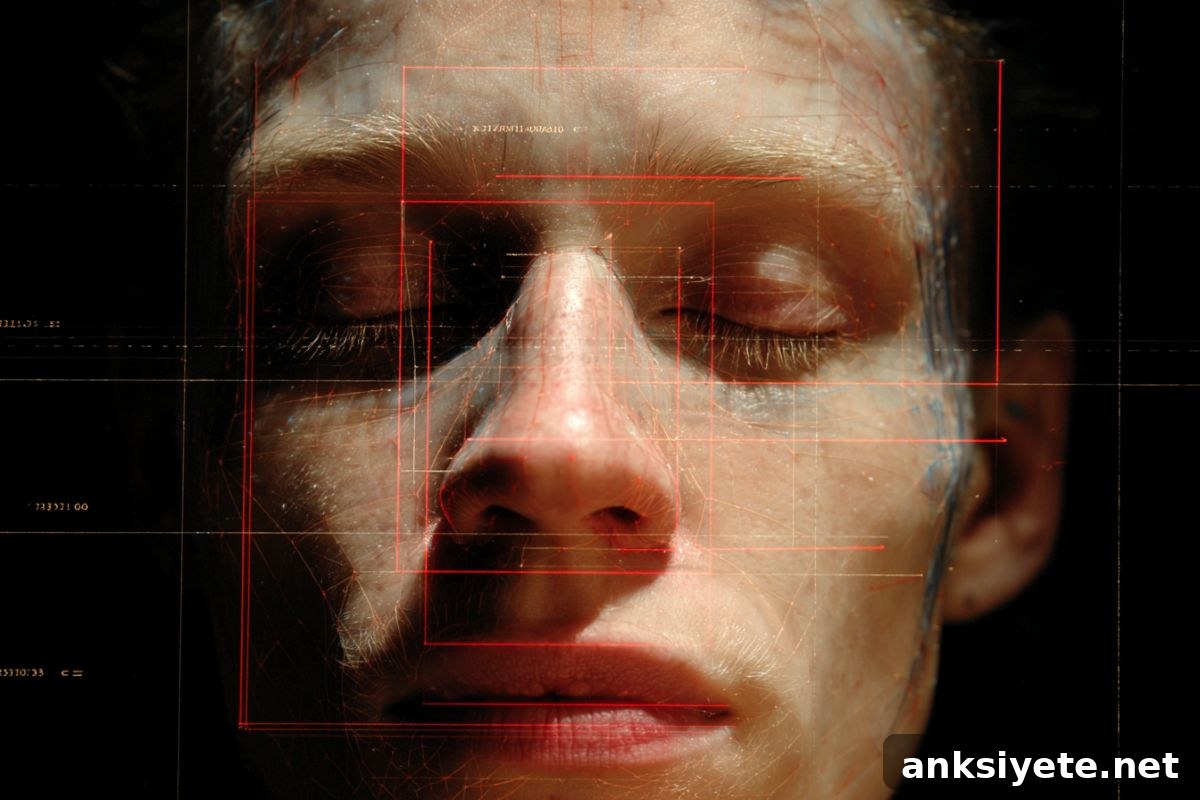
Summary: A computational neuroscience study has developed a precise, data-driven method to quantify human pain by tracking invisible, high-speed facial micromovement spikes. Using artificial intelligence and high-frame-rate video analysis, the research offers an objective alternative to the widely used, but subjective, 1-to-10 pain scale by decoding minute motor fluctuations that are imperceptible to the human eye.
The team demonstrated a direct physiological link between these facial micro-spikes and heart rate variability during acute pressure pain. This measurable connection creates an objective diagnostic approach for people who cannot communicate their pain verbally—such as young children, stroke survivors, and individuals with dementia—by reading involuntary signals from the motor and autonomic nervous systems.
Key Facts
- Moving beyond the 1-to-10 scale: The technique captures individualized physiological signals from the body’s motor system, offering a more precise measure than a single subjective rating.
- Facial micro-spikes: AI and high-speed video track rapid, subtle facial micromovements—brief spikes of activity that are too fast for human observers to see.
- Cardiac connection: Pairing facial tracking with heart rate variability shows that as pressure pain increases, heart rhythm becomes more irregular and corresponding micro-movements concentrate around the eyes.
- Cognitive crowding effect: Tasks with high cognitive load, like memory or attention challenges, reduce the observable face–heart correlation, suggesting cognitive engagement can naturally distract from pain signals.
- Scalable AI diagnostics: The team is working with Neuroinversa LLC, a Rutgers spinoff, to adapt the method into a smartphone app that could monitor pain levels and medication response in clinical and home settings.
Source: Rutgers
Researchers at Rutgers University–New Brunswick are developing a more accurate, objective way to measure pain than the traditional single-question scale.
Published in Frontiers in Neuroscience, the new study shows how tiny facial micromovement spikes can serve as reliable indicators of pain. These ultrafast motor fluctuations—brief, localized bursts of muscle activity—provide objective evidence of internal distress, especially when verbal reporting is not possible.
“Our goal was to move beyond a one-size-fits-all pain scale,” said Elizabeth Torres, professor of psychology at Rutgers School of Arts and Sciences, who led the study with doctoral researcher Mona Elsayed. “Individual pain tolerance varies widely. By measuring the body’s own signals, we can tailor care with far greater precision.”
The experiment recorded 45 adults before and during short, controlled pressure pain episodes. Participants were assessed at rest and while performing tasks that involved manual movement, tactile feedback, and cognitive demand. Using AI-based video analysis, researchers tracked facial muscle activity in parallel with heart rate variability (the timing between heartbeats).
Results revealed a clear relationship: as pain intensified, heart rhythms became more irregular and facial micromovement spikes increased, especially in the region around the eyes. The researchers observed these changes within seconds, showing how quickly autonomic disruption can be reflected in subtle facial motor patterns.
Activity type affected the strength of the face–heart link. Tactile and haptic tasks—such as drawing or manipulating objects—showed the strongest correlation between facial micromovements and heart rhythm. In contrast, tasks with a heavy cognitive load weakened that correlation, indicating that focused mental activity can partially suppress the outward expression of pain.
“High cognitive load appears to crowd out pain signals,” Torres noted. “That suggests a potential therapeutic strategy: engaging attention to reduce the salience of pain.”
This study builds on work from Torres’ Sensory Motor Integration Lab, which has analyzed micromovements in conditions such as autism and Parkinson’s disease. As a computational neuroscientist, Torres applies mathematical models to decode internal states from subtle bodily signals. In previous nonverbal autism research, similar micromovement patterns gave clinicians important clues about distress that caregivers might otherwise miss.
The approach pairs facial video with heart monitoring, but Torres and colleagues emphasize that modern smartphones and cloud-based AI could eventually capture and analyze these signals without specialized lab gear. That would enable wider use in clinics, long-term care settings, and remote monitoring, making objective pain assessment more scalable.
The researchers stress that the work is still in early stages. The study sample was modest but statistically robust thanks to the high sensitivity of personalized micromovement metrics. Next steps include validating the method in larger and more diverse populations, including people with chronic pain.
Torres and collaborators are translating the technology into a smartphone application through Neuroinversa LLC, a Rutgers–New Brunswick spinoff that licensed the method from the university. Once developed and validated, the app could allow clinicians and patients to monitor treatment response in real time—detecting how quickly a medication takes effect and whether dose adjustments are needed.
“A brief facial scan could replace imprecise paper scales,” Torres said. “A digital dashboard would let people track their own biorhythms and help clinicians make data-driven decisions.”
Key Questions Answered:
A: Self-reporting assumes a uniform pain threshold and is impossible for people who cannot speak. The AI method reads involuntary biological indicators directly from the nervous system, providing objective measures for nonverbal or impaired patients.
A: Human vision is limited in frame rate and sensitivity. High-speed video and AI capture microscopic, rapid facial fluctuations—micromovement spikes—that coincide with autonomic changes in heart rhythm during pain.
A: The framework is being developed into a smartphone application by Neuroinversa LLC. It is in early development and testing, with the goal of providing a simple facial scan to track whether drugs are effective and to guide dosing decisions.
Editorial Notes:
- This article was edited by a Neuroscience News editor.
- The full journal paper was reviewed.
- Additional context was added by staff.
About this pain and neurotech research news
Author: Megan Schumann
Source: Rutgers University
Contact: Megan Schumann – Rutgers University
Image: The image is credited to Neuroscience News
Original Research: Open access. “Facial micro-movements as a proxy of increasingly erratic heart rate variability while experiencing pressure pain” by Elizabeth B. Torres and Mona Elsayed. Frontiers in Neuroscience
DOI: 10.3389/fnins.2026.1702124
Abstract
Facial micro-movements as a proxy of increasingly erratic heart rate variability while experiencing pressure pain
Introduction:
Pain varies greatly between individuals and within the same person over time, and coarse subjective reports cannot capture those nuances. Accurate, individualized measures are essential for tailoring effective therapies but are often lacking in clinical practice.
Methods:
The study introduced a set of assays to evaluate pressure pain across tasks with different motor and cognitive demands compared with rest. Healthy participants were observed in pain-free and pain states during rest, drawing with cognitive demand, pointing to a target, and performing a grooved peg-like task. Researchers applied a standardized measure—micro-movement spikes (MMS)—to describe biorhythmic facial micro-expressions and micro-fluctuations in inter-beat heart timings.
Results:
MMS peak distributions for both facial and cardiac signals fit a continuous Gamma family of probability distributions. Changes in the Gamma parameters revealed a scaling relationship: as the noise-to-signal ratio increased in heart inter-beat intervals, facial ophthalmic-region micro-movements also became noisier and more random. Correlation was stronger in tasks involving haptic feedback (R² ~ 0.84) and weaker during tasks with greater cognitive load (R² ~ 0.77).
Conclusion:
Transfer entropy analyses indicate that recent past activity in heart and facial signals reduces uncertainty in predicting current ophthalmic facial activity, supporting the idea that the eye region can act as a proxy for dysregulated cardiac rhythms during pain. These findings have practical implications for detecting and monitoring pressure pain objectively.