How AI Uses Language to Master Human Tasks

featured 100753

Summary: Researchers at the University of Geneva have developed an artificial intelligence system that can learn new tasks from verbal or written instructions and then describe those tasks linguistically to another AI so it can perform them. This advance demonstrates, for the first time in a neural model, the ability to transform language into sensorimotor … Read more
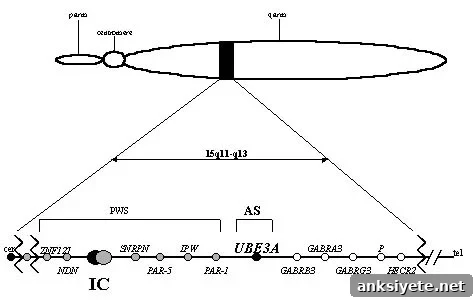
Prader-Willi Symptoms: Circadian and Metabolic Gene Disruption

featured 10384

Researchers from the UC Davis MIND Institute and Agilent Laboratories report that Prader-Willi syndrome — a genetic disorder often associated with an insatiable appetite and a high risk of morbid obesity — is linked to the loss of specific non-coding RNAs. This loss disrupts the regulation of circadian and metabolic genes, alters energy expenditure, and … Read more

How a Deadly Fungus Causes Meningitis and Brain Infections

featured 49750

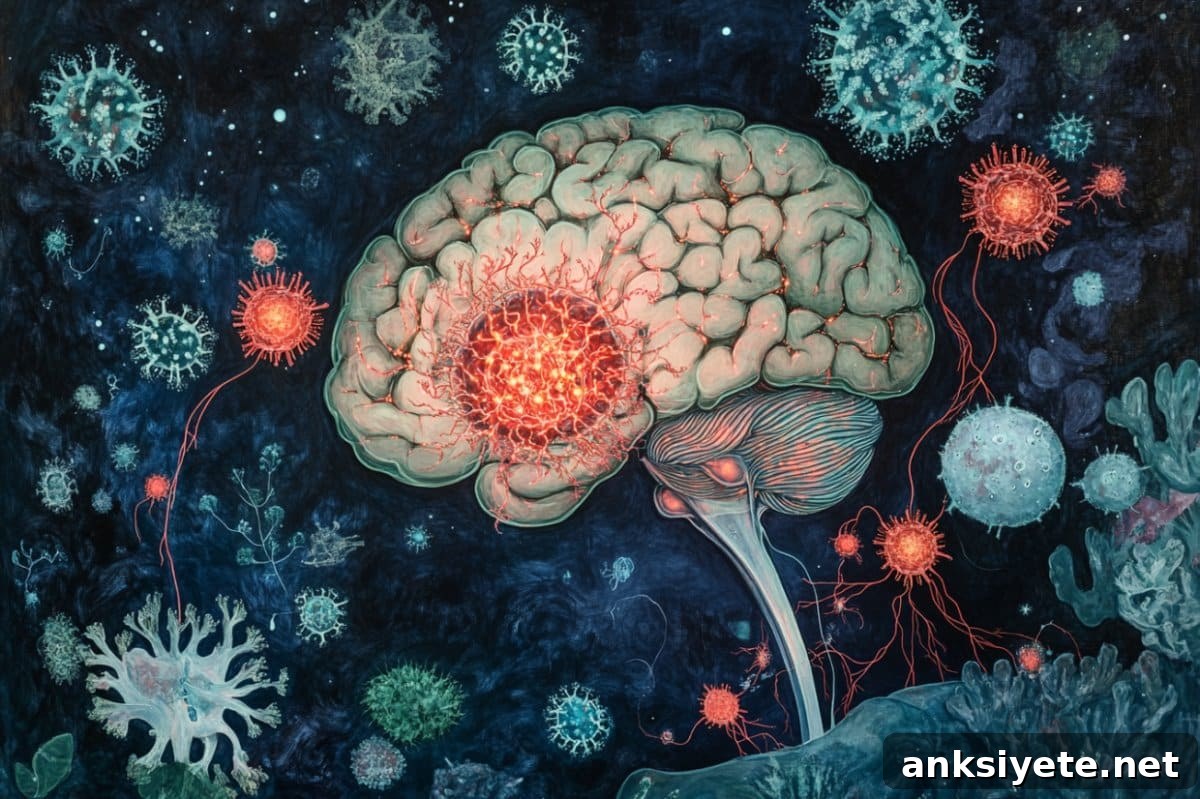
Summary: A new study from the University of Sydney describes how the early immune response can inadvertently help a fungus invade the brain, leading to neurocryptococcosis and cryptococcal meningitis. These findings point to potential new strategies to prevent and treat this serious infection. Source: University of Sydney. Published in The American Journal of Pathology, the … Read more

T Cells Detected in Non-Diseased Human Brains

featured 110555

Summary: New research overturns a long-held belief by showing that T cells—key components of the adaptive immune system—are present in healthy brains of both mice and humans. Previously thought to appear only during disease, these T cells are most concentrated in the subfornical organ, a brain region that monitors hunger and thirst. The study indicates … Read more

How Exercise Boosts Hormone Delivery to the Brain

featured 114380

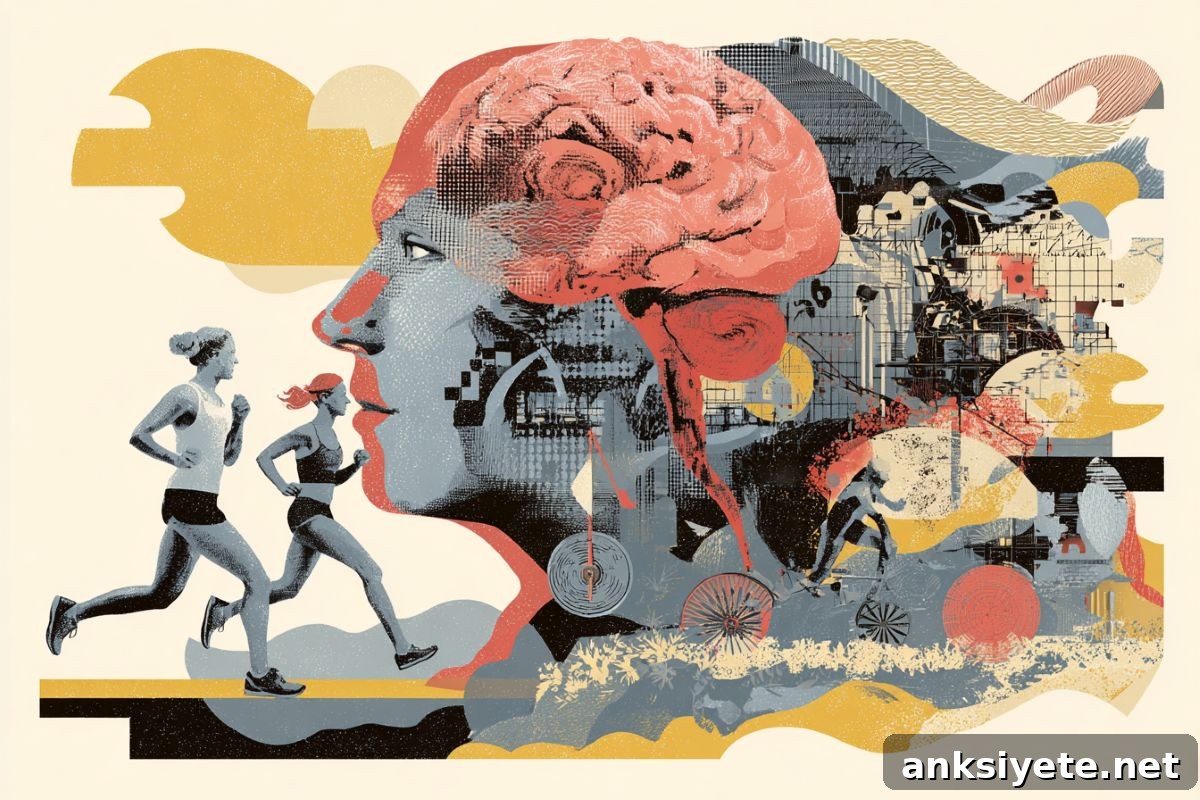
Summary: Physical exercise triggers tiny particles in the blood known as extracellular vesicles (EVs) to act as temporary transport shuttles for important hormone precursors. During vigorous exercise, the amount of the hormone precursor proopiomelanocortin (POMC) associated with EVs increases about fourfold, revealing a potential mechanism by which movement can rapidly alter stress responses, energy balance, … Read more

New Study: Mild COVID May Alter the Brain — How Long?

featured 77539

Summary: Preliminary findings suggest even mild COVID-19 infection may have lasting effects on brain health and cognitive function. Source: The Conversation After more than 18 months of the pandemic, researchers are collecting consistent, important evidence about how COVID-19 affects the body and the brain. Emerging results are prompting concern about possible long-term consequences of the … Read more

Maternal Herpes During Pregnancy Linked to Higher Autism Risk

featured 39066

Autism Risk Linked to Maternal Genital Herpes During Early Pregnancy Summary: A study finds an association between maternal genital herpes infection during early pregnancy and an increased risk of autism spectrum disorder (ASD) in children, particularly males. Source: Columbia University Researchers at Columbia University’s Mailman School of Public Health and the Norwegian Institute of Public … Read more

Choosing the Right Dog Is Like Dating: Find Your Match

featured 57586

Summary: New findings from Indiana University suggest ways animal shelters can refine the adoption process to match people with the right dog more effectively. Source: Indiana University Psychologists from Indiana University who study partner choice have applied their methods to another meaningful relationship: selecting a dog. Their study, published in the journal Behavior Research Methods, … Read more

AI Predicts Early Cognitive Decline That May Signal Alzheimer’s

featured 51682

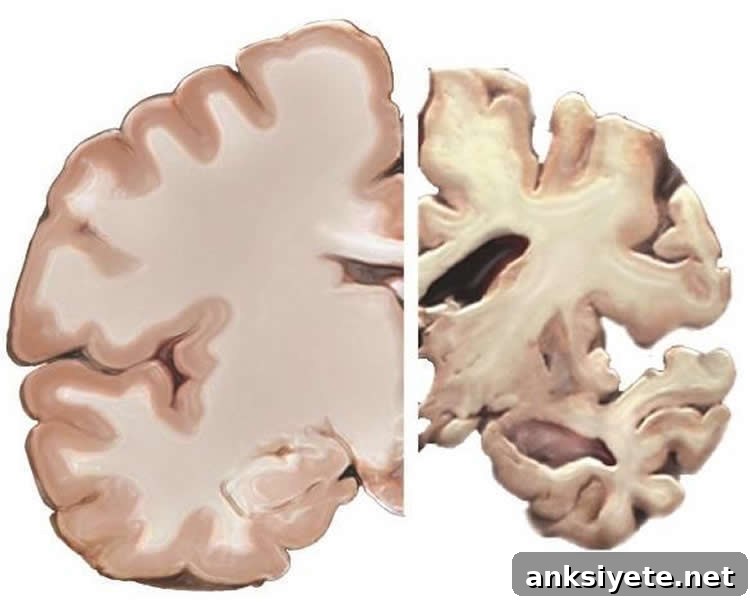
Summary: Researchers have developed a machine-learning algorithm that can accurately forecast cognitive decline that may lead to Alzheimer’s disease. The model uses MRI, genetic, and clinical data to identify people at higher risk, potentially guiding earlier prevention and treatment strategies. Source: McGill University. New AI model predicts trajectories of cognitive decline linked to Alzheimer’s Researchers … Read more

How Eye Movements Set the Speed Limit of Vision

featured 109731

Summary: The speed of your rapid eye movements—saccades—determines how fast an object can move before it effectively disappears from conscious sight. Stimuli that match the speed and trajectory of a saccade can become imperceptible, revealing that our own movements shape the limits of visual perception. People with faster saccades can perceive faster-moving objects, indicating a … Read more