Are Firstborns Natural Leaders? Evidence from Studies

featured 62303

Summary: Do firstborn children naturally emerge as leaders? This article examines the so-called “firstborn effect,” reviews what early theories and recent research say about birth order and personality, and highlights limitations in the evidence. Source: The Conversation Popular beliefs Most cultures carry familiar assumptions about birth order: the firstborn is often seen as responsible and … Read more

How Circadian Rhythms Predict Your Mealtimes

featured 90884

Summary: New research shows the human body can anticipate the timing of regular meals. The study also indicates that daily blood-glucose rhythms are influenced by both when and how much we eat. Source: University of Surrey Researchers at the University of Surrey report that the human body appears to predict regular mealtimes, and that meal … Read more

Noninvasive Methods to Measure Consciousness

featured 92190

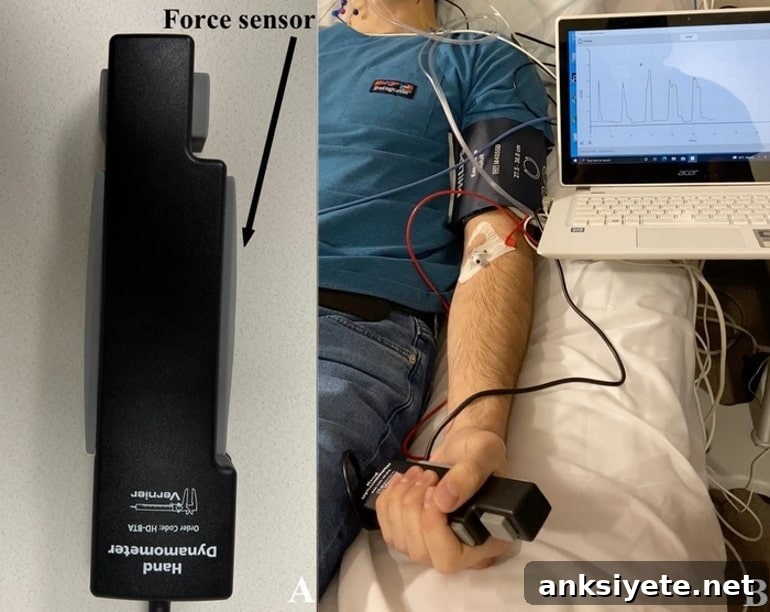
Summary: Researchers validated a stimulus-free method to assess consciousness by asking volunteers to squeeze a force sensor on inhalation and release on exhalation. This breathe–squeeze paradigm produced precise, sensitive measures of transitions between conscious and unconscious states during dexmedetomidine sedation and may improve clinical monitoring for insomnia treatment and coma recovery. Source: Picower Institute for … Read more

Rheumatoid Arthritis: How Progression Differs in Men and Women

featured 87382

Summary: New research highlights sex-specific differences in dopamine-regulated signaling within B cells and suggests that dopamine may promote inflammation in women with rheumatoid arthritis. Source: IfADo Rheumatoid arthritis (RA) is an autoimmune condition marked by chronic inflammation of the joints, often causing pain, loss of function, and long-term disability. The disease shows clear differences in … Read more

Exposure to Hate Speech Primes the Brain for Hateful Actions

featured 53487

Summary: Researchers describe how hearing or reading certain words can trigger brain systems and prompt actions. They outline a simulation theory in which perceiving language drives neural systems into states closely resembling those produced by directly experiencing the described events. Source: The Conversation. How words can move the brain — and the body A simple … Read more

New Cellular Pathway Explains How an Anti-Aging Drug Works

featured 56509

Summary: TRPML1 may play a key role in the neuroprotective and anti-aging effects of rapamycin. Source: University of Michigan Easter Island, known as Rapa Nui and famed for its moai statues, gave the world an unexpected medical discovery: the natural product rapamycin. Discovered in soil bacteria from Rapa Nui, rapamycin has been used for decades … Read more

COVID-19 Digestive Symptoms: Common Signs in Patients

featured 63205

Summary: Digestive symptoms such as diarrhea and loss of appetite are common among COVID-19 patients. In a multicenter study from Hubei province, nearly half of the patients reported digestive complaints, and for some those symptoms were the primary or sole presentation. Digestive Symptoms Frequently Present in COVID-19 Patients, Hubei Study Shows Source: Wolters Kluwer Health … Read more

Retinal Imaging Reveals Early Brain Changes

featured 7990

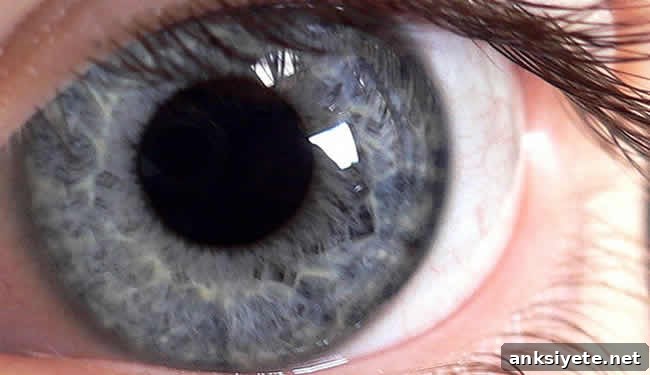
Inexpensive Five-Minute Retinal Scan Predicts Brain Damage in Multiple Sclerosis Summary: A quick, low-cost retinal scan can reliably assess brain damage and indicate disease progression in people with multiple sclerosis (MS), according to two studies led by researchers at Johns Hopkins University. Using optical coherence tomography (OCT) and advanced analysis software, investigators measured retinal layers … Read more

Human and AI Learning Strategies: How They Align

featured 112680

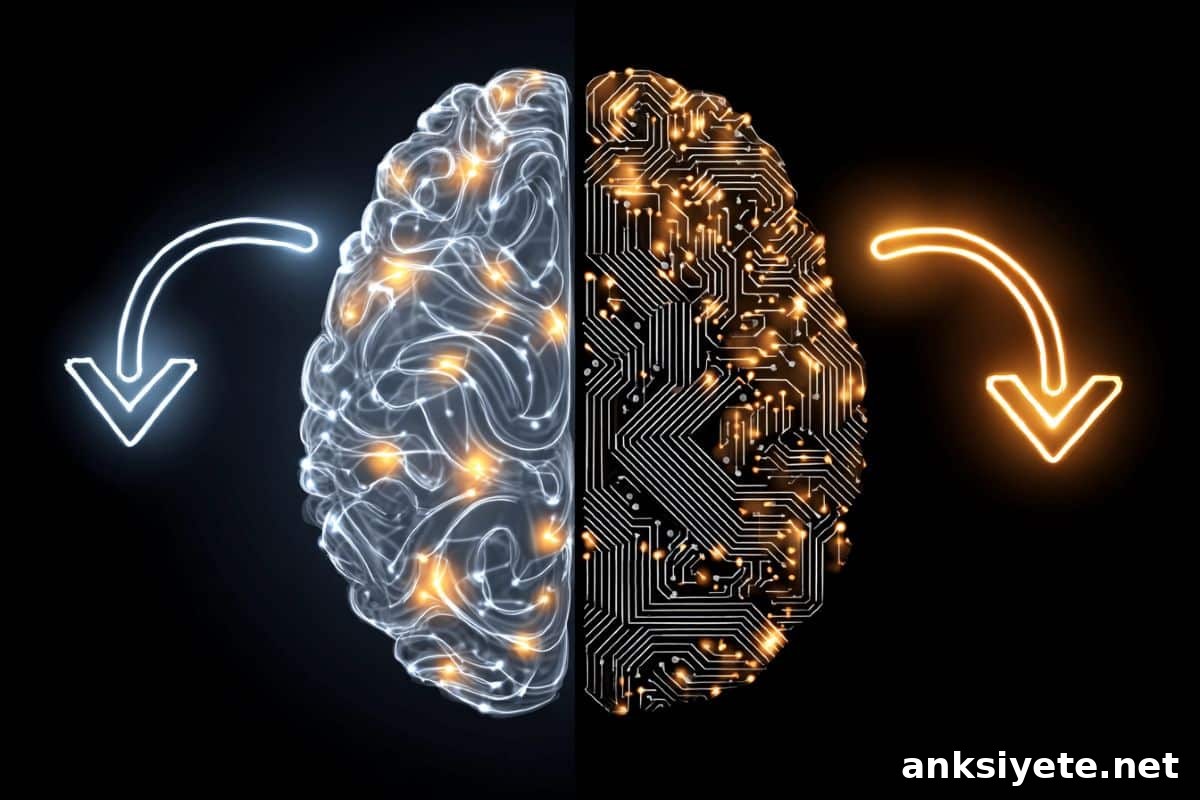
Summary: New research shows that humans and artificial intelligence employ two complementary learning systems in similar ways: a fast, flexible in-context learning mechanism and a slower, incremental form of learning. Experiments reveal that AI can develop human-like in-context learning after extensive incremental training, and both systems show comparable trade-offs between adaptability and long-term retention. The … Read more

MRI Study Finds Prenatal Alcohol Exposure Alters Fetal Brain

featured 79169

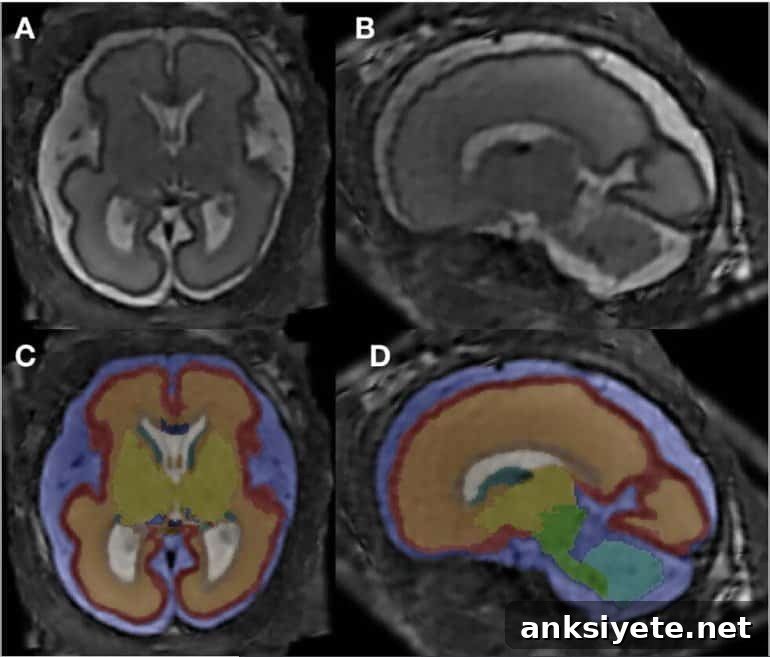
Summary: A fetal MRI study identifies measurable structural differences in brains exposed to alcohol during pregnancy. Investigators report larger corpus callosum volume and reduced volume in the periventricular zone in alcohol-exposed fetuses compared with healthy controls. Source: RSNA Researchers reporting at the Radiological Society of North America (RSNA) annual meeting describe the first MRI-based study … Read more