How Gut Bacteria Influence Age-Related Conditions
featured 44673

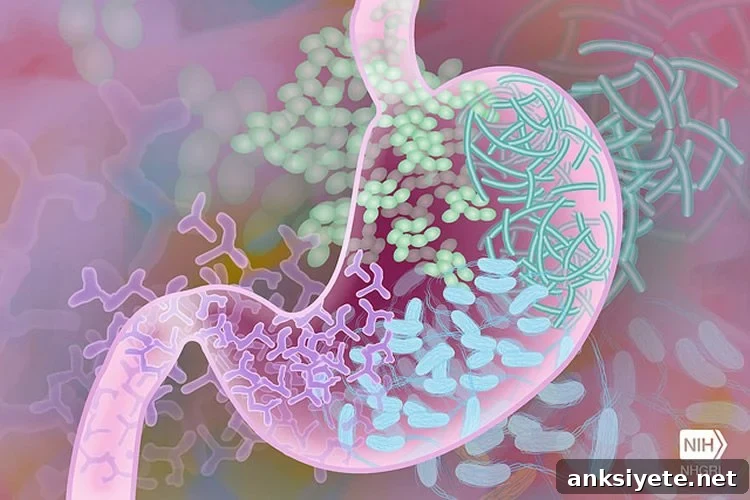
Summary: Researchers transplanted gut bacteria from older mice into young mice and observed low-grade, age-related chronic inflammation afterwards. This phenomenon, called inflammaging, is associated with age-linked conditions such as stroke, dementia and cardiovascular disease. Source: Frontiers. New research demonstrates that transferring gut bacteria from aged mice into young, germ-free mice induces chronic, low-grade inflammation characteristic … Read more

Scientists Pinpoint Source of Early Brain Activity

featured 44721

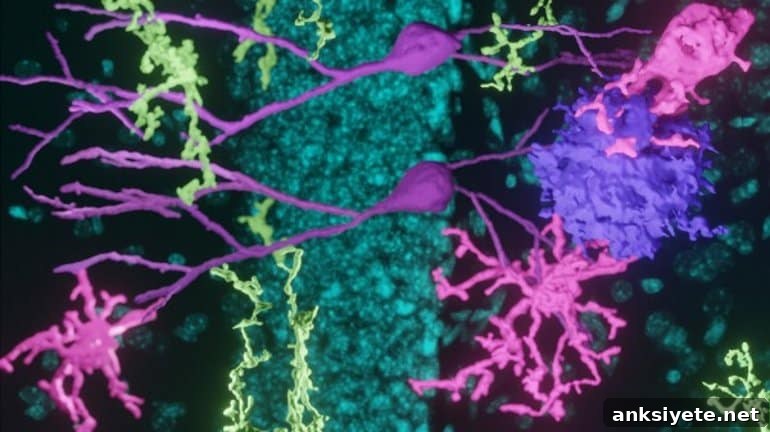
Summary: New research identifies a cellular mechanism that links early sound exposure to sensory processing and cognitive development in the immature brain. Source: University of Maryland Early sound experience and the developing brain Many expectant parents play music—often classical—during pregnancy with the hope of enhancing their child’s future cognitive abilities. Although prior studies have hinted … Read more

New Neurons Restore Memory and Mood in Alzheimer’s Disease

featured 92330

Summary: Stimulating the supramammillary nucleus (SuM) in the hypothalamus boosted the generation and function of adult-born hippocampal neurons in mouse models of Alzheimer’s disease. Those improved neurons helped reverse both memory deficits and mood-related symptoms in the affected mice. Source: UNC In the adult human brain, the hippocampus continues to produce new neurons—known as adult-born … Read more

How Testosterone Affects the Brain: Mechanisms and Behavior

featured 76648

Summary: Researchers will pinpoint which elements of social behavior are regulated by androgens and determine the cellular and molecular mechanisms behind that regulation. Source: University of Houston Most people recognize testosterone as an androgen linked to male physiology and behavior — influencing libido, aggression, and mood — but the detailed mechanisms by which it and … Read more

Why an Older Brother May Slow a Child’s Language Development

featured 59365

Summary: Young children with older sisters show better early language outcomes than those with older brothers. Source: CNRS Overview It might seem intuitive that having an older sibling would expose a younger child to more conversation and accelerate language learning. However, multiple studies have shown that the presence of an older sibling can sometimes be … Read more

Brain Imaging Reveals Neural Basis of Empathy

featured 41435

Summary: Researchers used neuroimaging to identify reliable brain patterns linked to two distinct empathic responses—compassionate care and empathic distress—that are consistent and predictable across people. Source: Cell Press. When we see others suffer, we can respond in different ways: we may feel distressed as we imagine another’s pain, or we may experience empathic care—compassion and … Read more

Brain Signals Reveal Why Memories Differ

featured 97231

Summary: Researchers have mapped brain signals that relate to differences in human memory performance. In the largest functional imaging study of memory to date, nearly 1,500 young adults underwent fMRI while encoding 72 images, revealing brain activity patterns that correlate with how well individuals later remembered the images. Activity in specific brain regions—most notably the … Read more

Study: Brain Activity Changes Linked to Empathy Loss in Dementia

featured 106669

Summary: Frontotemporal dementia, which represents roughly three percent of dementia diagnoses in Sweden, frequently features a pronounced loss of empathy that creates profound challenges for patients and their families. A recent study using functional magnetic resonance imaging (fMRI) shows that people with frontotemporal dementia fail to engage the brain networks normally involved in empathic responses … Read more

Quantum Dots for Targeted Neural Activation

featured 5999

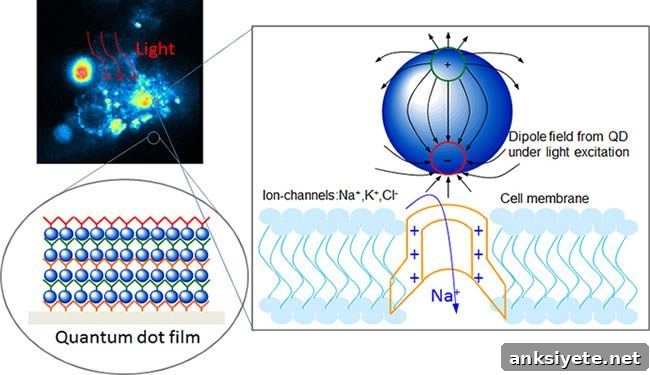
New technique holds promise for better understanding of brain disorders Researchers at the University of Washington have developed a highly targeted method to stimulate individual cells using quantum dots—nanoscale semiconductor particles that emit light when excited. This approach promises finer control over neuronal activity than traditional electrical stimulation, and could improve our ability to study … Read more

Leafy Greens May Slow Brain Aging by 11 Years, Study Finds

featured 45806

Summary: A new study from researchers at Rush University indicates that eating one serving of leafy green vegetables daily may help preserve memory and thinking skills in older adults. Source: Rush University Medical Center Eating one serving of leafy greens daily may slow cognitive decline in older adults, a Rush University study suggests While some … Read more