
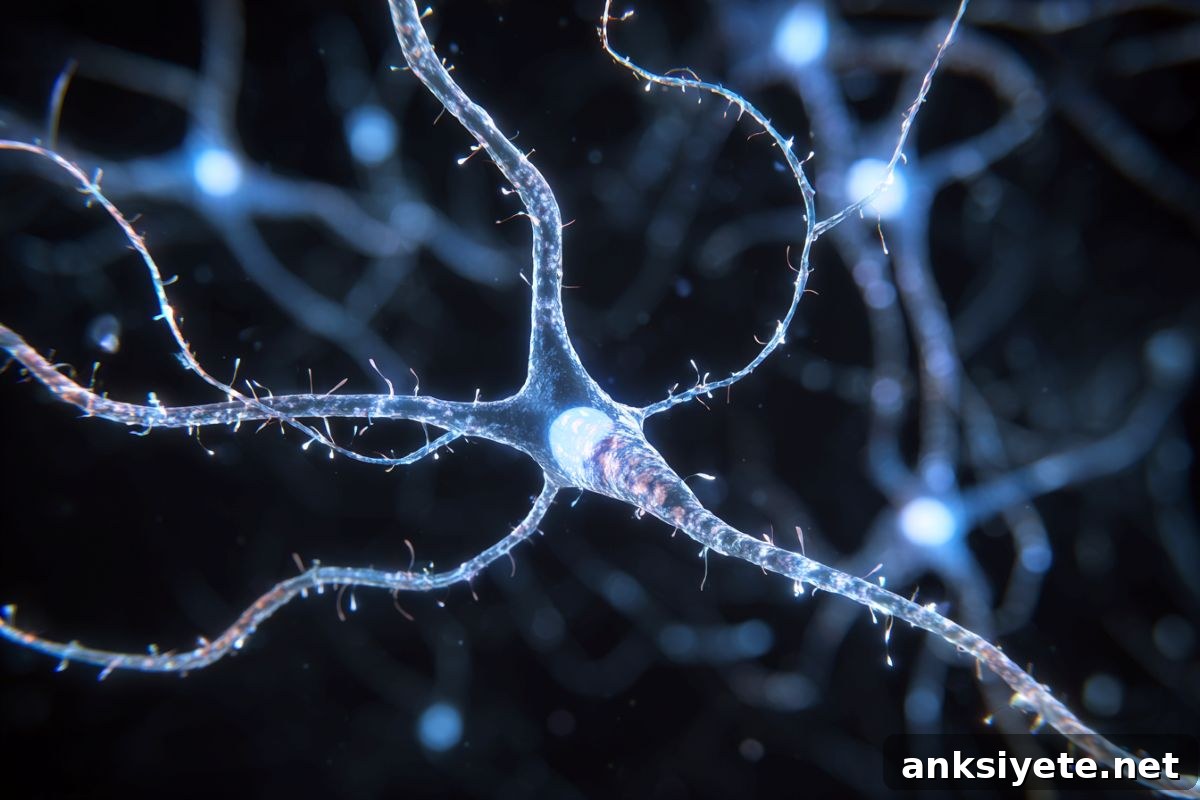
Summary: Researchers have identified a major reason why the human spinal cord and adult peripheral nerves struggle to repair themselves: a protein called the aryl hydrocarbon receptor (AHR). New experiments show that AHR acts as a biological “brake” inside neurons. After injury, AHR shifts the neuron’s priorities toward survival and maintaining protein quality rather than producing the new proteins and metabolic changes needed for axon regrowth. Blocking AHR flips that switch, enabling axon regeneration and improving motor and sensory recovery in animal models.
When AHR activity is reduced—either genetically or with drugs—neurons transition from a proteostasis-focused state to a growth-focused state. This transition requires another regulator, HIF-1α, which activates metabolic and repair genes that support rapid tissue regrowth. Because AHR inhibitors are already being evaluated in clinical trials for other diseases, these findings could accelerate the development of therapies to treat spinal cord injury, peripheral nerve damage, and stroke.
Key Facts
- The survival–growth trade-off: After axonal injury, neurons prioritize either proteostasis (protecting existing proteins) or producing new proteins for regrowth. Active AHR pushes neurons toward proteostasis, which limits regeneration.
- Releasing the brake: Removing or pharmacologically blocking AHR triggers mass production of growth-related proteins and signaling pathways, enhancing axon regeneration and functional recovery in mouse models.
- HIF-1α is essential: Once AHR is inhibited, HIF-1α helps reprogram neuronal metabolism and gene expression to support regrowth.
- Environmental sensor with an internal role: AHR was first known for sensing environmental toxins, but it also plays a central role in controlling neuronal injury responses and regenerative capacity.
- Clinical potential: Existing AHR-targeting compounds could be repurposed or tested for nerve and spinal cord repair, though human studies are still needed.
Source: Mount Sinai Hospital
Researchers at the Icahn School of Medicine at Mount Sinai have identified a molecular switch inside neurons that limits axon regrowth after injury.
Published in the journal Nature, the study demonstrates that inhibiting the aryl hydrocarbon receptor (AHR) promotes axon regeneration and functional recovery in models of peripheral nerve and spinal cord injury. The findings clarify how injured neurons prioritize stress management over repair, and how that balance can be shifted to favor regeneration.
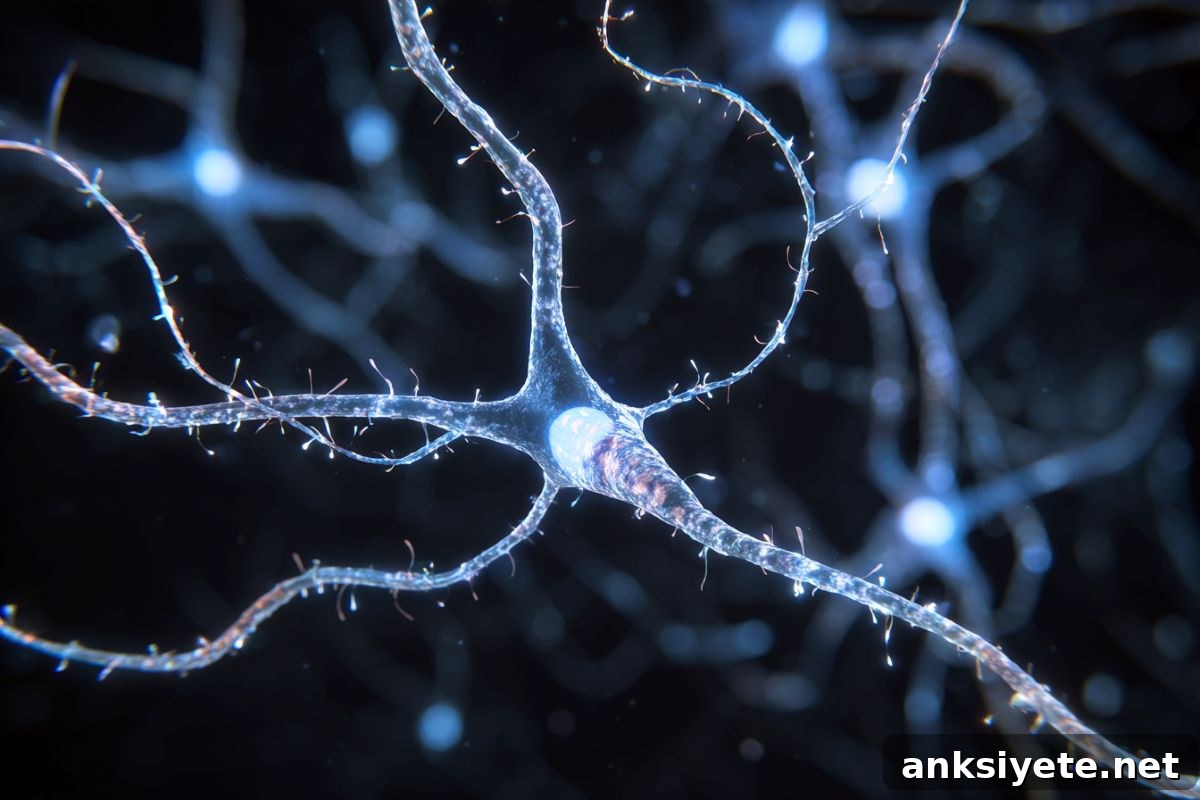
Axons are long, cable-like projections that transmit signals between neurons throughout the central and peripheral nervous systems. When axons are severed or damaged, effective recovery requires the neuron to regrow these projections. Adult mammalian neurons, however, generally show poor axon regeneration, which is why many spinal cord and nerve injuries cause lasting deficits in movement and sensation.
The Mount Sinai team found that AHR is a central regulator of the neuron’s response to injury. According to senior author Hongyan Zou, MD, PhD, AHR functions as a brake that diverts resources toward preserving cellular integrity instead of rebuilding axonal connections. When AHR signaling is active, axon growth is restrained. In contrast, genetic deletion or pharmacological inhibition of AHR led to enhanced axon regrowth and improved motor and sensory outcomes in mice.
Mechanistically, AHR activation after axotomy enforces proteostasis and stress-response programs to protect tissue. While protective, this response suppresses the production of new proteins necessary for growth. Turning off AHR reorients the neuron’s program toward increased de novo protein synthesis and pro-growth signaling. The pro-regenerative response also depends on HIF-1α, which coordinates metabolic and repair pathways essential for effective tissue reconstruction.
These results suggest a new therapeutic strategy: temporarily inhibiting AHR to unlock the neuron’s intrinsic capacity to regenerate. Because some AHR inhibitors are undergoing clinical testing for other conditions, there is a potential path to repurposing existing compounds for neurological repair. Yet, important questions remain, including optimal timing, dosing, and potential effects on other cell types after injury.
The research team plans follow-up studies to test AHR-blocking drugs and gene-therapy approaches that reduce neuronal AHR activity. Their goal is to determine whether such interventions can further boost axon regrowth and improve recovery after spinal cord injury, stroke, and other nervous-system disorders.
Key Questions Answered:
A: It reflects an evolutionary trade-off. Following severe injury, a neuron’s immediate priority is survival. AHR helps maintain proteostasis and cell integrity, preventing further damage or cell death. In adult mammals, this survival response is often so dominant that it suppresses the later switch to active regeneration.
A: The findings are promising but preliminary. Because AHR inhibitors are already in clinical trials for other diseases, their safety profiles are partially understood. If they reproduce the regenerative effects seen in animal models, they could become part of therapies for nerve injury, combined with rehabilitation. Human trials are needed to confirm efficacy and safety.
A: Many prior studies have targeted the extracellular environment—scar tissue, inhibitory molecules, or supporting cells. This study focuses on reprogramming the neuron’s internal response to injury. By shifting the neuron’s intrinsic state from stress management to growth promotion, it offers a complementary strategy to environment-focused approaches.
Editorial Notes:
- This article was edited by a Neuroscience News editor.
- The journal article was reviewed in full by editorial staff.
- Additional context was provided by the reporting team.
About this neurology research news
Author: Elizabeth Dowling
Source: Mount Sinai Hospital
Contact: Elizabeth Dowling – Mount Sinai Hospital
Image: Image credited to Neuroscience News
Original Research: Open access. “AhR inhibition promotes axon regeneration via a stress–growth switch” by Dalia Halawani, Yiqun Wang, Jiaxi Li, Daniel Halperin, Haofei Ni, Molly Estill, Aarthi Ramakrishnan, Li Shen, Arthur Sefiani, Cédric G. Geoffroy, Roland H. Friedel & Hongyan Zou. Nature. DOI: 10.1038/s41586-026-10295-z
Abstract
AhR inhibition promotes axon regeneration via a stress–growth switch
Axon regeneration is limited in the mammalian central nervous system because injured neurons must balance cellular stress responses with the demands of regrowth. This study identifies the aryl hydrocarbon receptor (AhR), a ligand-activated transcription factor, as a central regulator of that stress–growth switch. Ligand-driven AhR signaling restrains axon extension, whereas neuronal deletion or pharmacological blockade of AhR enhances axonal regeneration and functional recovery in models of peripheral nerve and spinal cord injury.
Mechanistic experiments demonstrate that axotomy-induced AhR activation in dorsal root ganglion neurons enforces proteostasis and stress-response programs to preserve tissue integrity. In contrast, AhR loss redirects neurons toward increased de novo protein synthesis and pro-growth signaling, enabling axon regeneration. This growth effect requires HIF-1α, and shared transcriptional targets are enriched for metabolic and regenerative pathways. Single-cell and epigenomic analyses show that the AhR regulon engages the integrated stress response and DNA hydroxymethylation to rewire neuronal injury-response programs. Together, the results establish AhR as a neuronal brake on axon regeneration that integrates environmental sensing, protein homeostasis, and metabolic signaling to control the balance between stress adaptation and axonal repair.