AI-Trained Robot Performs Complex Surgery Autonomously

featured 111550

Summary: A surgical robot trained on real procedure videos autonomously completed a critical phase of gallbladder removal, adapting to unexpected situations and following spoken guidance from the surgical team. This achievement highlights how artificial intelligence can combine precise instrument control with the flexibility required for real-world surgery. Using a machine-learning architecture related to large language … Read more
Cancer Pathway Weakens Blood-Brain and Blood-Retina Barriers

featured 111546

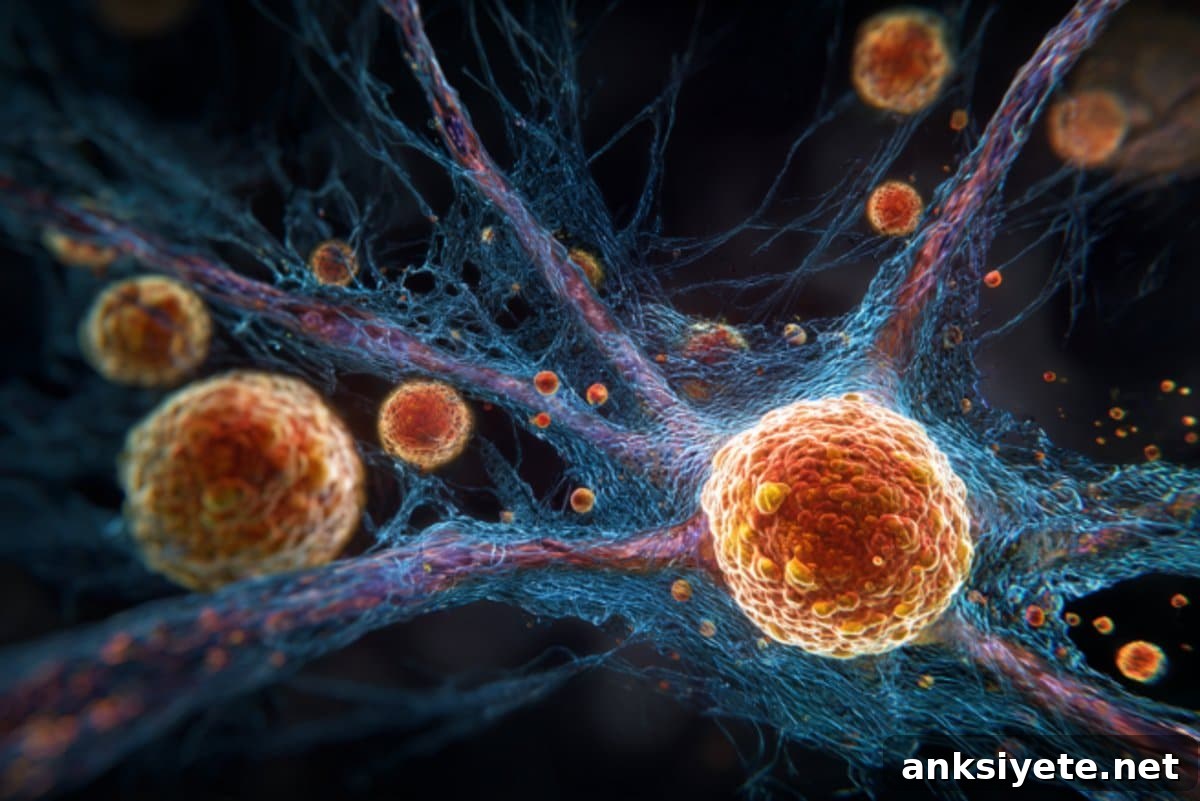
Summary: Researchers have discovered an unexpected connection between a well-known cancer signaling axis and the protective blood-brain and blood-retina barriers. The study shows that the tumor-suppressor protein p53 can weaken Norrin/Frizzled4 signaling—an essential pathway for vascular stability in the central nervous system—largely by reducing levels of the condensin I complex component NCAPH. These results indicate … Read more

Why Our Memory Prioritizes Meaning Over Surface Similarities

featured 111542

Summary: Memory helps us interpret the present by retrieving past experiences that match either surface features (same places, people, or sensations) or deeper conceptual patterns (similar intentions, problems, or actions). New research from the University of Geneva shows that when a familiar mental category—such as “excuses,” “conflicts,” or “superstition”—is available, memory prioritizes these abstract, structural … Read more

Music Lessons Boost Kids’ Wellbeing, Confidence and Belonging

featured 111538

Summary: A new scoping review from Edith Cowan University reveals that structured music learning significantly supports children’s and adolescents’ social, emotional, and educational wellbeing. Beyond casual listening or occasional participation, ongoing music education fosters confidence, emotional awareness, and a stronger sense of belonging—benefits that researchers argue should make music a core wellbeing strategy in schools. … Read more

Why Dopamine Acts Locally in the Brain, Not Globally

featured 111534

Summary: New research overturns a long-held view of how dopamine communicates in the brain, showing it signals with remarkable spatial and temporal precision rather than by broadly diffusing across large regions. Scientists have identified localized dopamine “hotspots” that deliver targeted, time-sensitive messages to specific branches of nerve cells, enabling highly specific modulation of neural activity. … Read more

Study: Lab-Grown Neurons Reveal Unexpected Diversity

featured 111530

Summary: Researchers have generated more than 400 distinct human neuron types in vitro, greatly expanding the range of cells available for neuroscience research. By systematically combining targeted genetic programming with carefully varied morphogen signals, the team reproduced a richness of neuronal identities that better reflects the brain’s natural diversity. This advance enables more precise disease … Read more

Most Antidepressant Users Avoid Severe Withdrawal Symptoms

featured 111526

Summary: The largest review of antidepressant withdrawal studies to date finds that most people stopping these medications do not experience severe discontinuation symptoms. After analysing data from nearly 18,000 participants, researchers report that the most frequent reactions were generally mild—dizziness, nausea, vertigo and nervousness—rather than serious or long-lasting effects. Importantly, stopping antidepressants in these trials … Read more

Child Maltreatment Linked to Faster Aging and Social Deficits

featured 111522

Summary: New research reveals that childhood maltreatment leaves lasting biological and social traces. In a study of young children, those who experienced abuse or neglect showed signs of accelerated cellular aging and reduced social attention. Using DNA methylation measures and eye-tracking assessments, researchers mapped how early trauma alters both physiology and social behavior. These results … Read more

Brain Circuit Explains Emotional Side of Pain

featured 111518

Summary: Pain is more than a physical signal — it carries emotional meaning that shapes how we respond and how the experience is remembered. New research identifies a group of thalamic neurons that link incoming pain signals directly to the brain’s emotional center, revealing a circuit that specifically drives the unpleasant, affective side of pain. … Read more

Creatine Boosts Brain Energy and Cognitive Function

featured 111506

Summary: Creatine is widely recognized for supporting muscle energy, but it is also essential for healthy brain function and development. In people with creatine deficiency disorders, oral supplements often fail to correct neurological problems because the blood-brain barrier prevents sufficient creatine from reaching the brain. Scientists are testing a promising targeted delivery technique that bypasses … Read more