
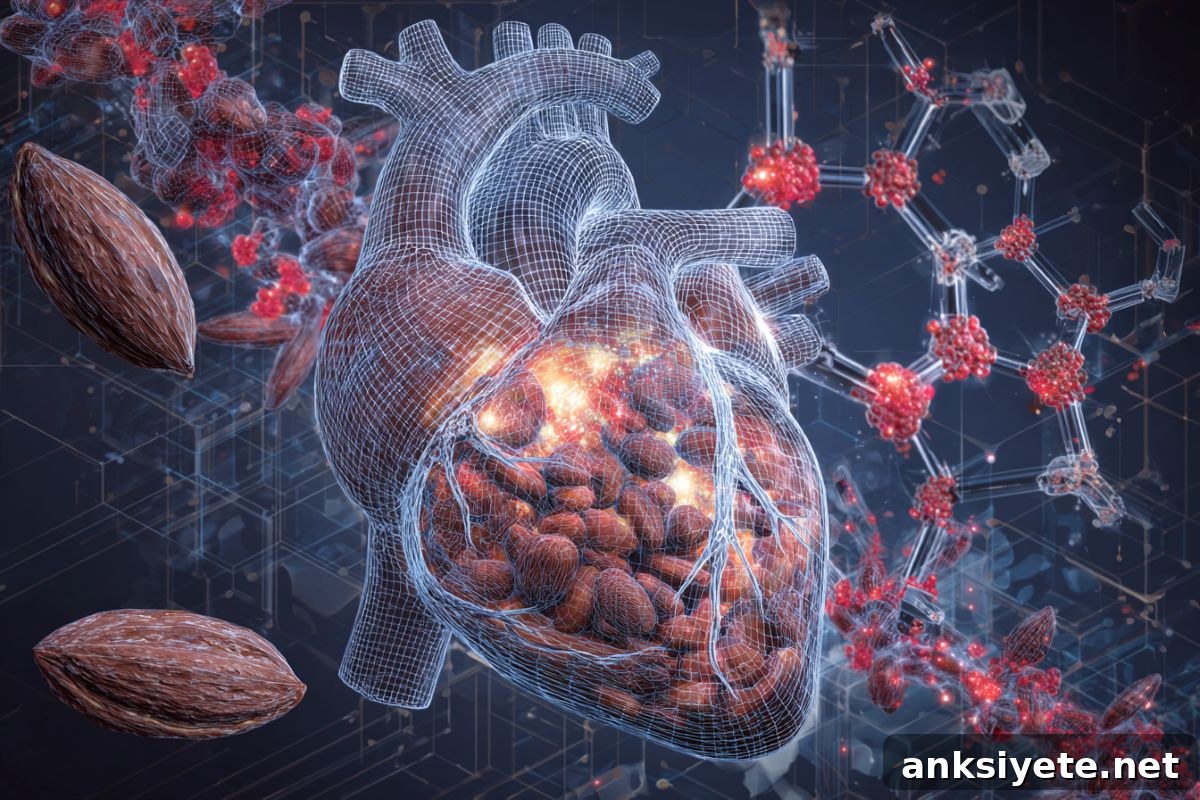
Summary: A large clinical trial found that daily cocoa flavanol supplementation reduced an important marker of age-related inflammation, offering a possible explanation for observed heart-protective effects. Analysis of blood samples from trial participants showed a consistent lowering of high-sensitivity C‑reactive protein (hsCRP), a biomarker linked to cardiovascular risk, among those taking cocoa extract.
Other inflammation markers showed little change overall, although a modest rise in the immune-related cytokine interferon‑γ (IFN‑γ) was observed and warrants further study. These results position cocoa flavanols as a promising nutritional approach to temper age-related inflammation and reinforce the value of plant-based foods in healthy aging.
Key Facts
- hsCRP Reduction: Cocoa extract lowered this key inflammatory marker by about 8.4% per year compared with placebo.
- Cardiovascular Benefit: Findings are consistent with the larger COSMOS trial, which reported reduced cardiovascular mortality among participants taking cocoa extract.
- Dietary Insight: Flavanol-rich foods such as cocoa, berries, grapes, and tea may support healthier aging by modulating inflammation.
Source: Mass General Brigham (Mass General)
Can cocoa flavanol supplements reduce inflammation and help prevent age-related chronic disease?
Researchers from the COcoa Supplement and Multivitamin Outcomes Study (COSMOS), led by investigators at Mass General Brigham, measured changes in several inflammation biomarkers in older adults who took a daily cocoa extract supplement for up to two years. The ancillary study looked at five commonly used markers of “inflammaging” to evaluate whether long-term supplementation alters the chronic, low-grade inflammation that often accompanies aging.
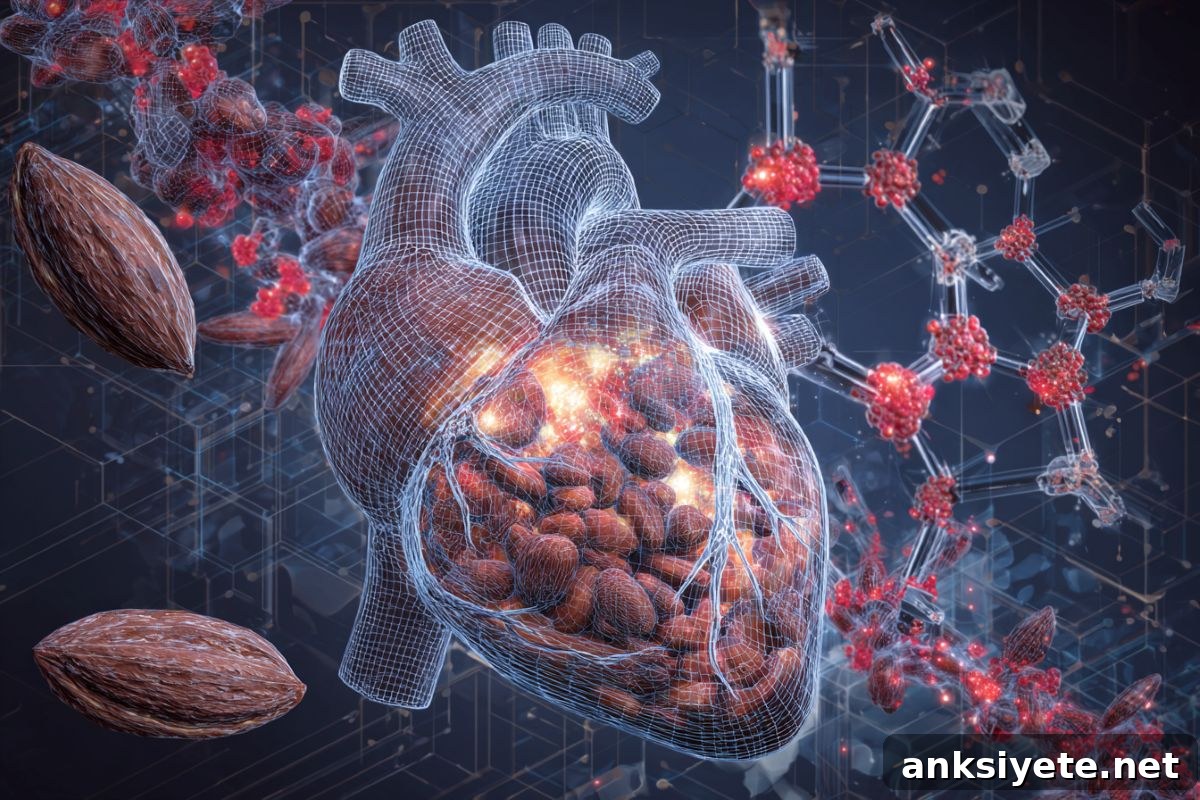
Cocoa flavanols are bioactive compounds found in cocoa beans and in many plant-based foods such as berries, grapes, and tea. Prior smaller studies suggested flavanols can lower inflammatory markers; this study aimed to confirm those effects in a large, randomized clinical trial in older adults.
The COSMOS trial, conducted from 2014 to 2020 and coordinated in part by Brigham and Women’s Hospital, enrolled 21,442 participants aged 60 and older (women ≥65, men ≥60). The broader trial previously reported a 27% reduction in cardiovascular disease mortality among those assigned to cocoa extract. For this biomarker analysis, investigators selected a random subset of 598 participants with blood samples taken at baseline, one year, and two years.
The study measured three pro-inflammatory proteins (hsCRP, interleukin‑6 [IL‑6], and tumor necrosis factor‑α [TNF‑α]), one anti-inflammatory cytokine (interleukin‑10 [IL‑10]), and one immune-modulating cytokine (interferon‑γ [IFN‑γ]). Compared with placebo, cocoa extract supplementation produced a statistically significant reduction in hsCRP—an annual decrease of approximately 8.4% relative to baseline. Other biomarkers were largely unchanged, though IFN‑γ rose modestly (about 6.8% annually) among those taking cocoa extract.
“Our interest in cocoa extract and inflammaging grew from observing cocoa-related reductions in cardiovascular disease in the larger trial,” said corresponding author Howard Sesso, ScD, MPH. “Aging-related inflammation contributes to arterial stiffening and cardiovascular harm, so demonstrating that cocoa extract can lower hsCRP over multiple years supports a plausible biological mechanism for its cardioprotective benefits.”
Senior author Yanbin Dong, MD/PhD, highlighted the unexpected IFN‑γ increase: “The modest rise in this immune-related cytokine raises new questions. It’s important to explore whether this reflects a beneficial immune response or a neutral effect, and what it means in the context of overall inflammation and aging.”
Sex-specific findings were limited but noted: a small reduction in IL‑6 appeared in female but not male participants, suggesting potential differences that require further study. Overall, the results indicate that cocoa flavanols can selectively reduce hsCRP, which may be one way they lower cardiovascular risk.
Researchers emphasize that cocoa extract supplements are not a substitute for a healthy lifestyle. Nonetheless, these findings underscore the potential role of plant-derived flavanols and a diverse, colorful, plant-forward diet in supporting cardiovascular health and healthy aging.
Authorship: Among contributors were Howard Sesso, Sidong Li, Rikuta Hamaya, Allison Clar, Pamela M. Rist, JoAnn E. Manson (Mass General Brigham), and Yanbin Dong, Haidong Zhu, and Ying Huang (Augusta University).
Disclosures: JoAnn Manson and Howard Sesso received investigator-initiated grants from Mars Edge (Mars Incorporated) to support infrastructure and donation of study pills and packaging, and Pfizer Consumer Healthcare (now Haleon) provided partial donation of study pills and packaging. Sesso also reported investigator-initiated grants from Pure Encapsulations, American Pistachio Growers, and Haleon, and honoraria or travel support from several organizations. No other authors reported conflicts related to this study.
Funding: This research was supported by the National Institutes of Health (HL157665). COSMOS received investigator-initiated support from Mars Edge and partial provision of study materials from Pfizer Consumer Healthcare (now Haleon). Additional NIH support included AG050657, AG071611, and EY025623. Neither company was involved in trial design, conduct, data analysis, or manuscript preparation.
About this supplementation and inflammation research news
Author: Alexandra Pantano
Source: Mass General Brigham (Mass General)
Contact: Alexandra Pantano – Mass General
Image: Image credited to Neuroscience News
Original Research: Open access. “Effects of Two-year Cocoa Extract Supplementation on Inflammaging Biomarkers in Older US Adults: Findings from the COSMOS Randomized Clinical Trial” by Howard Sesso et al., published in Age and Ageing.
Abstract
Objective: To evaluate the long-term effects of daily cocoa flavanol supplementation on biomarkers of inflammaging within the COSMOS randomized trial.
Methods: This ancillary analysis included a randomized, double-blind, placebo-controlled sample of 598 older adults from COSMOS. Participants received a cocoa extract supplement containing 500 mg cocoa flavanols per day (including 80 mg (−)-epicatechin). Researchers measured five serum biomarkers—hsCRP, IL‑6, TNF‑α, IL‑10, and IFN‑γ—at baseline, one year, and two years.
Results: The mean participant age was 70.0 ± 5.6 years, with 49.8% female. Compared with placebo, cocoa extract significantly reduced hsCRP with a between-group difference in annual percentage change of −8.4% (95% CI, −14.1% to −2.3%). Cocoa extract also modestly increased IFN‑γ (6.8% annual difference; 95% CI, 1.5% to 12.2%). Other inflammatory markers showed no significant treatment effects after adjustment.
Conclusion: Two years of cocoa extract supplementation lowered hsCRP, supporting a role for flavanols in modulating chronic, age-related inflammation and providing a plausible mechanism for observed reductions in cardiovascular mortality in the larger COSMOS trial. The biological significance of the observed IFN‑γ increase requires further investigation.