
Researchers at the University of British Columbia and the Vancouver Coastal Health Research Institute have identified how amyotrophic lateral sclerosis (ALS), commonly called Lou Gehrig’s disease, spreads between cells in the nervous system and demonstrated a strategy that could block that spread.
The study, led by Dr. Neil Cashman, UBC’s Canada Research Chair in Neurodegeneration and Protein Misfolding, provides a clearer molecular picture of how ALS progresses through the nervous system. By pinpointing the mechanism by which misfolded proteins move from one region to another, the team has identified a promising target for therapies that aim to halt the progressive neuronal damage characteristic of ALS.
Investigators found that wild-type (non-mutant) SOD1 (superoxide dismutase 1) can adopt a misfolded form and be transmitted between cells and across regions of the nervous system. This prion-like propagation of misfolded SOD1 offers a molecular explanation for how disease pathology spreads in ALS patients. Importantly, the researchers also demonstrated that spread of the misfolded protein can be blocked by antibodies specifically designed to bind regions of SOD1 that become exposed only when the protein misfolds. These antibodies prevented transfer of the misfolded protein in the experimental systems used, suggesting a potential avenue to arrest disease progression if misfolding of wild-type SOD1 is a driving cause of ALS.
Published in the Proceedings of the National Academy of Sciences, the work builds on earlier studies from the same laboratory showing that mutant SOD1 associated with familial ALS can induce misfolding of other SOD1 molecules in living cells. That earlier discovery supported the idea that a templated, prion-like misfolding process could underlie the accumulation of pathological protein aggregates in motor neurons. The current study extends this concept to non-mutant SOD1 and shows both exosome-dependent and exosome-independent routes of intercellular propagation.
The implications are twofold. First, identifying the mechanisms of intercellular transmission helps explain why ALS often begins focally and then advances to involve broader areas of the nervous system. Second, the demonstration that targeted antibodies can block transmission creates a rational basis for therapeutic development aimed at neutralizing misfolded SOD1 species and preventing their spread.
ALS is a progressive neurodegenerative disorder affecting motor neurons in the brain and spinal cord. As motor neurons degenerate, the brain loses the ability to initiate and control voluntary muscle movement, and patients may eventually become fully paralyzed. The disease places a heavy burden on patients, families and health systems, with roughly 140,000 new diagnoses worldwide each year.
Notes about this ALS and neurodegeneration research
Dr. Neil Cashman is Professor and Canada Research Chair in Neurodegeneration and Protein Misfolding at UBC and serves as Academic Director of the Vancouver Coastal Health ALS Centre. He is affiliated with the Brain Research Centre, a partnership between UBC and the Vancouver Coastal Health Research Institute.
Prion disease context
Prion diseases are a class of proteinopathies—disorders caused by misfolded proteins—that include human conditions such as Creutzfeldt-Jakob disease (CJD) and animal diseases like bovine spongiform encephalopathy (BSE, or mad cow disease), scrapie in sheep and goats, and chronic wasting disease (CWD) in deer and elk. The prion paradigm, in which a misfolded protein induces misfolding of its normal counterparts and spreads between cells, has become an important model for understanding the propagation of pathological protein species in other neurodegenerative diseases, including some forms of ALS.
Contact: Hilary Thomson – University of British Columbia
Source: University of British Columbia press release
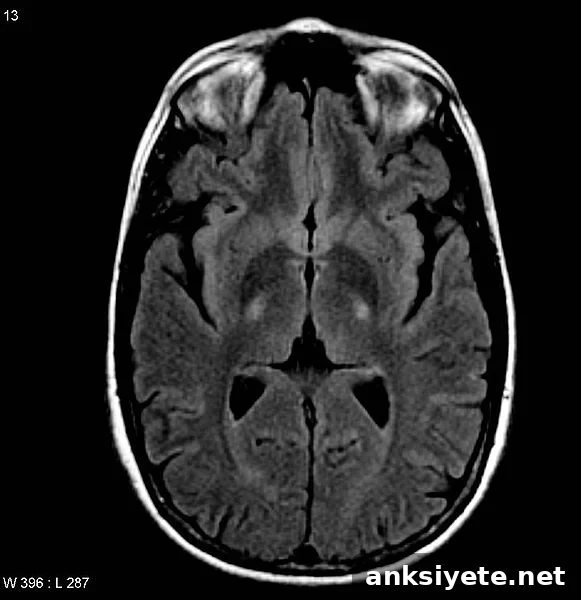
Image Source: The image is credited to Frank Gaillard and is licensed as Creative Commons Attribution-Share Alike 3.0 Unported
Original Research: Full open access research for “Intercellular propagated misfolding of wild-type Cu/Zn superoxide dismutase occurs via exosome-dependent and -independent mechanisms” by Leslie I. Grad, Justin J. Yerbury, Bradley J. Turner, William C. Guest, Edward Pokrishevsky, Megan A. O’Neill, Anat Yanai, Judith M. Silverman, Rafaa Zeineddine, Lisa Corcoran, Janet R. Kumita, Leila M. Luheshi, Masoud Yousefi, Bradley M. Coleman, Andrew F. Hill, Steven S. Plotkin, Ian R. Mackenzie, and Neil R. Cashman in PNAS. Published online February 18 2014 doi:10.1073/pnas.1312245111
#neurology, #ALS, #openaccess, #openscience