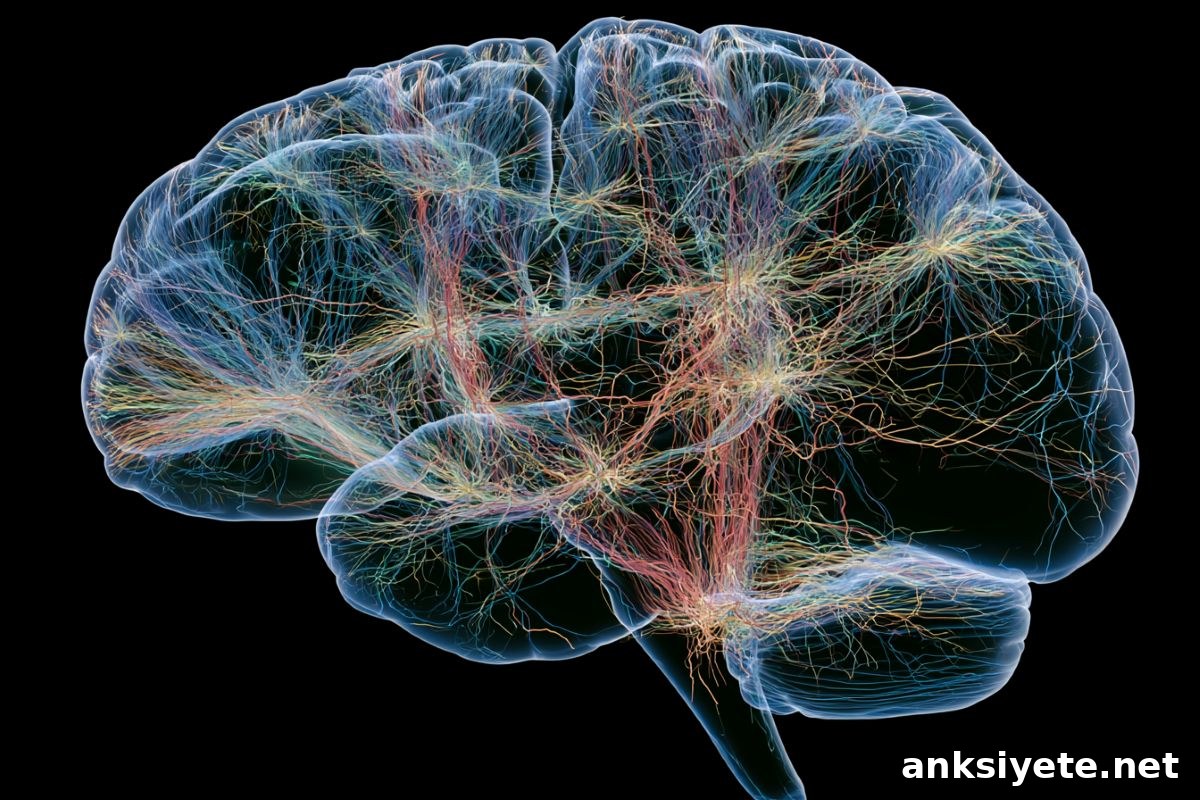
Summary: A new Cambridge study finds that drugs targeting the glucose-dependent insulinotropic polypeptide receptor (GIPR) act through two anatomically distinct brain regions. Activating GIPR in the brainstem directly suppresses appetite, while blocking GIPR in the hypothalamus removes an inhibitory “brake” that limits the brainstem’s sensitivity to satiety signals.
By releasing this hypothalamic brake, GIPR antagonists markedly enhance the weight-loss effects of GLP-1 receptor agonists such as semaglutide and emerging amylin receptor agents like cagrilintide. These mechanistic insights provide a clear framework for designing next-generation combination therapies for obesity.
Key Facts
- Anatomical circuit separation: GIPR agonists suppress appetite primarily via receptors in the brainstem, whereas GIPR antagonists produce their synergistic weight-loss effects by blocking receptors in the hypothalamus.
- Release of a hypothalamic brake: GIPR signaling in the hypothalamus acts as a regulatory brake that limits how strongly hindbrain satiety circuits respond. Antagonising hypothalamic GIPR releases that brake and increases sensitivity to fullness signals.
- Enhanced synergy with GLP-1 and amylin drugs: Removing hypothalamic GIPR activity potentiates the appetite-suppressing effects of GLP-1 receptor agonists and amylin receptor agonists, improving weight loss when used in combination.
- Mechanistic basis for combination therapies: The findings explain the clinical success of dual-action regimens that combine GIPR modulation with GLP-1 agonism and support rational combinations such as GIPR antagonism plus GLP-1 or amylin receptor drugs.
- Region-specific genetics: The Cambridge team demonstrated these distinctions using mice with targeted, region- and cell-type-specific deletion of Gipr in either the brainstem or the hypothalamus.
Source: University of Cambridge
Cambridge researchers clarify why both stimulating and blocking the same receptor can reduce weight — and how this knowledge can guide better obesity treatments.
Published in Nature Metabolism, the study in mice shows that the apparent paradox—both GIPR agonists and antagonists promoting weight loss—depends on which brain region is targeted. Stimulating GIPR in the brainstem suppresses food intake, while blocking GIPR in the hypothalamus removes an inhibitory influence that otherwise dampens satiety signaling.
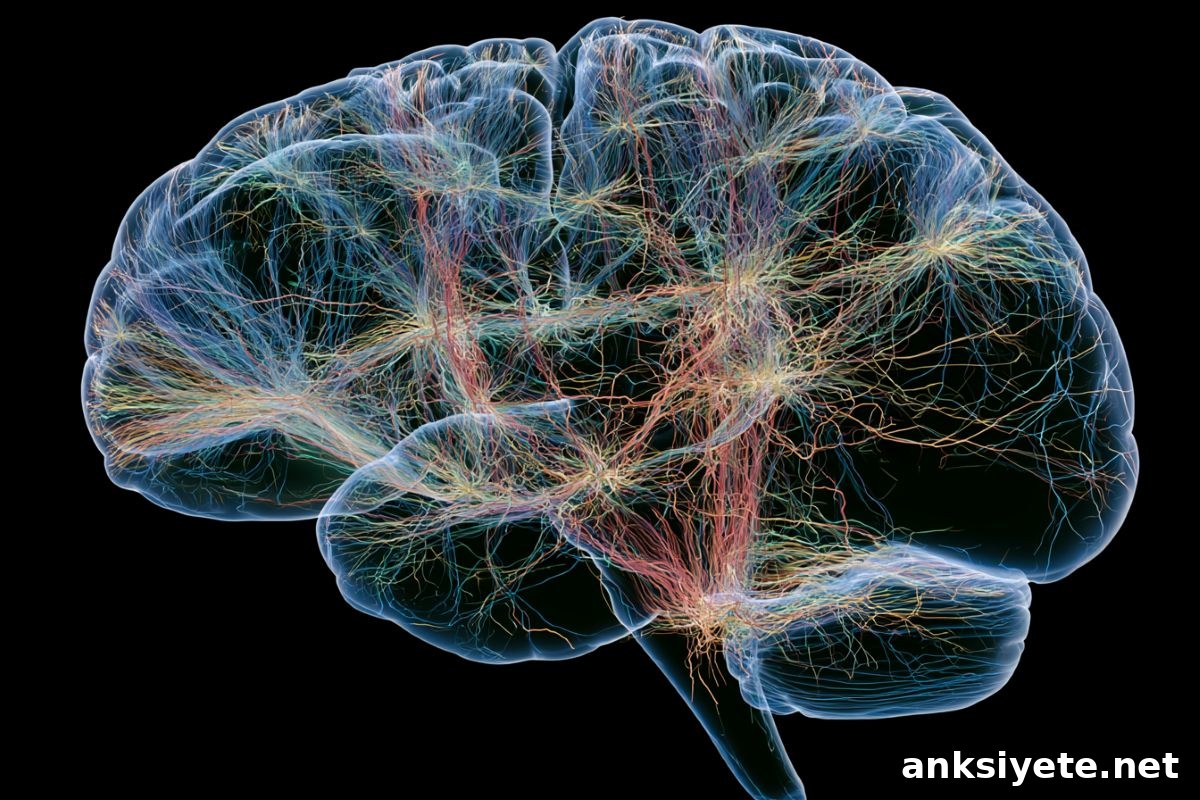
Obesity affects more than a billion people worldwide and raises the risk of type 2 diabetes, cardiovascular disease and cancer. While lifestyle measures remain essential, drugs that target central appetite circuits have recently transformed treatment options by reducing hunger and lowering body weight.
Many effective weight-loss medications work by activating the glucagon-like peptide-1 receptor (GLP-1R), reducing appetite and improving glucose control. Other therapies also involve the glucose-dependent insulinotropic polypeptide receptor (GIPR). Clinically, some leading drugs stimulate GIPR while others block it, raising the question: how can opposite actions at the same receptor both help people lose weight?
To answer this, researchers at the Institute of Metabolic Science used genetically engineered mice to remove GIPR from precise brain regions and tested responses to GIPR agonists, GIPR antagonists and GLP-1 drugs. One mouse group lacked GIPR in the brainstem area (area postrema and neighboring hindbrain), another group lacked GIPR in the hypothalamus, and a control group had intact GIPR throughout the brain.
The experiments measured food intake, body weight, fat mass, glucose regulation and neural activity after administering different drug combinations. Results showed that GIPR agonists suppress appetite mainly by acting in the brainstem, confirming that direct activation of hindbrain GIPR reduces feeding.
In contrast, GIPR antagonists exert their beneficial effects by targeting the hypothalamus. Blocking hypothalamic GIPR releases a tonic inhibitory influence that normally limits the brainstem’s responsiveness to fullness signals. Once this brake is removed, satiety pathways become more responsive to GLP-1 and amylin receptor agonists, producing greater weight loss than GLP-1 therapy alone.
These findings help explain why combination approaches that pair GLP-1 agonism with GIPR antagonism show strong effects in clinical trials and suggest how to optimize dosing and drug selection to maximize efficacy while reducing side effects such as gastrointestinal discomfort.
Dr Jo Lewis, the study’s first author at the Institute of Metabolic Science, said understanding the specific brain circuits engaged by these drugs can guide the development of safer, more effective obesity therapies that target central appetite regulation rather than only peripheral processes.
Funding: The study was supported by the Medical Research Council and Wellcome.
Key Questions Answered:
A: Traditional pharmacology predicts opposite effects from receptor activation versus blockade. The paradox arose because clinical data showed both GIPR agonists and antagonists can enhance weight loss when combined with GLP-1 therapies. The Cambridge study resolves this by demonstrating region-specific actions: agonists act in the hindbrain and antagonists act in the hypothalamus.
A: GIPR signaling in the hypothalamus functions as a gate on long-term energy balance. Blocking hypothalamic GIPR removes that gate, sensitizing brainstem satiety centers so they respond more strongly to signals generated by GLP-1 or amylin receptor agonists, thereby increasing appetite suppression and weight loss.
A: The work demonstrates that effective obesity treatments act on defined brain circuits. This insight provides a blueprint for rational combination therapies that could achieve greater weight loss at lower doses and with fewer side effects by targeting both hindbrain and hypothalamic mechanisms.
Editorial Notes:
- This article was edited by an editor at Neuroscience News.
- The full journal paper was reviewed in preparing this summary.
- Additional explanatory context was added by editorial staff for clarity.
About this neuropharmacology and weight loss research news
Author: Craig Brierley
Source: University of Cambridge
Contact: Craig Brierley – University of Cambridge
Image credit: Neuroscience News
Original Research: Open access. “Distinct brain regions mediate regulation of food intake in response to GIPR agonism and antagonism” by Jo Edward Lewis et al., Nature Metabolism. DOI: 10.1038/s42255-026-01575-z
Abstract
Distinct brain regions mediate regulation of food intake in response to GIPR agonism and antagonism
Dual agonists targeting GLP-1R and GIPR represent a major advance in treating type 2 diabetes and obesity. Yet both GIPR agonists and GIPR antagonists have been observed to increase weight loss when combined with GLP-1R agonism, an outcome that has been mechanistically unclear.
Using mice with Gipr selectively knocked out in the area postrema (AP) or the hypothalamus (GiprAP-KO and Giprhypo-KO), the researchers compared responses to GIPR agonists, GIPR antagonists and the GLP-1R agonist liraglutide. GiprAP-KO mice showed partial protection from diet-induced obesity, reduced appetite suppression by acyl-GIP and altered aversive responses. Liraglutide produced similar weight loss in GiprAP-KO and control mice, and adding a GIPR antagonist gave comparable additional weight loss in both groups.
By contrast, Giprhypo-KO mice retained normal appetite suppression by acyl-GIP but showed greater liraglutide-induced weight loss than controls. Deleting hypothalamic Gipr removed the synergistic effect of a GIPR antagonist combined with liraglutide and also enhanced sensitivity to cagrilintide-induced weight loss. These results indicate that the area postrema mediates appetite suppression from GIPR agonism, whereas hypothalamic GIP receptors underlie the ability of GIPR antagonism to amplify the effects of GLP-1R and amylin receptor agonists.